
Quick stats
| Family | Solanaceae |
|---|---|
| Typical harvest | 31.0 t/ha |
| Varieties | 48 |
| Pests & diseases | 112 |
| Seasons | 64 |
Crop profile
| Growth habit | annual |
|---|---|
| Days to harvest | 130 |
| Main uses | Fresh green and coloured fruits of hoho used for cooking, salads, stuffing and seasoning. |
| Pollination | self |
| Origin / where it grows | Capsicum / Bell pepper (hoho) is widely grown in irrigated and rainfed vegetable areas in East Africa, especially near towns and irrigation schemes. |
Weather, soil & spacing
| Best temperature | 18–28 °C |
|---|---|
| Rainfall | 700–1000 mm/yr |
| Altitude | 0–2200 m |
| Best pH | 6–6.8 |
| Soil type | Deep, well-drained loam or sandy loam with plenty of organic matter. Capsicum / Bell pepper (hoho) prefers fertile, well-structured soils. |
| Row spacing | 75 cm |
| Plant spacing | 40 cm |
| Planting depth | 1.5 cm |
| Seed rate | 0.4 kg/ha |
| Nursery days | 35 |
Simple notes for farmers
About the crop: This crop is annual. You plant, grow and harvest it in one main season, then plant again. You can normally start harvesting about 130 days after planting, depending on care and variety.
Main use: Farmers mostly grow this crop for fresh green and coloured fruits of hoho used for cooking, salads, stuffing and seasoning..
Pollination: This crop is mainly pollinated by self. Keeping flowers healthy and having insects like bees in the field helps improve fruit set and yields.
Where it grows: Capsicum / Bell pepper (hoho) is widely grown in irrigated and rainfed vegetable areas in East Africa, especially near towns and irrigation schemes. It is grouped under: Vegetables.
Best climate: This crop does well in warm areas where the temperature is usually between 18 and 28 degrees Celsius. It prefers places that receive around 700 to 1000 millimetres of rain in a year. It can grow from near sea level up to about 2200 metres above sea level.
Soil: The crop grows best in slightly acidic to near neutral soils, with a pH of about 6 to 6.8. It does well in deep, well-drained loam or sandy loam with plenty of organic matter. capsicum / bell pepper (hoho) prefers fertile, well-structured soils.. Good drainage is important, so avoid waterlogged spots.
Plant spacing: Plant in rows about 75 centimetres apart, and leave about 40 centimetres between plants in the row. This gives each plant enough space for roots and canopy to spread.
Planting depth: Dig planting holes or furrows about 1.5 centimetres deep so the roots sit firmly in the soil but are not buried too deep.
Seed or planting material: Use around 0.4 kilograms of seed or planting material per hectare. Spread or plant evenly so the field has a good stand without being overcrowded.
Nursery period: If you raise seedlings in a nursery, keep them there for about 35 days before transplanting to the main field, when they are strong and healthy.
Farmer guide (mwongozo wa mkulima)
Nutrient schedule (mbolea kwa hatua)
| # | Stage | DAP | Product | Rate | Targets (kg/ha) | Notes |
|---|---|---|---|---|---|---|
| 1 | Basal at transplanting | 0 | NPK 17-17-17 or 15-15-15 | 250 kg/ha | N: 42, P₂O₅: 42, K₂O: 42 | Band fertilizer 5–8 cm away from hoho seedlings and cover with soil. |
| 1 | Basal at transplanting | 0 | NPK 17-17-17 or 15-15-15 | 250 kg/ha | N: 42, P₂O₅: 42, K₂O: 42 | Band fertilizer 5–8 cm away from hoho seedlings and cover with soil. |
| 1 | Basal at transplanting | 0 | NPK 17-17-17 or 15-15-15 | 250 kg/ha | N: 42, P₂O₅: 42, K₂O: 42 | Band fertilizer 5–8 cm away from hoho seedlings and cover with soil. |
| 1 | Basal at transplanting | 0 | NPK 17-17-17 or 15-15-15 | 250 kg/ha | N: 42, P₂O₅: 42, K₂O: 42 | Band fertilizer 5–8 cm away from hoho seedlings and cover with soil. |
| 1 | Basal at transplanting | 0 | NPK 17-17-17 or 15-15-15 | 250 kg/ha | N: 42, P₂O₅: 42, K₂O: 42 | Band fertilizer 5–8 cm away from hoho seedlings and cover with soil. |
| 1 | Basal at transplanting | 0 | NPK 17-17-17 or 15-15-15 | 250 kg/ha | N: 42, P₂O₅: 42, K₂O: 42 | Band fertilizer 5–8 cm away from hoho seedlings and cover with soil. |
| 1 | Basal at transplanting | 0 | NPK 17-17-17 or 15-15-15 | 250 kg/ha | N: 42, P₂O₅: 42, K₂O: 42 | Band fertilizer 5–8 cm away from hoho seedlings and cover with soil. |
| 1 | Basal at transplanting | 0 | NPK 17-17-17 or 15-15-15 | 250 kg/ha | N: 42, P₂O₅: 42, K₂O: 42 | Band fertilizer 5–8 cm away from hoho seedlings and cover with soil. |
| 1 | Basal at transplanting | 0 | NPK 17-17-17 or 15-15-15 | 250 kg/ha | N: 42, P₂O₅: 42, K₂O: 42 | Band fertilizer 5–8 cm away from hoho seedlings and cover with soil. |
| 1 | Basal at transplanting | 0 | NPK 17-17-17 or 15-15-15 | 250 kg/ha | N: 42, P₂O₅: 42, K₂O: 42 | Band fertilizer 5–8 cm away from hoho seedlings and cover with soil. |
| 1 | Basal at transplanting | 0 | NPK 17-17-17 or 15-15-15 | 250 kg/ha | N: 42, P₂O₅: 42, K₂O: 42 | Band fertilizer 5–8 cm away from hoho seedlings and cover with soil. |
| 1 | Basal at transplanting | 0 | NPK 17-17-17 or 15-15-15 | 250 kg/ha | N: 42, P₂O₅: 42, K₂O: 42 | Band fertilizer 5–8 cm away from hoho seedlings and cover with soil. |
| 1 | Basal at transplanting | 0 | NPK 17-17-17 or 15-15-15 | 250 kg/ha | N: 42, P₂O₅: 42, K₂O: 42 | Band fertilizer 5–8 cm away from hoho seedlings and cover with soil. |
| 1 | Basal at transplanting | 0 | NPK 17-17-17 or 15-15-15 | 250 kg/ha | N: 42, P₂O₅: 42, K₂O: 42 | Band fertilizer 5–8 cm away from hoho seedlings and cover with soil. |
| 1 | Basal at transplanting | 0 | NPK 17-17-17 or 15-15-15 | 250 kg/ha | N: 42, P₂O₅: 42, K₂O: 42 | Band fertilizer 5–8 cm away from hoho seedlings and cover with soil. |
| 1 | Basal at transplanting | 0 | NPK 17-17-17 or 15-15-15 | 250 kg/ha | N: 42, P₂O₅: 42, K₂O: 42 | Band fertilizer 5–8 cm away from hoho seedlings and cover with soil. |
| 2 | Early topdress | 21 | CAN 26% N | 100 kg/ha | N: 26, P₂O₅: 0, K₂O: 0 | Apply between rows of hoho when soil is moist; irrigate or lightly incorporate. |
| 2 | Early topdress | 21 | CAN 26% N | 100 kg/ha | N: 26, P₂O₅: 0, K₂O: 0 | Apply between rows of hoho when soil is moist; irrigate or lightly incorporate. |
| 2 | Early topdress | 21 | CAN 26% N | 100 kg/ha | N: 26, P₂O₅: 0, K₂O: 0 | Apply between rows of hoho when soil is moist; irrigate or lightly incorporate. |
| 2 | Early topdress | 21 | CAN 26% N | 100 kg/ha | N: 26, P₂O₅: 0, K₂O: 0 | Apply between rows of hoho when soil is moist; irrigate or lightly incorporate. |
| 2 | Early topdress | 21 | CAN 26% N | 100 kg/ha | N: 26, P₂O₅: 0, K₂O: 0 | Apply between rows of hoho when soil is moist; irrigate or lightly incorporate. |
| 2 | Early topdress | 21 | CAN 26% N | 100 kg/ha | N: 26, P₂O₅: 0, K₂O: 0 | Apply between rows of hoho when soil is moist; irrigate or lightly incorporate. |
| 2 | Early topdress | 21 | CAN 26% N | 100 kg/ha | N: 26, P₂O₅: 0, K₂O: 0 | Apply between rows of hoho when soil is moist; irrigate or lightly incorporate. |
| 2 | Early topdress | 21 | CAN 26% N | 100 kg/ha | N: 26, P₂O₅: 0, K₂O: 0 | Apply between rows of hoho when soil is moist; irrigate or lightly incorporate. |
| 2 | Early topdress | 21 | CAN 26% N | 100 kg/ha | N: 26, P₂O₅: 0, K₂O: 0 | Apply between rows of hoho when soil is moist; irrigate or lightly incorporate. |
| 2 | Early topdress | 21 | CAN 26% N | 100 kg/ha | N: 26, P₂O₅: 0, K₂O: 0 | Apply between rows of hoho when soil is moist; irrigate or lightly incorporate. |
| 2 | Early topdress | 21 | CAN 26% N | 100 kg/ha | N: 26, P₂O₅: 0, K₂O: 0 | Apply between rows of hoho when soil is moist; irrigate or lightly incorporate. |
| 2 | Early topdress | 21 | CAN 26% N | 100 kg/ha | N: 26, P₂O₅: 0, K₂O: 0 | Apply between rows of hoho when soil is moist; irrigate or lightly incorporate. |
| 2 | Early topdress | 21 | CAN 26% N | 100 kg/ha | N: 26, P₂O₅: 0, K₂O: 0 | Apply between rows of hoho when soil is moist; irrigate or lightly incorporate. |
| 2 | Early topdress | 21 | CAN 26% N | 100 kg/ha | N: 26, P₂O₅: 0, K₂O: 0 | Apply between rows of hoho when soil is moist; irrigate or lightly incorporate. |
| 2 | Early topdress | 21 | CAN 26% N | 100 kg/ha | N: 26, P₂O₅: 0, K₂O: 0 | Apply between rows of hoho when soil is moist; irrigate or lightly incorporate. |
| 2 | Early topdress | 21 | CAN 26% N | 100 kg/ha | N: 26, P₂O₅: 0, K₂O: 0 | Apply between rows of hoho when soil is moist; irrigate or lightly incorporate. |
| 3 | Fruiting topdress (N + K) | 40 | NPK 12-6-24 or urea + SOP/MOP | 150 kg/ha | N: 18, P₂O₅: 9, K₂O: 36 | Supports fruit set and filling in Capsicum / Bell pepper (hoho); avoid too much late nitrogen. |
| 3 | Fruiting topdress (N + K) | 40 | NPK 12-6-24 or urea + SOP/MOP | 150 kg/ha | N: 18, P₂O₅: 9, K₂O: 36 | Supports fruit set and filling in Capsicum / Bell pepper (hoho); avoid too much late nitrogen. |
| 3 | Fruiting topdress (N + K) | 40 | NPK 12-6-24 or urea + SOP/MOP | 150 kg/ha | N: 18, P₂O₅: 9, K₂O: 36 | Supports fruit set and filling in Capsicum / Bell pepper (hoho); avoid too much late nitrogen. |
| 3 | Fruiting topdress (N + K) | 40 | NPK 12-6-24 or urea + SOP/MOP | 150 kg/ha | N: 18, P₂O₅: 9, K₂O: 36 | Supports fruit set and filling in Capsicum / Bell pepper (hoho); avoid too much late nitrogen. |
| 3 | Fruiting topdress (N + K) | 40 | NPK 12-6-24 or urea + SOP/MOP | 150 kg/ha | N: 18, P₂O₅: 9, K₂O: 36 | Supports fruit set and filling in Capsicum / Bell pepper (hoho); avoid too much late nitrogen. |
| 3 | Fruiting topdress (N + K) | 40 | NPK 12-6-24 or urea + SOP/MOP | 150 kg/ha | N: 18, P₂O₅: 9, K₂O: 36 | Supports fruit set and filling in Capsicum / Bell pepper (hoho); avoid too much late nitrogen. |
| 3 | Fruiting topdress (N + K) | 40 | NPK 12-6-24 or urea + SOP/MOP | 150 kg/ha | N: 18, P₂O₅: 9, K₂O: 36 | Supports fruit set and filling in Capsicum / Bell pepper (hoho); avoid too much late nitrogen. |
| 3 | Fruiting topdress (N + K) | 40 | NPK 12-6-24 or urea + SOP/MOP | 150 kg/ha | N: 18, P₂O₅: 9, K₂O: 36 | Supports fruit set and filling in Capsicum / Bell pepper (hoho); avoid too much late nitrogen. |
| 3 | Fruiting topdress (N + K) | 40 | NPK 12-6-24 or urea + SOP/MOP | 150 kg/ha | N: 18, P₂O₅: 9, K₂O: 36 | Supports fruit set and filling in Capsicum / Bell pepper (hoho); avoid too much late nitrogen. |
| 3 | Fruiting topdress (N + K) | 40 | NPK 12-6-24 or urea + SOP/MOP | 150 kg/ha | N: 18, P₂O₅: 9, K₂O: 36 | Supports fruit set and filling in Capsicum / Bell pepper (hoho); avoid too much late nitrogen. |
| 3 | Fruiting topdress (N + K) | 40 | NPK 12-6-24 or urea + SOP/MOP | 150 kg/ha | N: 18, P₂O₅: 9, K₂O: 36 | Supports fruit set and filling in Capsicum / Bell pepper (hoho); avoid too much late nitrogen. |
| 3 | Fruiting topdress (N + K) | 40 | NPK 12-6-24 or urea + SOP/MOP | 150 kg/ha | N: 18, P₂O₅: 9, K₂O: 36 | Supports fruit set and filling in Capsicum / Bell pepper (hoho); avoid too much late nitrogen. |
| 3 | Fruiting topdress (N + K) | 40 | NPK 12-6-24 or urea + SOP/MOP | 150 kg/ha | N: 18, P₂O₅: 9, K₂O: 36 | Supports fruit set and filling in Capsicum / Bell pepper (hoho); avoid too much late nitrogen. |
| 3 | Fruiting topdress (N + K) | 40 | NPK 12-6-24 or urea + SOP/MOP | 150 kg/ha | N: 18, P₂O₅: 9, K₂O: 36 | Supports fruit set and filling in Capsicum / Bell pepper (hoho); avoid too much late nitrogen. |
| 3 | Fruiting topdress (N + K) | 40 | NPK 12-6-24 or urea + SOP/MOP | 150 kg/ha | N: 18, P₂O₅: 9, K₂O: 36 | Supports fruit set and filling in Capsicum / Bell pepper (hoho); avoid too much late nitrogen. |
| 3 | Fruiting topdress (N + K) | 40 | NPK 12-6-24 or urea + SOP/MOP | 150 kg/ha | N: 18, P₂O₅: 9, K₂O: 36 | Supports fruit set and filling in Capsicum / Bell pepper (hoho); avoid too much late nitrogen. |
Nutrient requirements
| Nutrient | Stage | Amount | Unit |
|---|---|---|---|
| N | Basal | 50 | kg/ha |
| P₂O₅ | Basal | 60 | kg/ha |
| K₂O | Basal | 60 | kg/ha |
| N | Topdress_early | 40 | kg/ha |
| P₂O₅ | Topdress_early | 0 | kg/ha |
| K₂O | Topdress_early | 30 | kg/ha |
| N | Topdress_fruiting | 30 | kg/ha |
| P₂O₅ | Topdress_fruiting | 0 | kg/ha |
| K₂O | Topdress_fruiting | 60 | kg/ha |
| N | Basal | 50 | kg/ha |
| P₂O₅ | Basal | 60 | kg/ha |
| K₂O | Basal | 60 | kg/ha |
| N | Topdress_early | 40 | kg/ha |
| P₂O₅ | Topdress_early | 0 | kg/ha |
| K₂O | Topdress_early | 30 | kg/ha |
| N | Topdress_fruiting | 30 | kg/ha |
| P₂O₅ | Topdress_fruiting | 0 | kg/ha |
| K₂O | Topdress_fruiting | 60 | kg/ha |
| N | Basal | 50 | kg/ha |
| P₂O₅ | Basal | 60 | kg/ha |
| K₂O | Basal | 60 | kg/ha |
| N | Topdress_early | 40 | kg/ha |
| P₂O₅ | Topdress_early | 0 | kg/ha |
| K₂O | Topdress_early | 30 | kg/ha |
| N | Topdress_fruiting | 30 | kg/ha |
| P₂O₅ | Topdress_fruiting | 0 | kg/ha |
| K₂O | Topdress_fruiting | 60 | kg/ha |
| N | Basal | 50 | kg/ha |
| P₂O₅ | Basal | 60 | kg/ha |
| K₂O | Basal | 60 | kg/ha |
| N | Topdress_early | 40 | kg/ha |
| P₂O₅ | Topdress_early | 0 | kg/ha |
| K₂O | Topdress_early | 30 | kg/ha |
| N | Topdress_fruiting | 30 | kg/ha |
| P₂O₅ | Topdress_fruiting | 0 | kg/ha |
| K₂O | Topdress_fruiting | 60 | kg/ha |
| N | Basal | 50 | kg/ha |
| P₂O₅ | Basal | 60 | kg/ha |
| K₂O | Basal | 60 | kg/ha |
| N | Topdress_early | 40 | kg/ha |
| P₂O₅ | Topdress_early | 0 | kg/ha |
| K₂O | Topdress_early | 30 | kg/ha |
| N | Topdress_fruiting | 30 | kg/ha |
| P₂O₅ | Topdress_fruiting | 0 | kg/ha |
| K₂O | Topdress_fruiting | 60 | kg/ha |
| N | Basal | 50 | kg/ha |
| P₂O₅ | Basal | 60 | kg/ha |
| K₂O | Basal | 60 | kg/ha |
| N | Topdress_early | 40 | kg/ha |
| P₂O₅ | Topdress_early | 0 | kg/ha |
| K₂O | Topdress_early | 30 | kg/ha |
| N | Topdress_fruiting | 30 | kg/ha |
| P₂O₅ | Topdress_fruiting | 0 | kg/ha |
| K₂O | Topdress_fruiting | 60 | kg/ha |
| N | Basal | 50 | kg/ha |
| P₂O₅ | Basal | 60 | kg/ha |
| K₂O | Basal | 60 | kg/ha |
| N | Topdress_early | 40 | kg/ha |
| P₂O₅ | Topdress_early | 0 | kg/ha |
| K₂O | Topdress_early | 30 | kg/ha |
| N | Topdress_fruiting | 30 | kg/ha |
| P₂O₅ | Topdress_fruiting | 0 | kg/ha |
| K₂O | Topdress_fruiting | 60 | kg/ha |
| N | Basal | 50 | kg/ha |
| P₂O₅ | Basal | 60 | kg/ha |
| K₂O | Basal | 60 | kg/ha |
| N | Topdress_early | 40 | kg/ha |
| P₂O₅ | Topdress_early | 0 | kg/ha |
| K₂O | Topdress_early | 30 | kg/ha |
| N | Topdress_fruiting | 30 | kg/ha |
| P₂O₅ | Topdress_fruiting | 0 | kg/ha |
| K₂O | Topdress_fruiting | 60 | kg/ha |
| N | Basal | 50 | kg/ha |
| P₂O₅ | Basal | 60 | kg/ha |
| K₂O | Basal | 60 | kg/ha |
| N | Topdress_early | 40 | kg/ha |
| P₂O₅ | Topdress_early | 0 | kg/ha |
| K₂O | Topdress_early | 30 | kg/ha |
| N | Topdress_fruiting | 30 | kg/ha |
| P₂O₅ | Topdress_fruiting | 0 | kg/ha |
| K₂O | Topdress_fruiting | 60 | kg/ha |
| N | Basal | 50 | kg/ha |
| P₂O₅ | Basal | 60 | kg/ha |
| K₂O | Basal | 60 | kg/ha |
| N | Topdress_early | 40 | kg/ha |
| P₂O₅ | Topdress_early | 0 | kg/ha |
| K₂O | Topdress_early | 30 | kg/ha |
| N | Topdress_fruiting | 30 | kg/ha |
| P₂O₅ | Topdress_fruiting | 0 | kg/ha |
| K₂O | Topdress_fruiting | 60 | kg/ha |
| N | Basal | 50 | kg/ha |
| P₂O₅ | Basal | 60 | kg/ha |
| K₂O | Basal | 60 | kg/ha |
| N | Topdress_early | 40 | kg/ha |
| P₂O₅ | Topdress_early | 0 | kg/ha |
| K₂O | Topdress_early | 30 | kg/ha |
| N | Topdress_fruiting | 30 | kg/ha |
| P₂O₅ | Topdress_fruiting | 0 | kg/ha |
| K₂O | Topdress_fruiting | 60 | kg/ha |
| N | Basal | 50 | kg/ha |
| P₂O₅ | Basal | 60 | kg/ha |
| K₂O | Basal | 60 | kg/ha |
| N | Topdress_early | 40 | kg/ha |
| P₂O₅ | Topdress_early | 0 | kg/ha |
| K₂O | Topdress_early | 30 | kg/ha |
| N | Topdress_fruiting | 30 | kg/ha |
| P₂O₅ | Topdress_fruiting | 0 | kg/ha |
| K₂O | Topdress_fruiting | 60 | kg/ha |
| N | Basal | 50 | kg/ha |
| P₂O₅ | Basal | 60 | kg/ha |
| K₂O | Basal | 60 | kg/ha |
| N | Topdress_early | 40 | kg/ha |
| P₂O₅ | Topdress_early | 0 | kg/ha |
| K₂O | Topdress_early | 30 | kg/ha |
| N | Topdress_fruiting | 30 | kg/ha |
| P₂O₅ | Topdress_fruiting | 0 | kg/ha |
| K₂O | Topdress_fruiting | 60 | kg/ha |
| N | Basal | 50 | kg/ha |
| P₂O₅ | Basal | 60 | kg/ha |
| K₂O | Basal | 60 | kg/ha |
| N | Topdress_early | 40 | kg/ha |
| P₂O₅ | Topdress_early | 0 | kg/ha |
| K₂O | Topdress_early | 30 | kg/ha |
| N | Topdress_fruiting | 30 | kg/ha |
| P₂O₅ | Topdress_fruiting | 0 | kg/ha |
| K₂O | Topdress_fruiting | 60 | kg/ha |
| N | Basal | 50 | kg/ha |
| P₂O₅ | Basal | 60 | kg/ha |
| K₂O | Basal | 60 | kg/ha |
| N | Topdress_early | 40 | kg/ha |
| P₂O₅ | Topdress_early | 0 | kg/ha |
| K₂O | Topdress_early | 30 | kg/ha |
| N | Topdress_fruiting | 30 | kg/ha |
| P₂O₅ | Topdress_fruiting | 0 | kg/ha |
| K₂O | Topdress_fruiting | 60 | kg/ha |
| N | Basal | 50 | kg/ha |
| P₂O₅ | Basal | 60 | kg/ha |
| K₂O | Basal | 60 | kg/ha |
| N | Topdress_early | 40 | kg/ha |
| P₂O₅ | Topdress_early | 0 | kg/ha |
| K₂O | Topdress_early | 30 | kg/ha |
| N | Topdress_fruiting | 30 | kg/ha |
| P₂O₅ | Topdress_fruiting | 0 | kg/ha |
| K₂O | Topdress_fruiting | 60 | kg/ha |
Field images (picha shambani)
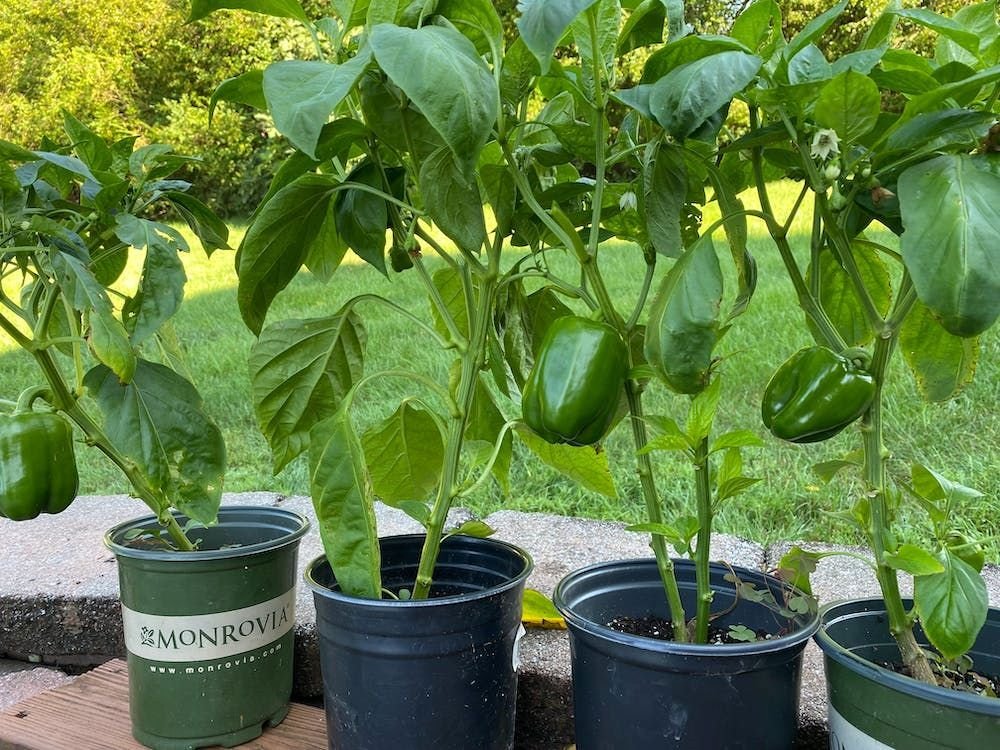
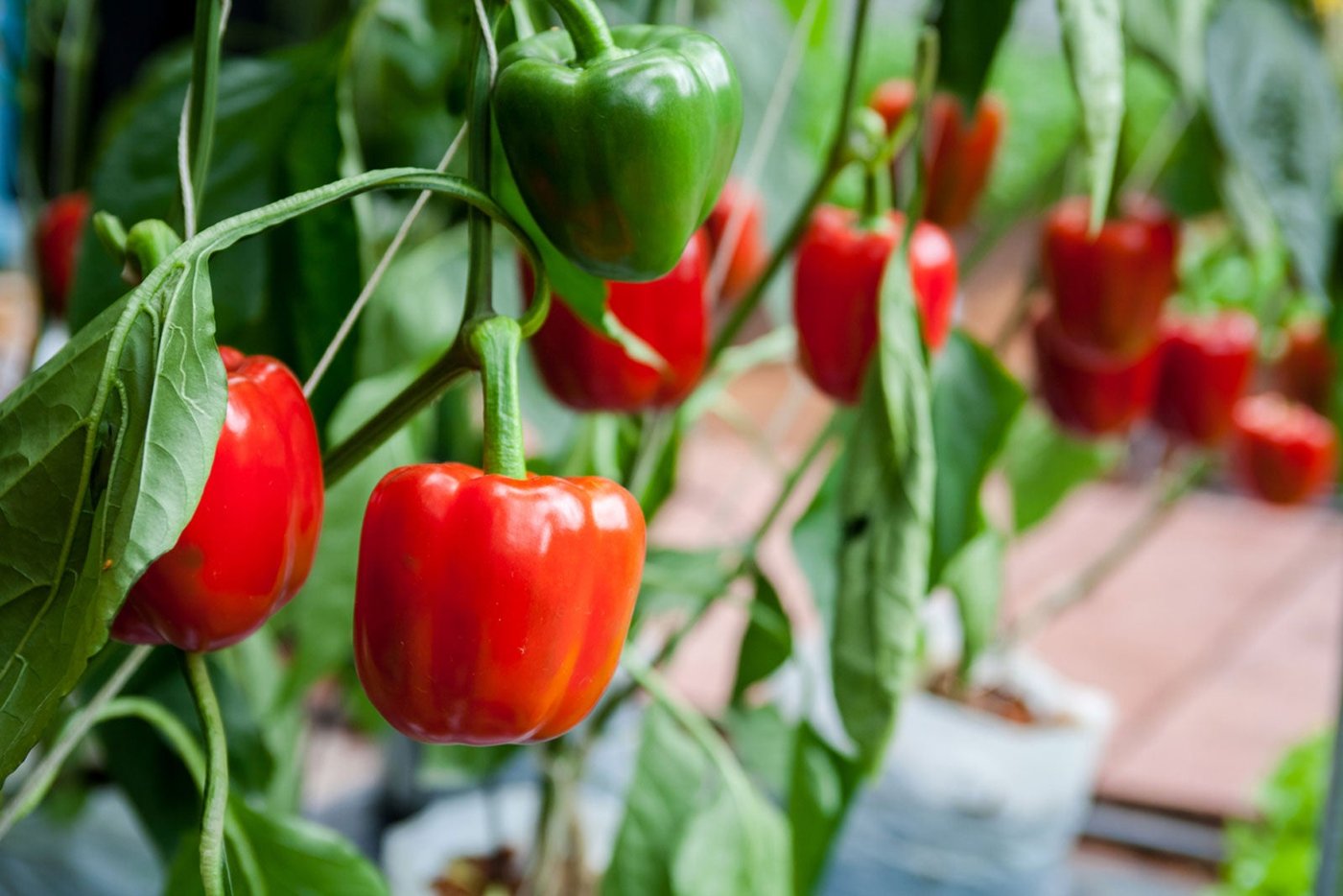
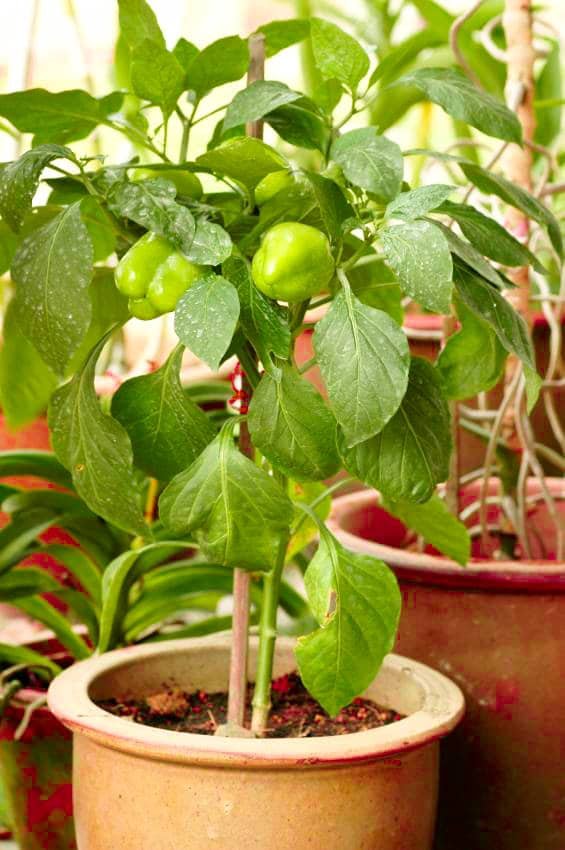
| Name | Country | Maturity | Traits |
|---|---|---|---|
| Hybrid blocky hoho (green/red) | KE | 120 | Large blocky fruits, thick walls, good yield and market value. |
| Coloured hoho hybrid (yellow/orange) | KE | 130 | Attractive coloured fruits, good for high-value markets. |
| Local hoho type | KE | 110 | Traditional taste, smaller fruits and lower yield than hybrids. |
| Hybrid blocky hoho (green/red) | KE | 120 | Large blocky fruits, thick walls, good yield and market value. |
| Coloured hoho hybrid (yellow/orange) | KE | 130 | Attractive coloured fruits, good for high-value markets. |
| Local hoho type | KE | 110 | Traditional taste, smaller fruits and lower yield than hybrids. |
| Hybrid blocky hoho (green/red) | KE | 120 | Large blocky fruits, thick walls, good yield and market value. |
| Coloured hoho hybrid (yellow/orange) | KE | 130 | Attractive coloured fruits, good for high-value markets. |
| Local hoho type | KE | 110 | Traditional taste, smaller fruits and lower yield than hybrids. |
| Hybrid blocky hoho (green/red) | KE | 120 | Large blocky fruits, thick walls, good yield and market value. |
| Coloured hoho hybrid (yellow/orange) | KE | 130 | Attractive coloured fruits, good for high-value markets. |
| Local hoho type | KE | 110 | Traditional taste, smaller fruits and lower yield than hybrids. |
| Hybrid blocky hoho (green/red) | KE | 120 | Large blocky fruits, thick walls, good yield and market value. |
| Coloured hoho hybrid (yellow/orange) | KE | 130 | Attractive coloured fruits, good for high-value markets. |
| Local hoho type | KE | 110 | Traditional taste, smaller fruits and lower yield than hybrids. |
| Hybrid blocky hoho (green/red) | KE | 120 | Large blocky fruits, thick walls, good yield and market value. |
| Coloured hoho hybrid (yellow/orange) | KE | 130 | Attractive coloured fruits, good for high-value markets. |
| Local hoho type | KE | 110 | Traditional taste, smaller fruits and lower yield than hybrids. |
| Hybrid blocky hoho (green/red) | KE | 120 | Large blocky fruits, thick walls, good yield and market value. |
| Coloured hoho hybrid (yellow/orange) | KE | 130 | Attractive coloured fruits, good for high-value markets. |
| Local hoho type | KE | 110 | Traditional taste, smaller fruits and lower yield than hybrids. |
| Hybrid blocky hoho (green/red) | KE | 120 | Large blocky fruits, thick walls, good yield and market value. |
| Coloured hoho hybrid (yellow/orange) | KE | 130 | Attractive coloured fruits, good for high-value markets. |
| Local hoho type | KE | 110 | Traditional taste, smaller fruits and lower yield than hybrids. |
| Hybrid blocky hoho (green/red) | KE | 120 | Large blocky fruits, thick walls, good yield and market value. |
| Coloured hoho hybrid (yellow/orange) | KE | 130 | Attractive coloured fruits, good for high-value markets. |
| Local hoho type | KE | 110 | Traditional taste, smaller fruits and lower yield than hybrids. |
| Hybrid blocky hoho (green/red) | KE | 120 | Large blocky fruits, thick walls, good yield and market value. |
| Coloured hoho hybrid (yellow/orange) | KE | 130 | Attractive coloured fruits, good for high-value markets. |
| Local hoho type | KE | 110 | Traditional taste, smaller fruits and lower yield than hybrids. |
| Hybrid blocky hoho (green/red) | KE | 120 | Large blocky fruits, thick walls, good yield and market value. |
| Coloured hoho hybrid (yellow/orange) | KE | 130 | Attractive coloured fruits, good for high-value markets. |
| Local hoho type | KE | 110 | Traditional taste, smaller fruits and lower yield than hybrids. |
| Hybrid blocky hoho (green/red) | KE | 120 | Large blocky fruits, thick walls, good yield and market value. |
| Coloured hoho hybrid (yellow/orange) | KE | 130 | Attractive coloured fruits, good for high-value markets. |
| Local hoho type | KE | 110 | Traditional taste, smaller fruits and lower yield than hybrids. |
| Hybrid blocky hoho (green/red) | KE | 120 | Large blocky fruits, thick walls, good yield and market value. |
| Coloured hoho hybrid (yellow/orange) | KE | 130 | Attractive coloured fruits, good for high-value markets. |
| Local hoho type | KE | 110 | Traditional taste, smaller fruits and lower yield than hybrids. |
| Hybrid blocky hoho (green/red) | KE | 120 | Large blocky fruits, thick walls, good yield and market value. |
| Coloured hoho hybrid (yellow/orange) | KE | 130 | Attractive coloured fruits, good for high-value markets. |
| Local hoho type | KE | 110 | Traditional taste, smaller fruits and lower yield than hybrids. |
| Hybrid blocky hoho (green/red) | KE | 120 | Large blocky fruits, thick walls, good yield and market value. |
| Coloured hoho hybrid (yellow/orange) | KE | 130 | Attractive coloured fruits, good for high-value markets. |
| Local hoho type | KE | 110 | Traditional taste, smaller fruits and lower yield than hybrids. |
| Hybrid blocky hoho (green/red) | KE | 120 | Large blocky fruits, thick walls, good yield and market value. |
| Coloured hoho hybrid (yellow/orange) | KE | 130 | Attractive coloured fruits, good for high-value markets. |
| Local hoho type | KE | 110 | Traditional taste, smaller fruits and lower yield than hybrids. |
| Stage | Product | Rate (kg/ha) | Notes |
|---|---|---|---|
| Basal | NPK 17-17-17 or 15-15-15 | 250 | Gives balanced nutrients for early hoho growth. |
| Topdress (N source) | CAN 26% N or urea | 100 | Apply once or twice during vegetative growth of Capsicum / Bell pepper (hoho). |
| Topdress (K source) | Sulfate of potash (SOP) or high-K NPK | 100 | Improves fruit size, firmness and colour of hoho. |
| Organic | Well-rotted farmyard manure or compost | 8000 | Apply before transplanting to improve soil structure, moisture holding and biological activity. |
| Basal | NPK 17-17-17 or 15-15-15 | 250 | Gives balanced nutrients for early hoho growth. |
| Topdress (N source) | CAN 26% N or urea | 100 | Apply once or twice during vegetative growth of Capsicum / Bell pepper (hoho). |
| Topdress (K source) | Sulfate of potash (SOP) or high-K NPK | 100 | Improves fruit size, firmness and colour of hoho. |
| Organic | Well-rotted farmyard manure or compost | 8000 | Apply before transplanting to improve soil structure, moisture holding and biological activity. |
| Basal | NPK 17-17-17 or 15-15-15 | 250 | Gives balanced nutrients for early hoho growth. |
| Topdress (N source) | CAN 26% N or urea | 100 | Apply once or twice during vegetative growth of Capsicum / Bell pepper (hoho). |
| Topdress (K source) | Sulfate of potash (SOP) or high-K NPK | 100 | Improves fruit size, firmness and colour of hoho. |
| Organic | Well-rotted farmyard manure or compost | 8000 | Apply before transplanting to improve soil structure, moisture holding and biological activity. |
| Basal | NPK 17-17-17 or 15-15-15 | 250 | Gives balanced nutrients for early hoho growth. |
| Topdress (N source) | CAN 26% N or urea | 100 | Apply once or twice during vegetative growth of Capsicum / Bell pepper (hoho). |
| Topdress (K source) | Sulfate of potash (SOP) or high-K NPK | 100 | Improves fruit size, firmness and colour of hoho. |
| Organic | Well-rotted farmyard manure or compost | 8000 | Apply before transplanting to improve soil structure, moisture holding and biological activity. |
| Basal | NPK 17-17-17 or 15-15-15 | 250 | Gives balanced nutrients for early hoho growth. |
| Topdress (N source) | CAN 26% N or urea | 100 | Apply once or twice during vegetative growth of Capsicum / Bell pepper (hoho). |
| Topdress (K source) | Sulfate of potash (SOP) or high-K NPK | 100 | Improves fruit size, firmness and colour of hoho. |
| Organic | Well-rotted farmyard manure or compost | 8000 | Apply before transplanting to improve soil structure, moisture holding and biological activity. |
| Basal | NPK 17-17-17 or 15-15-15 | 250 | Gives balanced nutrients for early hoho growth. |
| Topdress (N source) | CAN 26% N or urea | 100 | Apply once or twice during vegetative growth of Capsicum / Bell pepper (hoho). |
| Topdress (K source) | Sulfate of potash (SOP) or high-K NPK | 100 | Improves fruit size, firmness and colour of hoho. |
| Organic | Well-rotted farmyard manure or compost | 8000 | Apply before transplanting to improve soil structure, moisture holding and biological activity. |
| Basal | NPK 17-17-17 or 15-15-15 | 250 | Gives balanced nutrients for early hoho growth. |
| Topdress (N source) | CAN 26% N or urea | 100 | Apply once or twice during vegetative growth of Capsicum / Bell pepper (hoho). |
| Topdress (K source) | Sulfate of potash (SOP) or high-K NPK | 100 | Improves fruit size, firmness and colour of hoho. |
| Organic | Well-rotted farmyard manure or compost | 8000 | Apply before transplanting to improve soil structure, moisture holding and biological activity. |
| Basal | NPK 17-17-17 or 15-15-15 | 250 | Gives balanced nutrients for early hoho growth. |
| Topdress (N source) | CAN 26% N or urea | 100 | Apply once or twice during vegetative growth of Capsicum / Bell pepper (hoho). |
| Topdress (K source) | Sulfate of potash (SOP) or high-K NPK | 100 | Improves fruit size, firmness and colour of hoho. |
| Organic | Well-rotted farmyard manure or compost | 8000 | Apply before transplanting to improve soil structure, moisture holding and biological activity. |
| Basal | NPK 17-17-17 or 15-15-15 | 250 | Gives balanced nutrients for early hoho growth. |
| Topdress (N source) | CAN 26% N or urea | 100 | Apply once or twice during vegetative growth of Capsicum / Bell pepper (hoho). |
| Topdress (K source) | Sulfate of potash (SOP) or high-K NPK | 100 | Improves fruit size, firmness and colour of hoho. |
| Organic | Well-rotted farmyard manure or compost | 8000 | Apply before transplanting to improve soil structure, moisture holding and biological activity. |
| Basal | NPK 17-17-17 or 15-15-15 | 250 | Gives balanced nutrients for early hoho growth. |
| Topdress (N source) | CAN 26% N or urea | 100 | Apply once or twice during vegetative growth of Capsicum / Bell pepper (hoho). |
| Topdress (K source) | Sulfate of potash (SOP) or high-K NPK | 100 | Improves fruit size, firmness and colour of hoho. |
| Organic | Well-rotted farmyard manure or compost | 8000 | Apply before transplanting to improve soil structure, moisture holding and biological activity. |
| Basal | NPK 17-17-17 or 15-15-15 | 250 | Gives balanced nutrients for early hoho growth. |
| Topdress (N source) | CAN 26% N or urea | 100 | Apply once or twice during vegetative growth of Capsicum / Bell pepper (hoho). |
| Topdress (K source) | Sulfate of potash (SOP) or high-K NPK | 100 | Improves fruit size, firmness and colour of hoho. |
| Organic | Well-rotted farmyard manure or compost | 8000 | Apply before transplanting to improve soil structure, moisture holding and biological activity. |
| Basal | NPK 17-17-17 or 15-15-15 | 250 | Gives balanced nutrients for early hoho growth. |
| Topdress (N source) | CAN 26% N or urea | 100 | Apply once or twice during vegetative growth of Capsicum / Bell pepper (hoho). |
| Topdress (K source) | Sulfate of potash (SOP) or high-K NPK | 100 | Improves fruit size, firmness and colour of hoho. |
| Organic | Well-rotted farmyard manure or compost | 8000 | Apply before transplanting to improve soil structure, moisture holding and biological activity. |
| Basal | NPK 17-17-17 or 15-15-15 | 250 | Gives balanced nutrients for early hoho growth. |
| Topdress (N source) | CAN 26% N or urea | 100 | Apply once or twice during vegetative growth of Capsicum / Bell pepper (hoho). |
| Topdress (K source) | Sulfate of potash (SOP) or high-K NPK | 100 | Improves fruit size, firmness and colour of hoho. |
| Organic | Well-rotted farmyard manure or compost | 8000 | Apply before transplanting to improve soil structure, moisture holding and biological activity. |
| Basal | NPK 17-17-17 or 15-15-15 | 250 | Gives balanced nutrients for early hoho growth. |
| Topdress (N source) | CAN 26% N or urea | 100 | Apply once or twice during vegetative growth of Capsicum / Bell pepper (hoho). |
| Topdress (K source) | Sulfate of potash (SOP) or high-K NPK | 100 | Improves fruit size, firmness and colour of hoho. |
| Organic | Well-rotted farmyard manure or compost | 8000 | Apply before transplanting to improve soil structure, moisture holding and biological activity. |
| Basal | NPK 17-17-17 or 15-15-15 | 250 | Gives balanced nutrients for early hoho growth. |
| Topdress (N source) | CAN 26% N or urea | 100 | Apply once or twice during vegetative growth of Capsicum / Bell pepper (hoho). |
| Topdress (K source) | Sulfate of potash (SOP) or high-K NPK | 100 | Improves fruit size, firmness and colour of hoho. |
| Organic | Well-rotted farmyard manure or compost | 8000 | Apply before transplanting to improve soil structure, moisture holding and biological activity. |
| Basal | NPK 17-17-17 or 15-15-15 | 250 | Gives balanced nutrients for early hoho growth. |
| Topdress (N source) | CAN 26% N or urea | 100 | Apply once or twice during vegetative growth of Capsicum / Bell pepper (hoho). |
| Topdress (K source) | Sulfate of potash (SOP) or high-K NPK | 100 | Improves fruit size, firmness and colour of hoho. |
| Organic | Well-rotted farmyard manure or compost | 8000 | Apply before transplanting to improve soil structure, moisture holding and biological activity. |
| Name | Type | Symptoms | Management |
|---|---|---|---|
| Aphids | pest | Clusters of small soft-bodied insects on hoho shoots and leaf undersides, curled leaves, sticky honeydew and sooty mould... | Encourage natural enemies, remove heavily infested shoots and use selective insecticides or biopesticides when populatio... |
| Whiteflies | pest | Small white insects flying up when hoho plants are disturbed, sticky honeydew, yellowing leaves and virus transmission. | Use yellow sticky traps, remove severely affected plants, and apply selective products when necessary. |
| Thrips | pest | Silvery streaks and small brown spots on hoho leaves and fruits, distorted growing tips and scarred fruits. | Reduce weeds, use blue or yellow sticky traps and apply targeted insecticides/biopesticides based on scouting. |
| Fruit borer / bollworm | pest | Holes in hoho fruits, with caterpillars and droppings inside; fruits rot and drop. | Collect and destroy infested fruits, use pheromone traps where available and apply recommended insecticides early. |
| Bacterial leaf spot | disease | Small water-soaked spots on hoho leaves and fruits that enlarge and turn dark, sometimes cracking. | Use clean seed, avoid working in fields when wet, rotate crops and use copper-based protectants where pressure is high. |
| Powdery and downy mildews | disease | White powdery growth or yellow patches on leaves of hoho, leading to leaf drop and weak plants. | Keep canopies open, avoid overhead irrigation in the evening and apply appropriate fungicides when needed. |
| Viral diseases (mosaic, leaf curl) | disease | Mottled, curled and twisted leaves, stunting and poor fruiting in hoho. | Use healthy seed/seedlings, control aphids and whiteflies and rogue out severely affected plants early. |
| Aphids | pest | Clusters of small soft-bodied insects on hoho shoots and leaf undersides, curled leaves, sticky honeydew and sooty mould... | Encourage natural enemies, remove heavily infested shoots and use selective insecticides or biopesticides when populatio... |
| Whiteflies | pest | Small white insects flying up when hoho plants are disturbed, sticky honeydew, yellowing leaves and virus transmission. | Use yellow sticky traps, remove severely affected plants, and apply selective products when necessary. |
| Thrips | pest | Silvery streaks and small brown spots on hoho leaves and fruits, distorted growing tips and scarred fruits. | Reduce weeds, use blue or yellow sticky traps and apply targeted insecticides/biopesticides based on scouting. |
| Fruit borer / bollworm | pest | Holes in hoho fruits, with caterpillars and droppings inside; fruits rot and drop. | Collect and destroy infested fruits, use pheromone traps where available and apply recommended insecticides early. |
| Bacterial leaf spot | disease | Small water-soaked spots on hoho leaves and fruits that enlarge and turn dark, sometimes cracking. | Use clean seed, avoid working in fields when wet, rotate crops and use copper-based protectants where pressure is high. |
| Powdery and downy mildews | disease | White powdery growth or yellow patches on leaves of hoho, leading to leaf drop and weak plants. | Keep canopies open, avoid overhead irrigation in the evening and apply appropriate fungicides when needed. |
| Viral diseases (mosaic, leaf curl) | disease | Mottled, curled and twisted leaves, stunting and poor fruiting in hoho. | Use healthy seed/seedlings, control aphids and whiteflies and rogue out severely affected plants early. |
| Aphids | pest | Clusters of small soft-bodied insects on hoho shoots and leaf undersides, curled leaves, sticky honeydew and sooty mould... | Encourage natural enemies, remove heavily infested shoots and use selective insecticides or biopesticides when populatio... |
| Whiteflies | pest | Small white insects flying up when hoho plants are disturbed, sticky honeydew, yellowing leaves and virus transmission. | Use yellow sticky traps, remove severely affected plants, and apply selective products when necessary. |
| Thrips | pest | Silvery streaks and small brown spots on hoho leaves and fruits, distorted growing tips and scarred fruits. | Reduce weeds, use blue or yellow sticky traps and apply targeted insecticides/biopesticides based on scouting. |
| Fruit borer / bollworm | pest | Holes in hoho fruits, with caterpillars and droppings inside; fruits rot and drop. | Collect and destroy infested fruits, use pheromone traps where available and apply recommended insecticides early. |
| Bacterial leaf spot | disease | Small water-soaked spots on hoho leaves and fruits that enlarge and turn dark, sometimes cracking. | Use clean seed, avoid working in fields when wet, rotate crops and use copper-based protectants where pressure is high. |
| Powdery and downy mildews | disease | White powdery growth or yellow patches on leaves of hoho, leading to leaf drop and weak plants. | Keep canopies open, avoid overhead irrigation in the evening and apply appropriate fungicides when needed. |
| Viral diseases (mosaic, leaf curl) | disease | Mottled, curled and twisted leaves, stunting and poor fruiting in hoho. | Use healthy seed/seedlings, control aphids and whiteflies and rogue out severely affected plants early. |
| Aphids | pest | Clusters of small soft-bodied insects on hoho shoots and leaf undersides, curled leaves, sticky honeydew and sooty mould... | Encourage natural enemies, remove heavily infested shoots and use selective insecticides or biopesticides when populatio... |
| Whiteflies | pest | Small white insects flying up when hoho plants are disturbed, sticky honeydew, yellowing leaves and virus transmission. | Use yellow sticky traps, remove severely affected plants, and apply selective products when necessary. |
| Thrips | pest | Silvery streaks and small brown spots on hoho leaves and fruits, distorted growing tips and scarred fruits. | Reduce weeds, use blue or yellow sticky traps and apply targeted insecticides/biopesticides based on scouting. |
| Fruit borer / bollworm | pest | Holes in hoho fruits, with caterpillars and droppings inside; fruits rot and drop. | Collect and destroy infested fruits, use pheromone traps where available and apply recommended insecticides early. |
| Bacterial leaf spot | disease | Small water-soaked spots on hoho leaves and fruits that enlarge and turn dark, sometimes cracking. | Use clean seed, avoid working in fields when wet, rotate crops and use copper-based protectants where pressure is high. |
| Powdery and downy mildews | disease | White powdery growth or yellow patches on leaves of hoho, leading to leaf drop and weak plants. | Keep canopies open, avoid overhead irrigation in the evening and apply appropriate fungicides when needed. |
| Viral diseases (mosaic, leaf curl) | disease | Mottled, curled and twisted leaves, stunting and poor fruiting in hoho. | Use healthy seed/seedlings, control aphids and whiteflies and rogue out severely affected plants early. |
| Aphids | pest | Clusters of small soft-bodied insects on hoho shoots and leaf undersides, curled leaves, sticky honeydew and sooty mould... | Encourage natural enemies, remove heavily infested shoots and use selective insecticides or biopesticides when populatio... |
| Whiteflies | pest | Small white insects flying up when hoho plants are disturbed, sticky honeydew, yellowing leaves and virus transmission. | Use yellow sticky traps, remove severely affected plants, and apply selective products when necessary. |
| Thrips | pest | Silvery streaks and small brown spots on hoho leaves and fruits, distorted growing tips and scarred fruits. | Reduce weeds, use blue or yellow sticky traps and apply targeted insecticides/biopesticides based on scouting. |
| Fruit borer / bollworm | pest | Holes in hoho fruits, with caterpillars and droppings inside; fruits rot and drop. | Collect and destroy infested fruits, use pheromone traps where available and apply recommended insecticides early. |
| Bacterial leaf spot | disease | Small water-soaked spots on hoho leaves and fruits that enlarge and turn dark, sometimes cracking. | Use clean seed, avoid working in fields when wet, rotate crops and use copper-based protectants where pressure is high. |
| Powdery and downy mildews | disease | White powdery growth or yellow patches on leaves of hoho, leading to leaf drop and weak plants. | Keep canopies open, avoid overhead irrigation in the evening and apply appropriate fungicides when needed. |
| Viral diseases (mosaic, leaf curl) | disease | Mottled, curled and twisted leaves, stunting and poor fruiting in hoho. | Use healthy seed/seedlings, control aphids and whiteflies and rogue out severely affected plants early. |
| Aphids | pest | Clusters of small soft-bodied insects on hoho shoots and leaf undersides, curled leaves, sticky honeydew and sooty mould... | Encourage natural enemies, remove heavily infested shoots and use selective insecticides or biopesticides when populatio... |
| Whiteflies | pest | Small white insects flying up when hoho plants are disturbed, sticky honeydew, yellowing leaves and virus transmission. | Use yellow sticky traps, remove severely affected plants, and apply selective products when necessary. |
| Thrips | pest | Silvery streaks and small brown spots on hoho leaves and fruits, distorted growing tips and scarred fruits. | Reduce weeds, use blue or yellow sticky traps and apply targeted insecticides/biopesticides based on scouting. |
| Fruit borer / bollworm | pest | Holes in hoho fruits, with caterpillars and droppings inside; fruits rot and drop. | Collect and destroy infested fruits, use pheromone traps where available and apply recommended insecticides early. |
| Bacterial leaf spot | disease | Small water-soaked spots on hoho leaves and fruits that enlarge and turn dark, sometimes cracking. | Use clean seed, avoid working in fields when wet, rotate crops and use copper-based protectants where pressure is high. |
| Powdery and downy mildews | disease | White powdery growth or yellow patches on leaves of hoho, leading to leaf drop and weak plants. | Keep canopies open, avoid overhead irrigation in the evening and apply appropriate fungicides when needed. |
| Viral diseases (mosaic, leaf curl) | disease | Mottled, curled and twisted leaves, stunting and poor fruiting in hoho. | Use healthy seed/seedlings, control aphids and whiteflies and rogue out severely affected plants early. |
| Aphids | pest | Clusters of small soft-bodied insects on hoho shoots and leaf undersides, curled leaves, sticky honeydew and sooty mould... | Encourage natural enemies, remove heavily infested shoots and use selective insecticides or biopesticides when populatio... |
| Whiteflies | pest | Small white insects flying up when hoho plants are disturbed, sticky honeydew, yellowing leaves and virus transmission. | Use yellow sticky traps, remove severely affected plants, and apply selective products when necessary. |
| Thrips | pest | Silvery streaks and small brown spots on hoho leaves and fruits, distorted growing tips and scarred fruits. | Reduce weeds, use blue or yellow sticky traps and apply targeted insecticides/biopesticides based on scouting. |
| Fruit borer / bollworm | pest | Holes in hoho fruits, with caterpillars and droppings inside; fruits rot and drop. | Collect and destroy infested fruits, use pheromone traps where available and apply recommended insecticides early. |
| Bacterial leaf spot | disease | Small water-soaked spots on hoho leaves and fruits that enlarge and turn dark, sometimes cracking. | Use clean seed, avoid working in fields when wet, rotate crops and use copper-based protectants where pressure is high. |
| Powdery and downy mildews | disease | White powdery growth or yellow patches on leaves of hoho, leading to leaf drop and weak plants. | Keep canopies open, avoid overhead irrigation in the evening and apply appropriate fungicides when needed. |
| Viral diseases (mosaic, leaf curl) | disease | Mottled, curled and twisted leaves, stunting and poor fruiting in hoho. | Use healthy seed/seedlings, control aphids and whiteflies and rogue out severely affected plants early. |
| Aphids | pest | Clusters of small soft-bodied insects on hoho shoots and leaf undersides, curled leaves, sticky honeydew and sooty mould... | Encourage natural enemies, remove heavily infested shoots and use selective insecticides or biopesticides when populatio... |
| Whiteflies | pest | Small white insects flying up when hoho plants are disturbed, sticky honeydew, yellowing leaves and virus transmission. | Use yellow sticky traps, remove severely affected plants, and apply selective products when necessary. |
| Thrips | pest | Silvery streaks and small brown spots on hoho leaves and fruits, distorted growing tips and scarred fruits. | Reduce weeds, use blue or yellow sticky traps and apply targeted insecticides/biopesticides based on scouting. |
| Fruit borer / bollworm | pest | Holes in hoho fruits, with caterpillars and droppings inside; fruits rot and drop. | Collect and destroy infested fruits, use pheromone traps where available and apply recommended insecticides early. |
| Bacterial leaf spot | disease | Small water-soaked spots on hoho leaves and fruits that enlarge and turn dark, sometimes cracking. | Use clean seed, avoid working in fields when wet, rotate crops and use copper-based protectants where pressure is high. |
| Powdery and downy mildews | disease | White powdery growth or yellow patches on leaves of hoho, leading to leaf drop and weak plants. | Keep canopies open, avoid overhead irrigation in the evening and apply appropriate fungicides when needed. |
| Viral diseases (mosaic, leaf curl) | disease | Mottled, curled and twisted leaves, stunting and poor fruiting in hoho. | Use healthy seed/seedlings, control aphids and whiteflies and rogue out severely affected plants early. |
| Aphids | pest | Clusters of small soft-bodied insects on hoho shoots and leaf undersides, curled leaves, sticky honeydew and sooty mould... | Encourage natural enemies, remove heavily infested shoots and use selective insecticides or biopesticides when populatio... |
| Whiteflies | pest | Small white insects flying up when hoho plants are disturbed, sticky honeydew, yellowing leaves and virus transmission. | Use yellow sticky traps, remove severely affected plants, and apply selective products when necessary. |
| Thrips | pest | Silvery streaks and small brown spots on hoho leaves and fruits, distorted growing tips and scarred fruits. | Reduce weeds, use blue or yellow sticky traps and apply targeted insecticides/biopesticides based on scouting. |
| Fruit borer / bollworm | pest | Holes in hoho fruits, with caterpillars and droppings inside; fruits rot and drop. | Collect and destroy infested fruits, use pheromone traps where available and apply recommended insecticides early. |
| Bacterial leaf spot | disease | Small water-soaked spots on hoho leaves and fruits that enlarge and turn dark, sometimes cracking. | Use clean seed, avoid working in fields when wet, rotate crops and use copper-based protectants where pressure is high. |
| Powdery and downy mildews | disease | White powdery growth or yellow patches on leaves of hoho, leading to leaf drop and weak plants. | Keep canopies open, avoid overhead irrigation in the evening and apply appropriate fungicides when needed. |
| Viral diseases (mosaic, leaf curl) | disease | Mottled, curled and twisted leaves, stunting and poor fruiting in hoho. | Use healthy seed/seedlings, control aphids and whiteflies and rogue out severely affected plants early. |
| Aphids | pest | Clusters of small soft-bodied insects on hoho shoots and leaf undersides, curled leaves, sticky honeydew and sooty mould... | Encourage natural enemies, remove heavily infested shoots and use selective insecticides or biopesticides when populatio... |
| Whiteflies | pest | Small white insects flying up when hoho plants are disturbed, sticky honeydew, yellowing leaves and virus transmission. | Use yellow sticky traps, remove severely affected plants, and apply selective products when necessary. |
| Thrips | pest | Silvery streaks and small brown spots on hoho leaves and fruits, distorted growing tips and scarred fruits. | Reduce weeds, use blue or yellow sticky traps and apply targeted insecticides/biopesticides based on scouting. |
| Fruit borer / bollworm | pest | Holes in hoho fruits, with caterpillars and droppings inside; fruits rot and drop. | Collect and destroy infested fruits, use pheromone traps where available and apply recommended insecticides early. |
| Bacterial leaf spot | disease | Small water-soaked spots on hoho leaves and fruits that enlarge and turn dark, sometimes cracking. | Use clean seed, avoid working in fields when wet, rotate crops and use copper-based protectants where pressure is high. |
| Powdery and downy mildews | disease | White powdery growth or yellow patches on leaves of hoho, leading to leaf drop and weak plants. | Keep canopies open, avoid overhead irrigation in the evening and apply appropriate fungicides when needed. |
| Viral diseases (mosaic, leaf curl) | disease | Mottled, curled and twisted leaves, stunting and poor fruiting in hoho. | Use healthy seed/seedlings, control aphids and whiteflies and rogue out severely affected plants early. |
| Aphids | pest | Clusters of small soft-bodied insects on hoho shoots and leaf undersides, curled leaves, sticky honeydew and sooty mould... | Encourage natural enemies, remove heavily infested shoots and use selective insecticides or biopesticides when populatio... |
| Whiteflies | pest | Small white insects flying up when hoho plants are disturbed, sticky honeydew, yellowing leaves and virus transmission. | Use yellow sticky traps, remove severely affected plants, and apply selective products when necessary. |
| Thrips | pest | Silvery streaks and small brown spots on hoho leaves and fruits, distorted growing tips and scarred fruits. | Reduce weeds, use blue or yellow sticky traps and apply targeted insecticides/biopesticides based on scouting. |
| Fruit borer / bollworm | pest | Holes in hoho fruits, with caterpillars and droppings inside; fruits rot and drop. | Collect and destroy infested fruits, use pheromone traps where available and apply recommended insecticides early. |
| Bacterial leaf spot | disease | Small water-soaked spots on hoho leaves and fruits that enlarge and turn dark, sometimes cracking. | Use clean seed, avoid working in fields when wet, rotate crops and use copper-based protectants where pressure is high. |
| Powdery and downy mildews | disease | White powdery growth or yellow patches on leaves of hoho, leading to leaf drop and weak plants. | Keep canopies open, avoid overhead irrigation in the evening and apply appropriate fungicides when needed. |
| Viral diseases (mosaic, leaf curl) | disease | Mottled, curled and twisted leaves, stunting and poor fruiting in hoho. | Use healthy seed/seedlings, control aphids and whiteflies and rogue out severely affected plants early. |
| Aphids | pest | Clusters of small soft-bodied insects on hoho shoots and leaf undersides, curled leaves, sticky honeydew and sooty mould... | Encourage natural enemies, remove heavily infested shoots and use selective insecticides or biopesticides when populatio... |
| Whiteflies | pest | Small white insects flying up when hoho plants are disturbed, sticky honeydew, yellowing leaves and virus transmission. | Use yellow sticky traps, remove severely affected plants, and apply selective products when necessary. |
| Thrips | pest | Silvery streaks and small brown spots on hoho leaves and fruits, distorted growing tips and scarred fruits. | Reduce weeds, use blue or yellow sticky traps and apply targeted insecticides/biopesticides based on scouting. |
| Fruit borer / bollworm | pest | Holes in hoho fruits, with caterpillars and droppings inside; fruits rot and drop. | Collect and destroy infested fruits, use pheromone traps where available and apply recommended insecticides early. |
| Bacterial leaf spot | disease | Small water-soaked spots on hoho leaves and fruits that enlarge and turn dark, sometimes cracking. | Use clean seed, avoid working in fields when wet, rotate crops and use copper-based protectants where pressure is high. |
| Powdery and downy mildews | disease | White powdery growth or yellow patches on leaves of hoho, leading to leaf drop and weak plants. | Keep canopies open, avoid overhead irrigation in the evening and apply appropriate fungicides when needed. |
| Viral diseases (mosaic, leaf curl) | disease | Mottled, curled and twisted leaves, stunting and poor fruiting in hoho. | Use healthy seed/seedlings, control aphids and whiteflies and rogue out severely affected plants early. |
| Aphids | pest | Clusters of small soft-bodied insects on hoho shoots and leaf undersides, curled leaves, sticky honeydew and sooty mould... | Encourage natural enemies, remove heavily infested shoots and use selective insecticides or biopesticides when populatio... |
| Whiteflies | pest | Small white insects flying up when hoho plants are disturbed, sticky honeydew, yellowing leaves and virus transmission. | Use yellow sticky traps, remove severely affected plants, and apply selective products when necessary. |
| Thrips | pest | Silvery streaks and small brown spots on hoho leaves and fruits, distorted growing tips and scarred fruits. | Reduce weeds, use blue or yellow sticky traps and apply targeted insecticides/biopesticides based on scouting. |
| Fruit borer / bollworm | pest | Holes in hoho fruits, with caterpillars and droppings inside; fruits rot and drop. | Collect and destroy infested fruits, use pheromone traps where available and apply recommended insecticides early. |
| Bacterial leaf spot | disease | Small water-soaked spots on hoho leaves and fruits that enlarge and turn dark, sometimes cracking. | Use clean seed, avoid working in fields when wet, rotate crops and use copper-based protectants where pressure is high. |
| Powdery and downy mildews | disease | White powdery growth or yellow patches on leaves of hoho, leading to leaf drop and weak plants. | Keep canopies open, avoid overhead irrigation in the evening and apply appropriate fungicides when needed. |
| Viral diseases (mosaic, leaf curl) | disease | Mottled, curled and twisted leaves, stunting and poor fruiting in hoho. | Use healthy seed/seedlings, control aphids and whiteflies and rogue out severely affected plants early. |
| Aphids | pest | Clusters of small soft-bodied insects on hoho shoots and leaf undersides, curled leaves, sticky honeydew and sooty mould... | Encourage natural enemies, remove heavily infested shoots and use selective insecticides or biopesticides when populatio... |
| Whiteflies | pest | Small white insects flying up when hoho plants are disturbed, sticky honeydew, yellowing leaves and virus transmission. | Use yellow sticky traps, remove severely affected plants, and apply selective products when necessary. |
| Thrips | pest | Silvery streaks and small brown spots on hoho leaves and fruits, distorted growing tips and scarred fruits. | Reduce weeds, use blue or yellow sticky traps and apply targeted insecticides/biopesticides based on scouting. |
| Fruit borer / bollworm | pest | Holes in hoho fruits, with caterpillars and droppings inside; fruits rot and drop. | Collect and destroy infested fruits, use pheromone traps where available and apply recommended insecticides early. |
| Bacterial leaf spot | disease | Small water-soaked spots on hoho leaves and fruits that enlarge and turn dark, sometimes cracking. | Use clean seed, avoid working in fields when wet, rotate crops and use copper-based protectants where pressure is high. |
| Powdery and downy mildews | disease | White powdery growth or yellow patches on leaves of hoho, leading to leaf drop and weak plants. | Keep canopies open, avoid overhead irrigation in the evening and apply appropriate fungicides when needed. |
| Viral diseases (mosaic, leaf curl) | disease | Mottled, curled and twisted leaves, stunting and poor fruiting in hoho. | Use healthy seed/seedlings, control aphids and whiteflies and rogue out severely affected plants early. |
| Aphids | pest | Clusters of small soft-bodied insects on hoho shoots and leaf undersides, curled leaves, sticky honeydew and sooty mould... | Encourage natural enemies, remove heavily infested shoots and use selective insecticides or biopesticides when populatio... |
| Whiteflies | pest | Small white insects flying up when hoho plants are disturbed, sticky honeydew, yellowing leaves and virus transmission. | Use yellow sticky traps, remove severely affected plants, and apply selective products when necessary. |
| Thrips | pest | Silvery streaks and small brown spots on hoho leaves and fruits, distorted growing tips and scarred fruits. | Reduce weeds, use blue or yellow sticky traps and apply targeted insecticides/biopesticides based on scouting. |
| Fruit borer / bollworm | pest | Holes in hoho fruits, with caterpillars and droppings inside; fruits rot and drop. | Collect and destroy infested fruits, use pheromone traps where available and apply recommended insecticides early. |
| Bacterial leaf spot | disease | Small water-soaked spots on hoho leaves and fruits that enlarge and turn dark, sometimes cracking. | Use clean seed, avoid working in fields when wet, rotate crops and use copper-based protectants where pressure is high. |
| Powdery and downy mildews | disease | White powdery growth or yellow patches on leaves of hoho, leading to leaf drop and weak plants. | Keep canopies open, avoid overhead irrigation in the evening and apply appropriate fungicides when needed. |
| Viral diseases (mosaic, leaf curl) | disease | Mottled, curled and twisted leaves, stunting and poor fruiting in hoho. | Use healthy seed/seedlings, control aphids and whiteflies and rogue out severely affected plants early. |
| Aphids | pest | Clusters of small soft-bodied insects on hoho shoots and leaf undersides, curled leaves, sticky honeydew and sooty mould... | Encourage natural enemies, remove heavily infested shoots and use selective insecticides or biopesticides when populatio... |
| Whiteflies | pest | Small white insects flying up when hoho plants are disturbed, sticky honeydew, yellowing leaves and virus transmission. | Use yellow sticky traps, remove severely affected plants, and apply selective products when necessary. |
| Thrips | pest | Silvery streaks and small brown spots on hoho leaves and fruits, distorted growing tips and scarred fruits. | Reduce weeds, use blue or yellow sticky traps and apply targeted insecticides/biopesticides based on scouting. |
| Fruit borer / bollworm | pest | Holes in hoho fruits, with caterpillars and droppings inside; fruits rot and drop. | Collect and destroy infested fruits, use pheromone traps where available and apply recommended insecticides early. |
| Bacterial leaf spot | disease | Small water-soaked spots on hoho leaves and fruits that enlarge and turn dark, sometimes cracking. | Use clean seed, avoid working in fields when wet, rotate crops and use copper-based protectants where pressure is high. |
| Powdery and downy mildews | disease | White powdery growth or yellow patches on leaves of hoho, leading to leaf drop and weak plants. | Keep canopies open, avoid overhead irrigation in the evening and apply appropriate fungicides when needed. |
| Viral diseases (mosaic, leaf curl) | disease | Mottled, curled and twisted leaves, stunting and poor fruiting in hoho. | Use healthy seed/seedlings, control aphids and whiteflies and rogue out severely affected plants early. |
| System | Typical | Min | Max | Notes |
|---|---|---|---|---|
| Open-field hoho, low input | 8 | 5 | 12 | Local or open-pollinated varieties, little fertilizer and limited pest control. |
| Open-field hoho, improved management | 25 | 15 | 35 | Hybrid seed, staking where needed, recommended fertilizer and regular pest and disease management. |
| Irrigated net-house / greenhouse hoho | 60 | 40 | 80 | Protected cultivation, high-performing hybrids, drip and fertigation, and strong crop protection. |
| Open-field hoho, low input | 8 | 5 | 12 | Local or open-pollinated varieties, little fertilizer and limited pest control. |
| Open-field hoho, improved management | 25 | 15 | 35 | Hybrid seed, staking where needed, recommended fertilizer and regular pest and disease management. |
| Irrigated net-house / greenhouse hoho | 60 | 40 | 80 | Protected cultivation, high-performing hybrids, drip and fertigation, and strong crop protection. |
| Open-field hoho, low input | 8 | 5 | 12 | Local or open-pollinated varieties, little fertilizer and limited pest control. |
| Open-field hoho, improved management | 25 | 15 | 35 | Hybrid seed, staking where needed, recommended fertilizer and regular pest and disease management. |
| Irrigated net-house / greenhouse hoho | 60 | 40 | 80 | Protected cultivation, high-performing hybrids, drip and fertigation, and strong crop protection. |
| Open-field hoho, low input | 8 | 5 | 12 | Local or open-pollinated varieties, little fertilizer and limited pest control. |
| Open-field hoho, improved management | 25 | 15 | 35 | Hybrid seed, staking where needed, recommended fertilizer and regular pest and disease management. |
| Irrigated net-house / greenhouse hoho | 60 | 40 | 80 | Protected cultivation, high-performing hybrids, drip and fertigation, and strong crop protection. |
| Open-field hoho, low input | 8 | 5 | 12 | Local or open-pollinated varieties, little fertilizer and limited pest control. |
| Open-field hoho, improved management | 25 | 15 | 35 | Hybrid seed, staking where needed, recommended fertilizer and regular pest and disease management. |
| Irrigated net-house / greenhouse hoho | 60 | 40 | 80 | Protected cultivation, high-performing hybrids, drip and fertigation, and strong crop protection. |
| Open-field hoho, low input | 8 | 5 | 12 | Local or open-pollinated varieties, little fertilizer and limited pest control. |
| Open-field hoho, improved management | 25 | 15 | 35 | Hybrid seed, staking where needed, recommended fertilizer and regular pest and disease management. |
| Irrigated net-house / greenhouse hoho | 60 | 40 | 80 | Protected cultivation, high-performing hybrids, drip and fertigation, and strong crop protection. |
| Open-field hoho, low input | 8 | 5 | 12 | Local or open-pollinated varieties, little fertilizer and limited pest control. |
| Open-field hoho, improved management | 25 | 15 | 35 | Hybrid seed, staking where needed, recommended fertilizer and regular pest and disease management. |
| Irrigated net-house / greenhouse hoho | 60 | 40 | 80 | Protected cultivation, high-performing hybrids, drip and fertigation, and strong crop protection. |
| Open-field hoho, low input | 8 | 5 | 12 | Local or open-pollinated varieties, little fertilizer and limited pest control. |
| Open-field hoho, improved management | 25 | 15 | 35 | Hybrid seed, staking where needed, recommended fertilizer and regular pest and disease management. |
| Irrigated net-house / greenhouse hoho | 60 | 40 | 80 | Protected cultivation, high-performing hybrids, drip and fertigation, and strong crop protection. |
| Open-field hoho, low input | 8 | 5 | 12 | Local or open-pollinated varieties, little fertilizer and limited pest control. |
| Open-field hoho, improved management | 25 | 15 | 35 | Hybrid seed, staking where needed, recommended fertilizer and regular pest and disease management. |
| Irrigated net-house / greenhouse hoho | 60 | 40 | 80 | Protected cultivation, high-performing hybrids, drip and fertigation, and strong crop protection. |
| Open-field hoho, low input | 8 | 5 | 12 | Local or open-pollinated varieties, little fertilizer and limited pest control. |
| Open-field hoho, improved management | 25 | 15 | 35 | Hybrid seed, staking where needed, recommended fertilizer and regular pest and disease management. |
| Irrigated net-house / greenhouse hoho | 60 | 40 | 80 | Protected cultivation, high-performing hybrids, drip and fertigation, and strong crop protection. |
| Open-field hoho, low input | 8 | 5 | 12 | Local or open-pollinated varieties, little fertilizer and limited pest control. |
| Open-field hoho, improved management | 25 | 15 | 35 | Hybrid seed, staking where needed, recommended fertilizer and regular pest and disease management. |
| Irrigated net-house / greenhouse hoho | 60 | 40 | 80 | Protected cultivation, high-performing hybrids, drip and fertigation, and strong crop protection. |
| Open-field hoho, low input | 8 | 5 | 12 | Local or open-pollinated varieties, little fertilizer and limited pest control. |
| Open-field hoho, improved management | 25 | 15 | 35 | Hybrid seed, staking where needed, recommended fertilizer and regular pest and disease management. |
| Irrigated net-house / greenhouse hoho | 60 | 40 | 80 | Protected cultivation, high-performing hybrids, drip and fertigation, and strong crop protection. |
| Open-field hoho, low input | 8 | 5 | 12 | Local or open-pollinated varieties, little fertilizer and limited pest control. |
| Open-field hoho, improved management | 25 | 15 | 35 | Hybrid seed, staking where needed, recommended fertilizer and regular pest and disease management. |
| Irrigated net-house / greenhouse hoho | 60 | 40 | 80 | Protected cultivation, high-performing hybrids, drip and fertigation, and strong crop protection. |
| Open-field hoho, low input | 8 | 5 | 12 | Local or open-pollinated varieties, little fertilizer and limited pest control. |
| Open-field hoho, improved management | 25 | 15 | 35 | Hybrid seed, staking where needed, recommended fertilizer and regular pest and disease management. |
| Irrigated net-house / greenhouse hoho | 60 | 40 | 80 | Protected cultivation, high-performing hybrids, drip and fertigation, and strong crop protection. |
| Open-field hoho, low input | 8 | 5 | 12 | Local or open-pollinated varieties, little fertilizer and limited pest control. |
| Open-field hoho, improved management | 25 | 15 | 35 | Hybrid seed, staking where needed, recommended fertilizer and regular pest and disease management. |
| Irrigated net-house / greenhouse hoho | 60 | 40 | 80 | Protected cultivation, high-performing hybrids, drip and fertigation, and strong crop protection. |
| Open-field hoho, low input | 8 | 5 | 12 | Local or open-pollinated varieties, little fertilizer and limited pest control. |
| Open-field hoho, improved management | 25 | 15 | 35 | Hybrid seed, staking where needed, recommended fertilizer and regular pest and disease management. |
| Irrigated net-house / greenhouse hoho | 60 | 40 | 80 | Protected cultivation, high-performing hybrids, drip and fertigation, and strong crop protection. |
| Country | Region | Planting | Harvest |
|---|---|---|---|
| KE | Irrigated hoho belts and river valleys | Most months (with irrigation) | Starts about 2–3 months after transplanting and continues for several pickings |
| KE | Mid-altitude rainfed hoho areas (long rains) | Mar–Apr | Jun–Aug |
| KE | Short-rains hoho season | Oct–Nov | Jan–Mar |
| TZ | Peri-urban and irrigated Capsicum / hoho zones | Most months with water and good disease control | Multiple pickings starting 2–3 months after transplanting |
| KE | Irrigated hoho belts and river valleys | Most months (with irrigation) | Starts about 2–3 months after transplanting and continues for several pickings |
| KE | Mid-altitude rainfed hoho areas (long rains) | Mar–Apr | Jun–Aug |
| KE | Short-rains hoho season | Oct–Nov | Jan–Mar |
| TZ | Peri-urban and irrigated Capsicum / hoho zones | Most months with water and good disease control | Multiple pickings starting 2–3 months after transplanting |
| KE | Irrigated hoho belts and river valleys | Most months (with irrigation) | Starts about 2–3 months after transplanting and continues for several pickings |
| KE | Mid-altitude rainfed hoho areas (long rains) | Mar–Apr | Jun–Aug |
| KE | Short-rains hoho season | Oct–Nov | Jan–Mar |
| TZ | Peri-urban and irrigated Capsicum / hoho zones | Most months with water and good disease control | Multiple pickings starting 2–3 months after transplanting |
| KE | Irrigated hoho belts and river valleys | Most months (with irrigation) | Starts about 2–3 months after transplanting and continues for several pickings |
| KE | Mid-altitude rainfed hoho areas (long rains) | Mar–Apr | Jun–Aug |
| KE | Short-rains hoho season | Oct–Nov | Jan–Mar |
| TZ | Peri-urban and irrigated Capsicum / hoho zones | Most months with water and good disease control | Multiple pickings starting 2–3 months after transplanting |
| KE | Irrigated hoho belts and river valleys | Most months (with irrigation) | Starts about 2–3 months after transplanting and continues for several pickings |
| KE | Mid-altitude rainfed hoho areas (long rains) | Mar–Apr | Jun–Aug |
| KE | Short-rains hoho season | Oct–Nov | Jan–Mar |
| TZ | Peri-urban and irrigated Capsicum / hoho zones | Most months with water and good disease control | Multiple pickings starting 2–3 months after transplanting |
| KE | Irrigated hoho belts and river valleys | Most months (with irrigation) | Starts about 2–3 months after transplanting and continues for several pickings |
| KE | Mid-altitude rainfed hoho areas (long rains) | Mar–Apr | Jun–Aug |
| KE | Short-rains hoho season | Oct–Nov | Jan–Mar |
| TZ | Peri-urban and irrigated Capsicum / hoho zones | Most months with water and good disease control | Multiple pickings starting 2–3 months after transplanting |
| KE | Irrigated hoho belts and river valleys | Most months (with irrigation) | Starts about 2–3 months after transplanting and continues for several pickings |
| KE | Mid-altitude rainfed hoho areas (long rains) | Mar–Apr | Jun–Aug |
| KE | Short-rains hoho season | Oct–Nov | Jan–Mar |
| TZ | Peri-urban and irrigated Capsicum / hoho zones | Most months with water and good disease control | Multiple pickings starting 2–3 months after transplanting |
| KE | Irrigated hoho belts and river valleys | Most months (with irrigation) | Starts about 2–3 months after transplanting and continues for several pickings |
| KE | Mid-altitude rainfed hoho areas (long rains) | Mar–Apr | Jun–Aug |
| KE | Short-rains hoho season | Oct–Nov | Jan–Mar |
| TZ | Peri-urban and irrigated Capsicum / hoho zones | Most months with water and good disease control | Multiple pickings starting 2–3 months after transplanting |
| KE | Irrigated hoho belts and river valleys | Most months (with irrigation) | Starts about 2–3 months after transplanting and continues for several pickings |
| KE | Mid-altitude rainfed hoho areas (long rains) | Mar–Apr | Jun–Aug |
| KE | Short-rains hoho season | Oct–Nov | Jan–Mar |
| TZ | Peri-urban and irrigated Capsicum / hoho zones | Most months with water and good disease control | Multiple pickings starting 2–3 months after transplanting |
| KE | Irrigated hoho belts and river valleys | Most months (with irrigation) | Starts about 2–3 months after transplanting and continues for several pickings |
| KE | Mid-altitude rainfed hoho areas (long rains) | Mar–Apr | Jun–Aug |
| KE | Short-rains hoho season | Oct–Nov | Jan–Mar |
| TZ | Peri-urban and irrigated Capsicum / hoho zones | Most months with water and good disease control | Multiple pickings starting 2–3 months after transplanting |
| KE | Irrigated hoho belts and river valleys | Most months (with irrigation) | Starts about 2–3 months after transplanting and continues for several pickings |
| KE | Mid-altitude rainfed hoho areas (long rains) | Mar–Apr | Jun–Aug |
| KE | Short-rains hoho season | Oct–Nov | Jan–Mar |
| TZ | Peri-urban and irrigated Capsicum / hoho zones | Most months with water and good disease control | Multiple pickings starting 2–3 months after transplanting |
| KE | Irrigated hoho belts and river valleys | Most months (with irrigation) | Starts about 2–3 months after transplanting and continues for several pickings |
| KE | Mid-altitude rainfed hoho areas (long rains) | Mar–Apr | Jun–Aug |
| KE | Short-rains hoho season | Oct–Nov | Jan–Mar |
| TZ | Peri-urban and irrigated Capsicum / hoho zones | Most months with water and good disease control | Multiple pickings starting 2–3 months after transplanting |
| KE | Irrigated hoho belts and river valleys | Most months (with irrigation) | Starts about 2–3 months after transplanting and continues for several pickings |
| KE | Mid-altitude rainfed hoho areas (long rains) | Mar–Apr | Jun–Aug |
| KE | Short-rains hoho season | Oct–Nov | Jan–Mar |
| TZ | Peri-urban and irrigated Capsicum / hoho zones | Most months with water and good disease control | Multiple pickings starting 2–3 months after transplanting |
| KE | Irrigated hoho belts and river valleys | Most months (with irrigation) | Starts about 2–3 months after transplanting and continues for several pickings |
| KE | Mid-altitude rainfed hoho areas (long rains) | Mar–Apr | Jun–Aug |
| KE | Short-rains hoho season | Oct–Nov | Jan–Mar |
| TZ | Peri-urban and irrigated Capsicum / hoho zones | Most months with water and good disease control | Multiple pickings starting 2–3 months after transplanting |
| KE | Irrigated hoho belts and river valleys | Most months (with irrigation) | Starts about 2–3 months after transplanting and continues for several pickings |
| KE | Mid-altitude rainfed hoho areas (long rains) | Mar–Apr | Jun–Aug |
| KE | Short-rains hoho season | Oct–Nov | Jan–Mar |
| TZ | Peri-urban and irrigated Capsicum / hoho zones | Most months with water and good disease control | Multiple pickings starting 2–3 months after transplanting |
| KE | Irrigated hoho belts and river valleys | Most months (with irrigation) | Starts about 2–3 months after transplanting and continues for several pickings |
| KE | Mid-altitude rainfed hoho areas (long rains) | Mar–Apr | Jun–Aug |
| KE | Short-rains hoho season | Oct–Nov | Jan–Mar |
| TZ | Peri-urban and irrigated Capsicum / hoho zones | Most months with water and good disease control | Multiple pickings starting 2–3 months after transplanting |
| Country | Region | Suitability |
|---|---|---|
| KE | Irrigation schemes and river valleys | High |
| KE | Peri-urban vegetable belts around major towns | High |
| KE | Very hot, dry lowlands without irrigation | Low |
| TZ | Central and northern hoho producing areas | High |
| UG | Mid-altitude vegetable-growing zones | High |