
Quick stats
| Family | Amaranthaceae |
|---|---|
| Typical harvest | 16.0 t/ha |
| Varieties | 48 |
| Pests & diseases | 96 |
| Seasons | 48 |
Crop profile
| Growth habit | annual |
|---|---|
| Days to harvest | 45 |
| Main uses | Young tender leaves cooked as vegetables, mixed with other greens, stews and sauces; sometimes grown for both leaf and grain. |
| Pollination | wind |
| Origin / where it grows | Amaranth leaves (mchicha/terere) are common leafy vegetables around homesteads, markets and irrigation schemes across East Africa. |
Weather, soil & spacing
| Best temperature | 20–30 °C |
|---|---|
| Rainfall | 500–800 mm/yr |
| Altitude | 0–2000 m |
| Best pH | 6–7 |
| Soil type | Well-drained loam or sandy loam with plenty of compost or manure so Amaranth leaves (mchicha/terere) can grow fast and tender. |
| Row spacing | 30 cm |
| Plant spacing | 10 cm |
| Planting depth | 1 cm |
| Seed rate | 5 kg/ha |
| Nursery days | — |
Simple notes for farmers
About the crop: This crop is annual. You plant, grow and harvest it in one main season, then plant again. You can normally start harvesting about 45 days after planting, depending on care and variety.
Main use: Farmers mostly grow this crop for young tender leaves cooked as vegetables, mixed with other greens, stews and sauces; sometimes grown for both leaf and grain..
Pollination: This crop is mainly pollinated by wind. Keeping flowers healthy and having insects like bees in the field helps improve fruit set and yields.
Where it grows: Amaranth leaves (mchicha/terere) are common leafy vegetables around homesteads, markets and irrigation schemes across East Africa. It is grouped under: Vegetables.
Best climate: This crop does well in warm areas where the temperature is usually between 20 and 30 degrees Celsius. It prefers places that receive around 500 to 800 millimetres of rain in a year. It can grow from near sea level up to about 2000 metres above sea level.
Soil: The crop grows best in slightly acidic to near neutral soils, with a pH of about 6 to 7. It does well in well-drained loam or sandy loam with plenty of compost or manure so amaranth leaves (mchicha/terere) can grow fast and tender.. Good drainage is important, so avoid waterlogged spots.
Plant spacing: Plant in rows about 30 centimetres apart, and leave about 10 centimetres between plants in the row. This gives each plant enough space for roots and canopy to spread.
Planting depth: Dig planting holes or furrows about 1 centimetres deep so the roots sit firmly in the soil but are not buried too deep.
Seed or planting material: Use around 5 kilograms of seed or planting material per hectare. Spread or plant evenly so the field has a good stand without being overcrowded.
Farmer guide (mwongozo wa mkulima)
Nutrient schedule (mbolea kwa hatua)
| # | Stage | DAP | Product | Rate | Targets (kg/ha) | Notes |
|---|---|---|---|---|---|---|
| 1 | Basal before sowing | 0 | NPK 17-17-17 or 15-15-15 | 120 kg/ha | N: 20, P₂O₅: 20, K₂O: 20 | Broadcast lightly on the seedbed and mix with the topsoil before sowing Amaranth (mchicha/terere). |
| 1 | Basal before sowing | 0 | NPK 17-17-17 or 15-15-15 | 120 kg/ha | N: 20, P₂O₅: 20, K₂O: 20 | Broadcast lightly on the seedbed and mix with the topsoil before sowing Amaranth (mchicha/terere). |
| 1 | Basal before sowing | 0 | NPK 17-17-17 or 15-15-15 | 120 kg/ha | N: 20, P₂O₅: 20, K₂O: 20 | Broadcast lightly on the seedbed and mix with the topsoil before sowing Amaranth (mchicha/terere). |
| 1 | Basal before sowing | 0 | NPK 17-17-17 or 15-15-15 | 120 kg/ha | N: 20, P₂O₅: 20, K₂O: 20 | Broadcast lightly on the seedbed and mix with the topsoil before sowing Amaranth (mchicha/terere). |
| 1 | Basal before sowing | 0 | NPK 17-17-17 or 15-15-15 | 120 kg/ha | N: 20, P₂O₅: 20, K₂O: 20 | Broadcast lightly on the seedbed and mix with the topsoil before sowing Amaranth (mchicha/terere). |
| 1 | Basal before sowing | 0 | NPK 17-17-17 or 15-15-15 | 120 kg/ha | N: 20, P₂O₅: 20, K₂O: 20 | Broadcast lightly on the seedbed and mix with the topsoil before sowing Amaranth (mchicha/terere). |
| 1 | Basal before sowing | 0 | NPK 17-17-17 or 15-15-15 | 120 kg/ha | N: 20, P₂O₅: 20, K₂O: 20 | Broadcast lightly on the seedbed and mix with the topsoil before sowing Amaranth (mchicha/terere). |
| 1 | Basal before sowing | 0 | NPK 17-17-17 or 15-15-15 | 120 kg/ha | N: 20, P₂O₅: 20, K₂O: 20 | Broadcast lightly on the seedbed and mix with the topsoil before sowing Amaranth (mchicha/terere). |
| 1 | Basal before sowing | 0 | NPK 17-17-17 or 15-15-15 | 120 kg/ha | N: 20, P₂O₅: 20, K₂O: 20 | Broadcast lightly on the seedbed and mix with the topsoil before sowing Amaranth (mchicha/terere). |
| 1 | Basal before sowing | 0 | NPK 17-17-17 or 15-15-15 | 120 kg/ha | N: 20, P₂O₅: 20, K₂O: 20 | Broadcast lightly on the seedbed and mix with the topsoil before sowing Amaranth (mchicha/terere). |
| 1 | Basal before sowing | 0 | NPK 17-17-17 or 15-15-15 | 120 kg/ha | N: 20, P₂O₅: 20, K₂O: 20 | Broadcast lightly on the seedbed and mix with the topsoil before sowing Amaranth (mchicha/terere). |
| 1 | Basal before sowing | 0 | NPK 17-17-17 or 15-15-15 | 120 kg/ha | N: 20, P₂O₅: 20, K₂O: 20 | Broadcast lightly on the seedbed and mix with the topsoil before sowing Amaranth (mchicha/terere). |
| 1 | Basal before sowing | 0 | NPK 17-17-17 or 15-15-15 | 120 kg/ha | N: 20, P₂O₅: 20, K₂O: 20 | Broadcast lightly on the seedbed and mix with the topsoil before sowing Amaranth (mchicha/terere). |
| 1 | Basal before sowing | 0 | NPK 17-17-17 or 15-15-15 | 120 kg/ha | N: 20, P₂O₅: 20, K₂O: 20 | Broadcast lightly on the seedbed and mix with the topsoil before sowing Amaranth (mchicha/terere). |
| 1 | Basal before sowing | 0 | NPK 17-17-17 or 15-15-15 | 120 kg/ha | N: 20, P₂O₅: 20, K₂O: 20 | Broadcast lightly on the seedbed and mix with the topsoil before sowing Amaranth (mchicha/terere). |
| 1 | Basal before sowing | 0 | NPK 17-17-17 or 15-15-15 | 120 kg/ha | N: 20, P₂O₅: 20, K₂O: 20 | Broadcast lightly on the seedbed and mix with the topsoil before sowing Amaranth (mchicha/terere). |
| 2 | Early topdress | 14 | CAN 26% N | 60 kg/ha | N: 16, P₂O₅: 0, K₂O: 0 | Apply between rows on moist soil and water in. |
| 2 | Early topdress | 14 | CAN 26% N | 60 kg/ha | N: 16, P₂O₅: 0, K₂O: 0 | Apply between rows on moist soil and water in. |
| 2 | Early topdress | 14 | CAN 26% N | 60 kg/ha | N: 16, P₂O₅: 0, K₂O: 0 | Apply between rows on moist soil and water in. |
| 2 | Early topdress | 14 | CAN 26% N | 60 kg/ha | N: 16, P₂O₅: 0, K₂O: 0 | Apply between rows on moist soil and water in. |
| 2 | Early topdress | 14 | CAN 26% N | 60 kg/ha | N: 16, P₂O₅: 0, K₂O: 0 | Apply between rows on moist soil and water in. |
| 2 | Early topdress | 14 | CAN 26% N | 60 kg/ha | N: 16, P₂O₅: 0, K₂O: 0 | Apply between rows on moist soil and water in. |
| 2 | Early topdress | 14 | CAN 26% N | 60 kg/ha | N: 16, P₂O₅: 0, K₂O: 0 | Apply between rows on moist soil and water in. |
| 2 | Early topdress | 14 | CAN 26% N | 60 kg/ha | N: 16, P₂O₅: 0, K₂O: 0 | Apply between rows on moist soil and water in. |
| 2 | Early topdress | 14 | CAN 26% N | 60 kg/ha | N: 16, P₂O₅: 0, K₂O: 0 | Apply between rows on moist soil and water in. |
| 2 | Early topdress | 14 | CAN 26% N | 60 kg/ha | N: 16, P₂O₅: 0, K₂O: 0 | Apply between rows on moist soil and water in. |
| 2 | Early topdress | 14 | CAN 26% N | 60 kg/ha | N: 16, P₂O₅: 0, K₂O: 0 | Apply between rows on moist soil and water in. |
| 2 | Early topdress | 14 | CAN 26% N | 60 kg/ha | N: 16, P₂O₅: 0, K₂O: 0 | Apply between rows on moist soil and water in. |
| 2 | Early topdress | 14 | CAN 26% N | 60 kg/ha | N: 16, P₂O₅: 0, K₂O: 0 | Apply between rows on moist soil and water in. |
| 2 | Early topdress | 14 | CAN 26% N | 60 kg/ha | N: 16, P₂O₅: 0, K₂O: 0 | Apply between rows on moist soil and water in. |
| 2 | Early topdress | 14 | CAN 26% N | 60 kg/ha | N: 16, P₂O₅: 0, K₂O: 0 | Apply between rows on moist soil and water in. |
| 2 | Early topdress | 14 | CAN 26% N | 60 kg/ha | N: 16, P₂O₅: 0, K₂O: 0 | Apply between rows on moist soil and water in. |
| 3 | Topdress after first cut | 30 | Urea 46% N or CAN | 40 kg/ha | N: 18, P₂O₅: 0, K₂O: 0 | Apply lightly after cutting to encourage fresh leaf flush. |
| 3 | Topdress after first cut | 30 | Urea 46% N or CAN | 40 kg/ha | N: 18, P₂O₅: 0, K₂O: 0 | Apply lightly after cutting to encourage fresh leaf flush. |
| 3 | Topdress after first cut | 30 | Urea 46% N or CAN | 40 kg/ha | N: 18, P₂O₅: 0, K₂O: 0 | Apply lightly after cutting to encourage fresh leaf flush. |
| 3 | Topdress after first cut | 30 | Urea 46% N or CAN | 40 kg/ha | N: 18, P₂O₅: 0, K₂O: 0 | Apply lightly after cutting to encourage fresh leaf flush. |
| 3 | Topdress after first cut | 30 | Urea 46% N or CAN | 40 kg/ha | N: 18, P₂O₅: 0, K₂O: 0 | Apply lightly after cutting to encourage fresh leaf flush. |
| 3 | Topdress after first cut | 30 | Urea 46% N or CAN | 40 kg/ha | N: 18, P₂O₅: 0, K₂O: 0 | Apply lightly after cutting to encourage fresh leaf flush. |
| 3 | Topdress after first cut | 30 | Urea 46% N or CAN | 40 kg/ha | N: 18, P₂O₅: 0, K₂O: 0 | Apply lightly after cutting to encourage fresh leaf flush. |
| 3 | Topdress after first cut | 30 | Urea 46% N or CAN | 40 kg/ha | N: 18, P₂O₅: 0, K₂O: 0 | Apply lightly after cutting to encourage fresh leaf flush. |
| 3 | Topdress after first cut | 30 | Urea 46% N or CAN | 40 kg/ha | N: 18, P₂O₅: 0, K₂O: 0 | Apply lightly after cutting to encourage fresh leaf flush. |
| 3 | Topdress after first cut | 30 | Urea 46% N or CAN | 40 kg/ha | N: 18, P₂O₅: 0, K₂O: 0 | Apply lightly after cutting to encourage fresh leaf flush. |
| 3 | Topdress after first cut | 30 | Urea 46% N or CAN | 40 kg/ha | N: 18, P₂O₅: 0, K₂O: 0 | Apply lightly after cutting to encourage fresh leaf flush. |
| 3 | Topdress after first cut | 30 | Urea 46% N or CAN | 40 kg/ha | N: 18, P₂O₅: 0, K₂O: 0 | Apply lightly after cutting to encourage fresh leaf flush. |
| 3 | Topdress after first cut | 30 | Urea 46% N or CAN | 40 kg/ha | N: 18, P₂O₅: 0, K₂O: 0 | Apply lightly after cutting to encourage fresh leaf flush. |
| 3 | Topdress after first cut | 30 | Urea 46% N or CAN | 40 kg/ha | N: 18, P₂O₅: 0, K₂O: 0 | Apply lightly after cutting to encourage fresh leaf flush. |
| 3 | Topdress after first cut | 30 | Urea 46% N or CAN | 40 kg/ha | N: 18, P₂O₅: 0, K₂O: 0 | Apply lightly after cutting to encourage fresh leaf flush. |
| 3 | Topdress after first cut | 30 | Urea 46% N or CAN | 40 kg/ha | N: 18, P₂O₅: 0, K₂O: 0 | Apply lightly after cutting to encourage fresh leaf flush. |
Nutrient requirements
| Nutrient | Stage | Amount | Unit |
|---|---|---|---|
| N | Basal | 30 | kg/ha |
| P₂O₅ | Basal | 40 | kg/ha |
| K₂O | Basal | 40 | kg/ha |
| N | Topdress_early | 25 | kg/ha |
| P₂O₅ | Topdress_early | 0 | kg/ha |
| K₂O | Topdress_early | 20 | kg/ha |
| N | Topdress_after_cut | 20 | kg/ha |
| P₂O₅ | Topdress_after_cut | 0 | kg/ha |
| K₂O | Topdress_after_cut | 20 | kg/ha |
| N | Basal | 30 | kg/ha |
| P₂O₅ | Basal | 40 | kg/ha |
| K₂O | Basal | 40 | kg/ha |
| N | Topdress_early | 25 | kg/ha |
| P₂O₅ | Topdress_early | 0 | kg/ha |
| K₂O | Topdress_early | 20 | kg/ha |
| N | Topdress_after_cut | 20 | kg/ha |
| P₂O₅ | Topdress_after_cut | 0 | kg/ha |
| K₂O | Topdress_after_cut | 20 | kg/ha |
| N | Basal | 30 | kg/ha |
| P₂O₅ | Basal | 40 | kg/ha |
| K₂O | Basal | 40 | kg/ha |
| N | Topdress_early | 25 | kg/ha |
| P₂O₅ | Topdress_early | 0 | kg/ha |
| K₂O | Topdress_early | 20 | kg/ha |
| N | Topdress_after_cut | 20 | kg/ha |
| P₂O₅ | Topdress_after_cut | 0 | kg/ha |
| K₂O | Topdress_after_cut | 20 | kg/ha |
| N | Basal | 30 | kg/ha |
| P₂O₅ | Basal | 40 | kg/ha |
| K₂O | Basal | 40 | kg/ha |
| N | Topdress_early | 25 | kg/ha |
| P₂O₅ | Topdress_early | 0 | kg/ha |
| K₂O | Topdress_early | 20 | kg/ha |
| N | Topdress_after_cut | 20 | kg/ha |
| P₂O₅ | Topdress_after_cut | 0 | kg/ha |
| K₂O | Topdress_after_cut | 20 | kg/ha |
| N | Basal | 30 | kg/ha |
| P₂O₅ | Basal | 40 | kg/ha |
| K₂O | Basal | 40 | kg/ha |
| N | Topdress_early | 25 | kg/ha |
| P₂O₅ | Topdress_early | 0 | kg/ha |
| K₂O | Topdress_early | 20 | kg/ha |
| N | Topdress_after_cut | 20 | kg/ha |
| P₂O₅ | Topdress_after_cut | 0 | kg/ha |
| K₂O | Topdress_after_cut | 20 | kg/ha |
| N | Basal | 30 | kg/ha |
| P₂O₅ | Basal | 40 | kg/ha |
| K₂O | Basal | 40 | kg/ha |
| N | Topdress_early | 25 | kg/ha |
| P₂O₅ | Topdress_early | 0 | kg/ha |
| K₂O | Topdress_early | 20 | kg/ha |
| N | Topdress_after_cut | 20 | kg/ha |
| P₂O₅ | Topdress_after_cut | 0 | kg/ha |
| K₂O | Topdress_after_cut | 20 | kg/ha |
| N | Basal | 30 | kg/ha |
| P₂O₅ | Basal | 40 | kg/ha |
| K₂O | Basal | 40 | kg/ha |
| N | Topdress_early | 25 | kg/ha |
| P₂O₅ | Topdress_early | 0 | kg/ha |
| K₂O | Topdress_early | 20 | kg/ha |
| N | Topdress_after_cut | 20 | kg/ha |
| P₂O₅ | Topdress_after_cut | 0 | kg/ha |
| K₂O | Topdress_after_cut | 20 | kg/ha |
| N | Basal | 30 | kg/ha |
| P₂O₅ | Basal | 40 | kg/ha |
| K₂O | Basal | 40 | kg/ha |
| N | Topdress_early | 25 | kg/ha |
| P₂O₅ | Topdress_early | 0 | kg/ha |
| K₂O | Topdress_early | 20 | kg/ha |
| N | Topdress_after_cut | 20 | kg/ha |
| P₂O₅ | Topdress_after_cut | 0 | kg/ha |
| K₂O | Topdress_after_cut | 20 | kg/ha |
| N | Basal | 30 | kg/ha |
| P₂O₅ | Basal | 40 | kg/ha |
| K₂O | Basal | 40 | kg/ha |
| N | Topdress_early | 25 | kg/ha |
| P₂O₅ | Topdress_early | 0 | kg/ha |
| K₂O | Topdress_early | 20 | kg/ha |
| N | Topdress_after_cut | 20 | kg/ha |
| P₂O₅ | Topdress_after_cut | 0 | kg/ha |
| K₂O | Topdress_after_cut | 20 | kg/ha |
| N | Basal | 30 | kg/ha |
| P₂O₅ | Basal | 40 | kg/ha |
| K₂O | Basal | 40 | kg/ha |
| N | Topdress_early | 25 | kg/ha |
| P₂O₅ | Topdress_early | 0 | kg/ha |
| K₂O | Topdress_early | 20 | kg/ha |
| N | Topdress_after_cut | 20 | kg/ha |
| P₂O₅ | Topdress_after_cut | 0 | kg/ha |
| K₂O | Topdress_after_cut | 20 | kg/ha |
| N | Basal | 30 | kg/ha |
| P₂O₅ | Basal | 40 | kg/ha |
| K₂O | Basal | 40 | kg/ha |
| N | Topdress_early | 25 | kg/ha |
| P₂O₅ | Topdress_early | 0 | kg/ha |
| K₂O | Topdress_early | 20 | kg/ha |
| N | Topdress_after_cut | 20 | kg/ha |
| P₂O₅ | Topdress_after_cut | 0 | kg/ha |
| K₂O | Topdress_after_cut | 20 | kg/ha |
| N | Basal | 30 | kg/ha |
| P₂O₅ | Basal | 40 | kg/ha |
| K₂O | Basal | 40 | kg/ha |
| N | Topdress_early | 25 | kg/ha |
| P₂O₅ | Topdress_early | 0 | kg/ha |
| K₂O | Topdress_early | 20 | kg/ha |
| N | Topdress_after_cut | 20 | kg/ha |
| P₂O₅ | Topdress_after_cut | 0 | kg/ha |
| K₂O | Topdress_after_cut | 20 | kg/ha |
| N | Basal | 30 | kg/ha |
| P₂O₅ | Basal | 40 | kg/ha |
| K₂O | Basal | 40 | kg/ha |
| N | Topdress_early | 25 | kg/ha |
| P₂O₅ | Topdress_early | 0 | kg/ha |
| K₂O | Topdress_early | 20 | kg/ha |
| N | Topdress_after_cut | 20 | kg/ha |
| P₂O₅ | Topdress_after_cut | 0 | kg/ha |
| K₂O | Topdress_after_cut | 20 | kg/ha |
| N | Basal | 30 | kg/ha |
| P₂O₅ | Basal | 40 | kg/ha |
| K₂O | Basal | 40 | kg/ha |
| N | Topdress_early | 25 | kg/ha |
| P₂O₅ | Topdress_early | 0 | kg/ha |
| K₂O | Topdress_early | 20 | kg/ha |
| N | Topdress_after_cut | 20 | kg/ha |
| P₂O₅ | Topdress_after_cut | 0 | kg/ha |
| K₂O | Topdress_after_cut | 20 | kg/ha |
| N | Basal | 30 | kg/ha |
| P₂O₅ | Basal | 40 | kg/ha |
| K₂O | Basal | 40 | kg/ha |
| N | Topdress_early | 25 | kg/ha |
| P₂O₅ | Topdress_early | 0 | kg/ha |
| K₂O | Topdress_early | 20 | kg/ha |
| N | Topdress_after_cut | 20 | kg/ha |
| P₂O₅ | Topdress_after_cut | 0 | kg/ha |
| K₂O | Topdress_after_cut | 20 | kg/ha |
| N | Basal | 30 | kg/ha |
| P₂O₅ | Basal | 40 | kg/ha |
| K₂O | Basal | 40 | kg/ha |
| N | Topdress_early | 25 | kg/ha |
| P₂O₅ | Topdress_early | 0 | kg/ha |
| K₂O | Topdress_early | 20 | kg/ha |
| N | Topdress_after_cut | 20 | kg/ha |
| P₂O₅ | Topdress_after_cut | 0 | kg/ha |
| K₂O | Topdress_after_cut | 20 | kg/ha |
Field images (picha shambani)
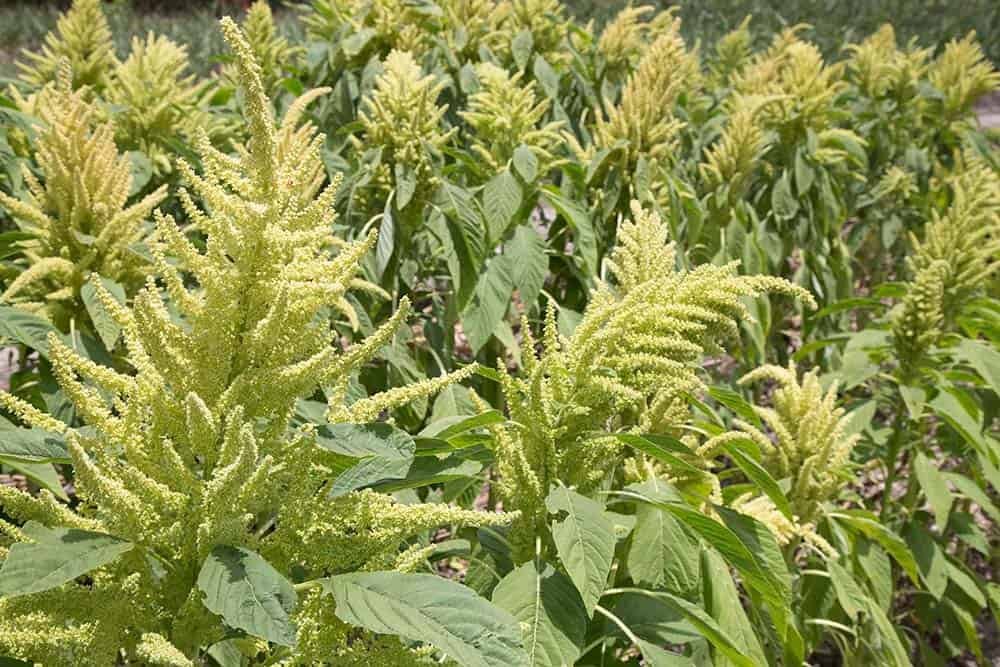
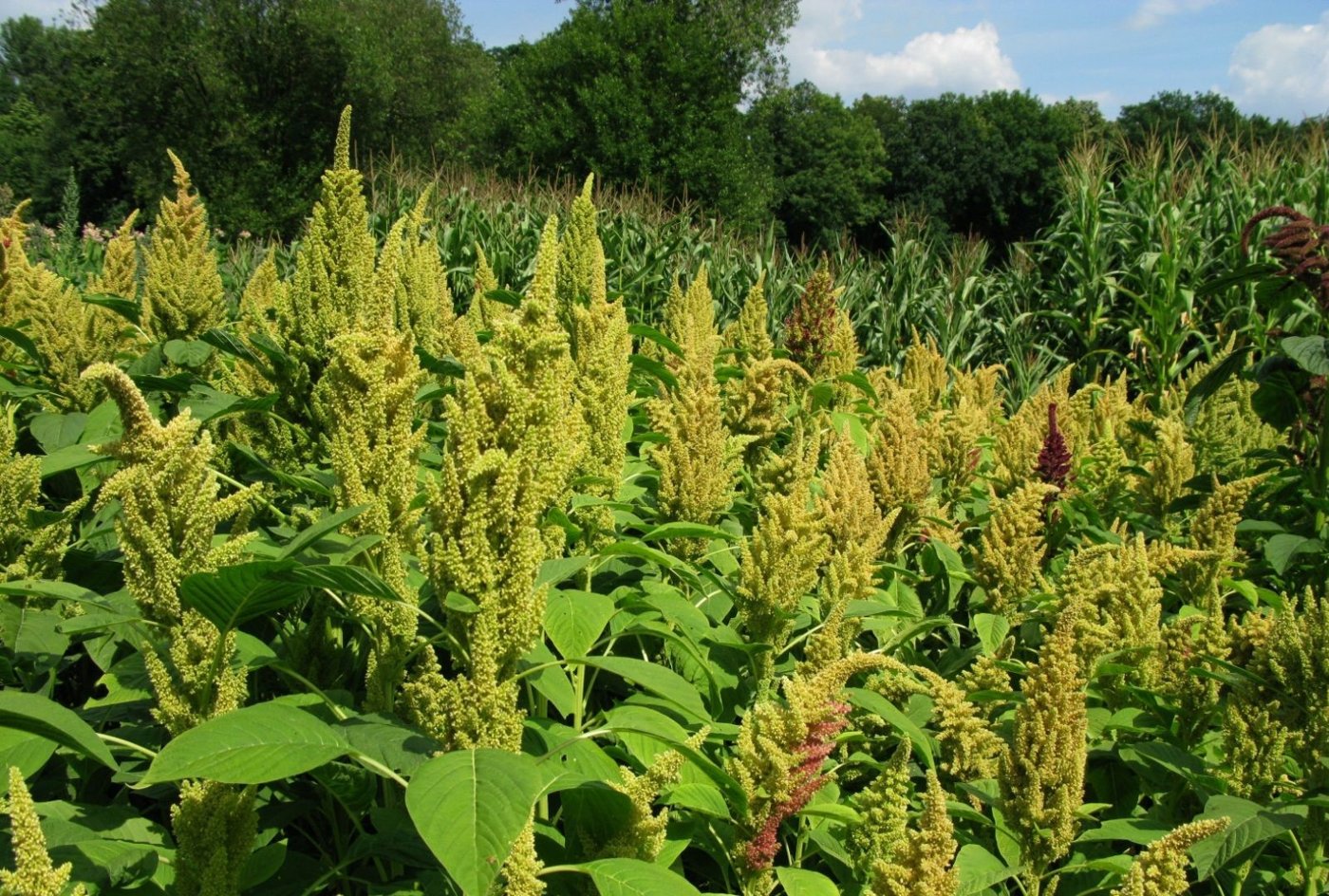
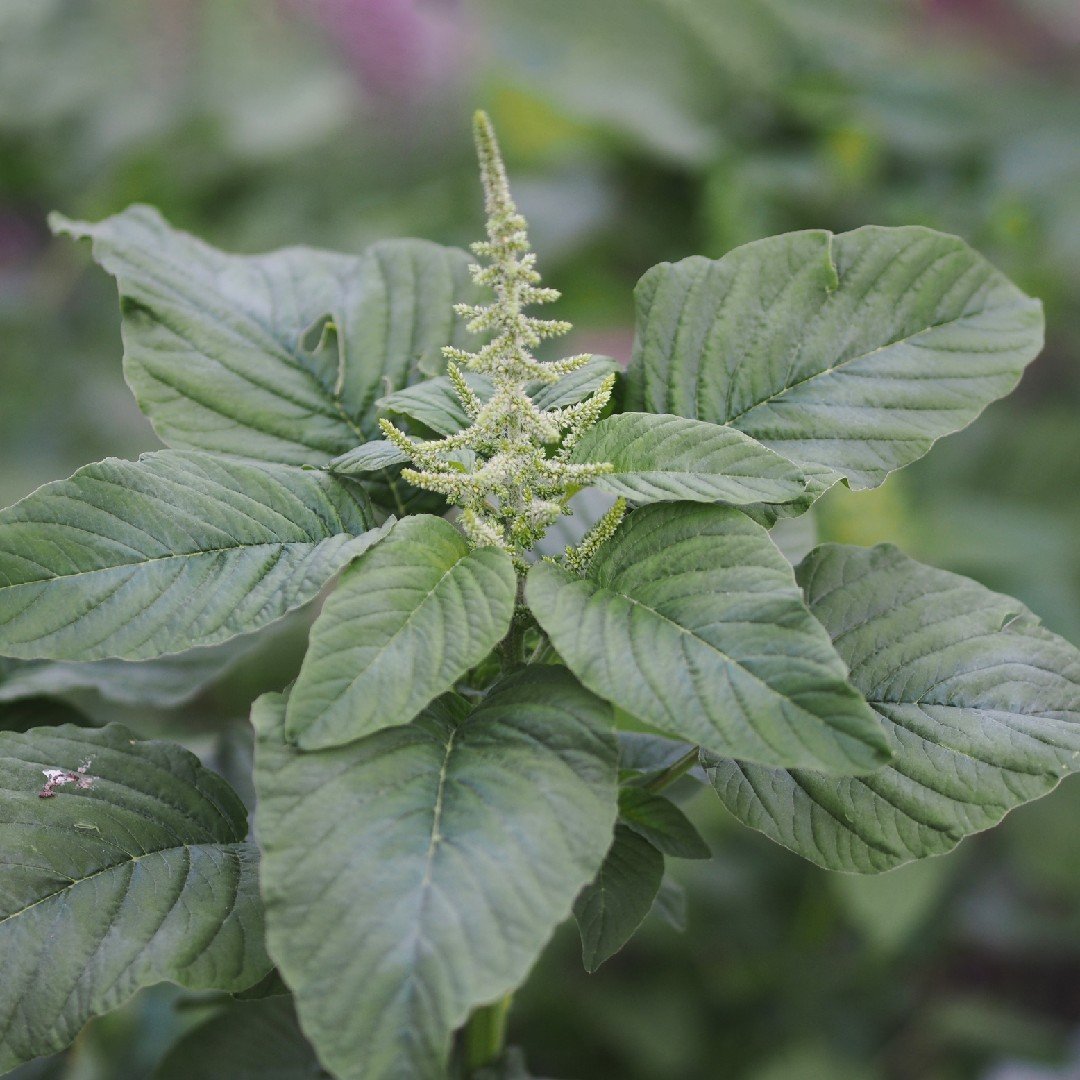
| Name | Country | Maturity | Traits |
|---|---|---|---|
| Local green Amaranth (mchicha) | KE | 30 | Fast-growing, tender leaves and common in markets. |
| Red-stemmed Amaranth | KE | 30 | Red or purple veins and stems; attractive bunches. |
| Improved leaf Amaranth | TZ | 35 | Uniform plants, high yield and good regrowth after cutting. |
| Local green Amaranth (mchicha) | KE | 30 | Fast-growing, tender leaves and common in markets. |
| Red-stemmed Amaranth | KE | 30 | Red or purple veins and stems; attractive bunches. |
| Improved leaf Amaranth | TZ | 35 | Uniform plants, high yield and good regrowth after cutting. |
| Local green Amaranth (mchicha) | KE | 30 | Fast-growing, tender leaves and common in markets. |
| Red-stemmed Amaranth | KE | 30 | Red or purple veins and stems; attractive bunches. |
| Improved leaf Amaranth | TZ | 35 | Uniform plants, high yield and good regrowth after cutting. |
| Local green Amaranth (mchicha) | KE | 30 | Fast-growing, tender leaves and common in markets. |
| Red-stemmed Amaranth | KE | 30 | Red or purple veins and stems; attractive bunches. |
| Improved leaf Amaranth | TZ | 35 | Uniform plants, high yield and good regrowth after cutting. |
| Local green Amaranth (mchicha) | KE | 30 | Fast-growing, tender leaves and common in markets. |
| Red-stemmed Amaranth | KE | 30 | Red or purple veins and stems; attractive bunches. |
| Improved leaf Amaranth | TZ | 35 | Uniform plants, high yield and good regrowth after cutting. |
| Local green Amaranth (mchicha) | KE | 30 | Fast-growing, tender leaves and common in markets. |
| Red-stemmed Amaranth | KE | 30 | Red or purple veins and stems; attractive bunches. |
| Improved leaf Amaranth | TZ | 35 | Uniform plants, high yield and good regrowth after cutting. |
| Local green Amaranth (mchicha) | KE | 30 | Fast-growing, tender leaves and common in markets. |
| Red-stemmed Amaranth | KE | 30 | Red or purple veins and stems; attractive bunches. |
| Improved leaf Amaranth | TZ | 35 | Uniform plants, high yield and good regrowth after cutting. |
| Local green Amaranth (mchicha) | KE | 30 | Fast-growing, tender leaves and common in markets. |
| Red-stemmed Amaranth | KE | 30 | Red or purple veins and stems; attractive bunches. |
| Improved leaf Amaranth | TZ | 35 | Uniform plants, high yield and good regrowth after cutting. |
| Local green Amaranth (mchicha) | KE | 30 | Fast-growing, tender leaves and common in markets. |
| Red-stemmed Amaranth | KE | 30 | Red or purple veins and stems; attractive bunches. |
| Improved leaf Amaranth | TZ | 35 | Uniform plants, high yield and good regrowth after cutting. |
| Local green Amaranth (mchicha) | KE | 30 | Fast-growing, tender leaves and common in markets. |
| Red-stemmed Amaranth | KE | 30 | Red or purple veins and stems; attractive bunches. |
| Improved leaf Amaranth | TZ | 35 | Uniform plants, high yield and good regrowth after cutting. |
| Local green Amaranth (mchicha) | KE | 30 | Fast-growing, tender leaves and common in markets. |
| Red-stemmed Amaranth | KE | 30 | Red or purple veins and stems; attractive bunches. |
| Improved leaf Amaranth | TZ | 35 | Uniform plants, high yield and good regrowth after cutting. |
| Local green Amaranth (mchicha) | KE | 30 | Fast-growing, tender leaves and common in markets. |
| Red-stemmed Amaranth | KE | 30 | Red or purple veins and stems; attractive bunches. |
| Improved leaf Amaranth | TZ | 35 | Uniform plants, high yield and good regrowth after cutting. |
| Local green Amaranth (mchicha) | KE | 30 | Fast-growing, tender leaves and common in markets. |
| Red-stemmed Amaranth | KE | 30 | Red or purple veins and stems; attractive bunches. |
| Improved leaf Amaranth | TZ | 35 | Uniform plants, high yield and good regrowth after cutting. |
| Local green Amaranth (mchicha) | KE | 30 | Fast-growing, tender leaves and common in markets. |
| Red-stemmed Amaranth | KE | 30 | Red or purple veins and stems; attractive bunches. |
| Improved leaf Amaranth | TZ | 35 | Uniform plants, high yield and good regrowth after cutting. |
| Local green Amaranth (mchicha) | KE | 30 | Fast-growing, tender leaves and common in markets. |
| Red-stemmed Amaranth | KE | 30 | Red or purple veins and stems; attractive bunches. |
| Improved leaf Amaranth | TZ | 35 | Uniform plants, high yield and good regrowth after cutting. |
| Local green Amaranth (mchicha) | KE | 30 | Fast-growing, tender leaves and common in markets. |
| Red-stemmed Amaranth | KE | 30 | Red or purple veins and stems; attractive bunches. |
| Improved leaf Amaranth | TZ | 35 | Uniform plants, high yield and good regrowth after cutting. |
| Stage | Product | Rate (kg/ha) | Notes |
|---|---|---|---|
| Basal | NPK 17-17-17 or 15-15-15 | 120 | Balanced base for early leaf growth of Amaranth (mchicha/terere). |
| Topdress (N source) | CAN 26% N or urea | 60 | Apply once or twice depending on crop colour and vigour. |
| Organic | Well-rotted manure or compost | 6000 | Apply before planting to improve soil organic matter and moisture holding. |
| Basal | NPK 17-17-17 or 15-15-15 | 120 | Balanced base for early leaf growth of Amaranth (mchicha/terere). |
| Topdress (N source) | CAN 26% N or urea | 60 | Apply once or twice depending on crop colour and vigour. |
| Organic | Well-rotted manure or compost | 6000 | Apply before planting to improve soil organic matter and moisture holding. |
| Basal | NPK 17-17-17 or 15-15-15 | 120 | Balanced base for early leaf growth of Amaranth (mchicha/terere). |
| Topdress (N source) | CAN 26% N or urea | 60 | Apply once or twice depending on crop colour and vigour. |
| Organic | Well-rotted manure or compost | 6000 | Apply before planting to improve soil organic matter and moisture holding. |
| Basal | NPK 17-17-17 or 15-15-15 | 120 | Balanced base for early leaf growth of Amaranth (mchicha/terere). |
| Topdress (N source) | CAN 26% N or urea | 60 | Apply once or twice depending on crop colour and vigour. |
| Organic | Well-rotted manure or compost | 6000 | Apply before planting to improve soil organic matter and moisture holding. |
| Basal | NPK 17-17-17 or 15-15-15 | 120 | Balanced base for early leaf growth of Amaranth (mchicha/terere). |
| Topdress (N source) | CAN 26% N or urea | 60 | Apply once or twice depending on crop colour and vigour. |
| Organic | Well-rotted manure or compost | 6000 | Apply before planting to improve soil organic matter and moisture holding. |
| Basal | NPK 17-17-17 or 15-15-15 | 120 | Balanced base for early leaf growth of Amaranth (mchicha/terere). |
| Topdress (N source) | CAN 26% N or urea | 60 | Apply once or twice depending on crop colour and vigour. |
| Organic | Well-rotted manure or compost | 6000 | Apply before planting to improve soil organic matter and moisture holding. |
| Basal | NPK 17-17-17 or 15-15-15 | 120 | Balanced base for early leaf growth of Amaranth (mchicha/terere). |
| Topdress (N source) | CAN 26% N or urea | 60 | Apply once or twice depending on crop colour and vigour. |
| Organic | Well-rotted manure or compost | 6000 | Apply before planting to improve soil organic matter and moisture holding. |
| Basal | NPK 17-17-17 or 15-15-15 | 120 | Balanced base for early leaf growth of Amaranth (mchicha/terere). |
| Topdress (N source) | CAN 26% N or urea | 60 | Apply once or twice depending on crop colour and vigour. |
| Organic | Well-rotted manure or compost | 6000 | Apply before planting to improve soil organic matter and moisture holding. |
| Basal | NPK 17-17-17 or 15-15-15 | 120 | Balanced base for early leaf growth of Amaranth (mchicha/terere). |
| Topdress (N source) | CAN 26% N or urea | 60 | Apply once or twice depending on crop colour and vigour. |
| Organic | Well-rotted manure or compost | 6000 | Apply before planting to improve soil organic matter and moisture holding. |
| Basal | NPK 17-17-17 or 15-15-15 | 120 | Balanced base for early leaf growth of Amaranth (mchicha/terere). |
| Topdress (N source) | CAN 26% N or urea | 60 | Apply once or twice depending on crop colour and vigour. |
| Organic | Well-rotted manure or compost | 6000 | Apply before planting to improve soil organic matter and moisture holding. |
| Basal | NPK 17-17-17 or 15-15-15 | 120 | Balanced base for early leaf growth of Amaranth (mchicha/terere). |
| Topdress (N source) | CAN 26% N or urea | 60 | Apply once or twice depending on crop colour and vigour. |
| Organic | Well-rotted manure or compost | 6000 | Apply before planting to improve soil organic matter and moisture holding. |
| Basal | NPK 17-17-17 or 15-15-15 | 120 | Balanced base for early leaf growth of Amaranth (mchicha/terere). |
| Topdress (N source) | CAN 26% N or urea | 60 | Apply once or twice depending on crop colour and vigour. |
| Organic | Well-rotted manure or compost | 6000 | Apply before planting to improve soil organic matter and moisture holding. |
| Basal | NPK 17-17-17 or 15-15-15 | 120 | Balanced base for early leaf growth of Amaranth (mchicha/terere). |
| Topdress (N source) | CAN 26% N or urea | 60 | Apply once or twice depending on crop colour and vigour. |
| Organic | Well-rotted manure or compost | 6000 | Apply before planting to improve soil organic matter and moisture holding. |
| Basal | NPK 17-17-17 or 15-15-15 | 120 | Balanced base for early leaf growth of Amaranth (mchicha/terere). |
| Topdress (N source) | CAN 26% N or urea | 60 | Apply once or twice depending on crop colour and vigour. |
| Organic | Well-rotted manure or compost | 6000 | Apply before planting to improve soil organic matter and moisture holding. |
| Basal | NPK 17-17-17 or 15-15-15 | 120 | Balanced base for early leaf growth of Amaranth (mchicha/terere). |
| Topdress (N source) | CAN 26% N or urea | 60 | Apply once or twice depending on crop colour and vigour. |
| Organic | Well-rotted manure or compost | 6000 | Apply before planting to improve soil organic matter and moisture holding. |
| Basal | NPK 17-17-17 or 15-15-15 | 120 | Balanced base for early leaf growth of Amaranth (mchicha/terere). |
| Topdress (N source) | CAN 26% N or urea | 60 | Apply once or twice depending on crop colour and vigour. |
| Organic | Well-rotted manure or compost | 6000 | Apply before planting to improve soil organic matter and moisture holding. |
| Name | Type | Symptoms | Management |
|---|---|---|---|
| Leaf-eating caterpillars | pest | Holes and large bites in Amaranth leaves (mchicha/terere), sometimes leaving only veins. | Handpick on small plots, encourage natural enemies and use Bt or other recommended insecticides based on scouting. |
| Aphids | pest | Clusters of small insects on young shoots of Amaranth leaves (mchicha/terere), curled leaves and sticky honeydew. | Encourage natural enemies, avoid excess nitrogen and use selective insecticides or biopesticides when infestations are h... |
| Leaf miners | pest | Winding tunnels inside the leaves, reducing market value. | Remove badly infested leaves and use recommended insecticides against adult flies if needed. |
| Flea beetles | pest | Many small round holes on young leaves, giving a shot-hole appearance. | Prepare land early, reduce weeds and, if necessary, use insecticides when seedlings are small and damage is severe. |
| Leaf spots and blights | disease | Small brown or dark spots on leaves that may merge and cause yellowing or drying. | Avoid overhead irrigation late in the day, improve airflow, rotate crops and remove heavily diseased leaves. |
| Root rots | disease | Wilting of plants, poor growth and rotted roots in poorly drained areas. | Plant on raised beds or well-drained soils and avoid over-irrigation. |
| Leaf-eating caterpillars | pest | Holes and large bites in Amaranth leaves (mchicha/terere), sometimes leaving only veins. | Handpick on small plots, encourage natural enemies and use Bt or other recommended insecticides based on scouting. |
| Aphids | pest | Clusters of small insects on young shoots of Amaranth leaves (mchicha/terere), curled leaves and sticky honeydew. | Encourage natural enemies, avoid excess nitrogen and use selective insecticides or biopesticides when infestations are h... |
| Leaf miners | pest | Winding tunnels inside the leaves, reducing market value. | Remove badly infested leaves and use recommended insecticides against adult flies if needed. |
| Flea beetles | pest | Many small round holes on young leaves, giving a shot-hole appearance. | Prepare land early, reduce weeds and, if necessary, use insecticides when seedlings are small and damage is severe. |
| Leaf spots and blights | disease | Small brown or dark spots on leaves that may merge and cause yellowing or drying. | Avoid overhead irrigation late in the day, improve airflow, rotate crops and remove heavily diseased leaves. |
| Root rots | disease | Wilting of plants, poor growth and rotted roots in poorly drained areas. | Plant on raised beds or well-drained soils and avoid over-irrigation. |
| Leaf-eating caterpillars | pest | Holes and large bites in Amaranth leaves (mchicha/terere), sometimes leaving only veins. | Handpick on small plots, encourage natural enemies and use Bt or other recommended insecticides based on scouting. |
| Aphids | pest | Clusters of small insects on young shoots of Amaranth leaves (mchicha/terere), curled leaves and sticky honeydew. | Encourage natural enemies, avoid excess nitrogen and use selective insecticides or biopesticides when infestations are h... |
| Leaf miners | pest | Winding tunnels inside the leaves, reducing market value. | Remove badly infested leaves and use recommended insecticides against adult flies if needed. |
| Flea beetles | pest | Many small round holes on young leaves, giving a shot-hole appearance. | Prepare land early, reduce weeds and, if necessary, use insecticides when seedlings are small and damage is severe. |
| Leaf spots and blights | disease | Small brown or dark spots on leaves that may merge and cause yellowing or drying. | Avoid overhead irrigation late in the day, improve airflow, rotate crops and remove heavily diseased leaves. |
| Root rots | disease | Wilting of plants, poor growth and rotted roots in poorly drained areas. | Plant on raised beds or well-drained soils and avoid over-irrigation. |
| Leaf-eating caterpillars | pest | Holes and large bites in Amaranth leaves (mchicha/terere), sometimes leaving only veins. | Handpick on small plots, encourage natural enemies and use Bt or other recommended insecticides based on scouting. |
| Aphids | pest | Clusters of small insects on young shoots of Amaranth leaves (mchicha/terere), curled leaves and sticky honeydew. | Encourage natural enemies, avoid excess nitrogen and use selective insecticides or biopesticides when infestations are h... |
| Leaf miners | pest | Winding tunnels inside the leaves, reducing market value. | Remove badly infested leaves and use recommended insecticides against adult flies if needed. |
| Flea beetles | pest | Many small round holes on young leaves, giving a shot-hole appearance. | Prepare land early, reduce weeds and, if necessary, use insecticides when seedlings are small and damage is severe. |
| Leaf spots and blights | disease | Small brown or dark spots on leaves that may merge and cause yellowing or drying. | Avoid overhead irrigation late in the day, improve airflow, rotate crops and remove heavily diseased leaves. |
| Root rots | disease | Wilting of plants, poor growth and rotted roots in poorly drained areas. | Plant on raised beds or well-drained soils and avoid over-irrigation. |
| Leaf-eating caterpillars | pest | Holes and large bites in Amaranth leaves (mchicha/terere), sometimes leaving only veins. | Handpick on small plots, encourage natural enemies and use Bt or other recommended insecticides based on scouting. |
| Aphids | pest | Clusters of small insects on young shoots of Amaranth leaves (mchicha/terere), curled leaves and sticky honeydew. | Encourage natural enemies, avoid excess nitrogen and use selective insecticides or biopesticides when infestations are h... |
| Leaf miners | pest | Winding tunnels inside the leaves, reducing market value. | Remove badly infested leaves and use recommended insecticides against adult flies if needed. |
| Flea beetles | pest | Many small round holes on young leaves, giving a shot-hole appearance. | Prepare land early, reduce weeds and, if necessary, use insecticides when seedlings are small and damage is severe. |
| Leaf spots and blights | disease | Small brown or dark spots on leaves that may merge and cause yellowing or drying. | Avoid overhead irrigation late in the day, improve airflow, rotate crops and remove heavily diseased leaves. |
| Root rots | disease | Wilting of plants, poor growth and rotted roots in poorly drained areas. | Plant on raised beds or well-drained soils and avoid over-irrigation. |
| Leaf-eating caterpillars | pest | Holes and large bites in Amaranth leaves (mchicha/terere), sometimes leaving only veins. | Handpick on small plots, encourage natural enemies and use Bt or other recommended insecticides based on scouting. |
| Aphids | pest | Clusters of small insects on young shoots of Amaranth leaves (mchicha/terere), curled leaves and sticky honeydew. | Encourage natural enemies, avoid excess nitrogen and use selective insecticides or biopesticides when infestations are h... |
| Leaf miners | pest | Winding tunnels inside the leaves, reducing market value. | Remove badly infested leaves and use recommended insecticides against adult flies if needed. |
| Flea beetles | pest | Many small round holes on young leaves, giving a shot-hole appearance. | Prepare land early, reduce weeds and, if necessary, use insecticides when seedlings are small and damage is severe. |
| Leaf spots and blights | disease | Small brown or dark spots on leaves that may merge and cause yellowing or drying. | Avoid overhead irrigation late in the day, improve airflow, rotate crops and remove heavily diseased leaves. |
| Root rots | disease | Wilting of plants, poor growth and rotted roots in poorly drained areas. | Plant on raised beds or well-drained soils and avoid over-irrigation. |
| Leaf-eating caterpillars | pest | Holes and large bites in Amaranth leaves (mchicha/terere), sometimes leaving only veins. | Handpick on small plots, encourage natural enemies and use Bt or other recommended insecticides based on scouting. |
| Aphids | pest | Clusters of small insects on young shoots of Amaranth leaves (mchicha/terere), curled leaves and sticky honeydew. | Encourage natural enemies, avoid excess nitrogen and use selective insecticides or biopesticides when infestations are h... |
| Leaf miners | pest | Winding tunnels inside the leaves, reducing market value. | Remove badly infested leaves and use recommended insecticides against adult flies if needed. |
| Flea beetles | pest | Many small round holes on young leaves, giving a shot-hole appearance. | Prepare land early, reduce weeds and, if necessary, use insecticides when seedlings are small and damage is severe. |
| Leaf spots and blights | disease | Small brown or dark spots on leaves that may merge and cause yellowing or drying. | Avoid overhead irrigation late in the day, improve airflow, rotate crops and remove heavily diseased leaves. |
| Root rots | disease | Wilting of plants, poor growth and rotted roots in poorly drained areas. | Plant on raised beds or well-drained soils and avoid over-irrigation. |
| Leaf-eating caterpillars | pest | Holes and large bites in Amaranth leaves (mchicha/terere), sometimes leaving only veins. | Handpick on small plots, encourage natural enemies and use Bt or other recommended insecticides based on scouting. |
| Aphids | pest | Clusters of small insects on young shoots of Amaranth leaves (mchicha/terere), curled leaves and sticky honeydew. | Encourage natural enemies, avoid excess nitrogen and use selective insecticides or biopesticides when infestations are h... |
| Leaf miners | pest | Winding tunnels inside the leaves, reducing market value. | Remove badly infested leaves and use recommended insecticides against adult flies if needed. |
| Flea beetles | pest | Many small round holes on young leaves, giving a shot-hole appearance. | Prepare land early, reduce weeds and, if necessary, use insecticides when seedlings are small and damage is severe. |
| Leaf spots and blights | disease | Small brown or dark spots on leaves that may merge and cause yellowing or drying. | Avoid overhead irrigation late in the day, improve airflow, rotate crops and remove heavily diseased leaves. |
| Root rots | disease | Wilting of plants, poor growth and rotted roots in poorly drained areas. | Plant on raised beds or well-drained soils and avoid over-irrigation. |
| Leaf-eating caterpillars | pest | Holes and large bites in Amaranth leaves (mchicha/terere), sometimes leaving only veins. | Handpick on small plots, encourage natural enemies and use Bt or other recommended insecticides based on scouting. |
| Aphids | pest | Clusters of small insects on young shoots of Amaranth leaves (mchicha/terere), curled leaves and sticky honeydew. | Encourage natural enemies, avoid excess nitrogen and use selective insecticides or biopesticides when infestations are h... |
| Leaf miners | pest | Winding tunnels inside the leaves, reducing market value. | Remove badly infested leaves and use recommended insecticides against adult flies if needed. |
| Flea beetles | pest | Many small round holes on young leaves, giving a shot-hole appearance. | Prepare land early, reduce weeds and, if necessary, use insecticides when seedlings are small and damage is severe. |
| Leaf spots and blights | disease | Small brown or dark spots on leaves that may merge and cause yellowing or drying. | Avoid overhead irrigation late in the day, improve airflow, rotate crops and remove heavily diseased leaves. |
| Root rots | disease | Wilting of plants, poor growth and rotted roots in poorly drained areas. | Plant on raised beds or well-drained soils and avoid over-irrigation. |
| Leaf-eating caterpillars | pest | Holes and large bites in Amaranth leaves (mchicha/terere), sometimes leaving only veins. | Handpick on small plots, encourage natural enemies and use Bt or other recommended insecticides based on scouting. |
| Aphids | pest | Clusters of small insects on young shoots of Amaranth leaves (mchicha/terere), curled leaves and sticky honeydew. | Encourage natural enemies, avoid excess nitrogen and use selective insecticides or biopesticides when infestations are h... |
| Leaf miners | pest | Winding tunnels inside the leaves, reducing market value. | Remove badly infested leaves and use recommended insecticides against adult flies if needed. |
| Flea beetles | pest | Many small round holes on young leaves, giving a shot-hole appearance. | Prepare land early, reduce weeds and, if necessary, use insecticides when seedlings are small and damage is severe. |
| Leaf spots and blights | disease | Small brown or dark spots on leaves that may merge and cause yellowing or drying. | Avoid overhead irrigation late in the day, improve airflow, rotate crops and remove heavily diseased leaves. |
| Root rots | disease | Wilting of plants, poor growth and rotted roots in poorly drained areas. | Plant on raised beds or well-drained soils and avoid over-irrigation. |
| Leaf-eating caterpillars | pest | Holes and large bites in Amaranth leaves (mchicha/terere), sometimes leaving only veins. | Handpick on small plots, encourage natural enemies and use Bt or other recommended insecticides based on scouting. |
| Aphids | pest | Clusters of small insects on young shoots of Amaranth leaves (mchicha/terere), curled leaves and sticky honeydew. | Encourage natural enemies, avoid excess nitrogen and use selective insecticides or biopesticides when infestations are h... |
| Leaf miners | pest | Winding tunnels inside the leaves, reducing market value. | Remove badly infested leaves and use recommended insecticides against adult flies if needed. |
| Flea beetles | pest | Many small round holes on young leaves, giving a shot-hole appearance. | Prepare land early, reduce weeds and, if necessary, use insecticides when seedlings are small and damage is severe. |
| Leaf spots and blights | disease | Small brown or dark spots on leaves that may merge and cause yellowing or drying. | Avoid overhead irrigation late in the day, improve airflow, rotate crops and remove heavily diseased leaves. |
| Root rots | disease | Wilting of plants, poor growth and rotted roots in poorly drained areas. | Plant on raised beds or well-drained soils and avoid over-irrigation. |
| Leaf-eating caterpillars | pest | Holes and large bites in Amaranth leaves (mchicha/terere), sometimes leaving only veins. | Handpick on small plots, encourage natural enemies and use Bt or other recommended insecticides based on scouting. |
| Aphids | pest | Clusters of small insects on young shoots of Amaranth leaves (mchicha/terere), curled leaves and sticky honeydew. | Encourage natural enemies, avoid excess nitrogen and use selective insecticides or biopesticides when infestations are h... |
| Leaf miners | pest | Winding tunnels inside the leaves, reducing market value. | Remove badly infested leaves and use recommended insecticides against adult flies if needed. |
| Flea beetles | pest | Many small round holes on young leaves, giving a shot-hole appearance. | Prepare land early, reduce weeds and, if necessary, use insecticides when seedlings are small and damage is severe. |
| Leaf spots and blights | disease | Small brown or dark spots on leaves that may merge and cause yellowing or drying. | Avoid overhead irrigation late in the day, improve airflow, rotate crops and remove heavily diseased leaves. |
| Root rots | disease | Wilting of plants, poor growth and rotted roots in poorly drained areas. | Plant on raised beds or well-drained soils and avoid over-irrigation. |
| Leaf-eating caterpillars | pest | Holes and large bites in Amaranth leaves (mchicha/terere), sometimes leaving only veins. | Handpick on small plots, encourage natural enemies and use Bt or other recommended insecticides based on scouting. |
| Aphids | pest | Clusters of small insects on young shoots of Amaranth leaves (mchicha/terere), curled leaves and sticky honeydew. | Encourage natural enemies, avoid excess nitrogen and use selective insecticides or biopesticides when infestations are h... |
| Leaf miners | pest | Winding tunnels inside the leaves, reducing market value. | Remove badly infested leaves and use recommended insecticides against adult flies if needed. |
| Flea beetles | pest | Many small round holes on young leaves, giving a shot-hole appearance. | Prepare land early, reduce weeds and, if necessary, use insecticides when seedlings are small and damage is severe. |
| Leaf spots and blights | disease | Small brown or dark spots on leaves that may merge and cause yellowing or drying. | Avoid overhead irrigation late in the day, improve airflow, rotate crops and remove heavily diseased leaves. |
| Root rots | disease | Wilting of plants, poor growth and rotted roots in poorly drained areas. | Plant on raised beds or well-drained soils and avoid over-irrigation. |
| Leaf-eating caterpillars | pest | Holes and large bites in Amaranth leaves (mchicha/terere), sometimes leaving only veins. | Handpick on small plots, encourage natural enemies and use Bt or other recommended insecticides based on scouting. |
| Aphids | pest | Clusters of small insects on young shoots of Amaranth leaves (mchicha/terere), curled leaves and sticky honeydew. | Encourage natural enemies, avoid excess nitrogen and use selective insecticides or biopesticides when infestations are h... |
| Leaf miners | pest | Winding tunnels inside the leaves, reducing market value. | Remove badly infested leaves and use recommended insecticides against adult flies if needed. |
| Flea beetles | pest | Many small round holes on young leaves, giving a shot-hole appearance. | Prepare land early, reduce weeds and, if necessary, use insecticides when seedlings are small and damage is severe. |
| Leaf spots and blights | disease | Small brown or dark spots on leaves that may merge and cause yellowing or drying. | Avoid overhead irrigation late in the day, improve airflow, rotate crops and remove heavily diseased leaves. |
| Root rots | disease | Wilting of plants, poor growth and rotted roots in poorly drained areas. | Plant on raised beds or well-drained soils and avoid over-irrigation. |
| Leaf-eating caterpillars | pest | Holes and large bites in Amaranth leaves (mchicha/terere), sometimes leaving only veins. | Handpick on small plots, encourage natural enemies and use Bt or other recommended insecticides based on scouting. |
| Aphids | pest | Clusters of small insects on young shoots of Amaranth leaves (mchicha/terere), curled leaves and sticky honeydew. | Encourage natural enemies, avoid excess nitrogen and use selective insecticides or biopesticides when infestations are h... |
| Leaf miners | pest | Winding tunnels inside the leaves, reducing market value. | Remove badly infested leaves and use recommended insecticides against adult flies if needed. |
| Flea beetles | pest | Many small round holes on young leaves, giving a shot-hole appearance. | Prepare land early, reduce weeds and, if necessary, use insecticides when seedlings are small and damage is severe. |
| Leaf spots and blights | disease | Small brown or dark spots on leaves that may merge and cause yellowing or drying. | Avoid overhead irrigation late in the day, improve airflow, rotate crops and remove heavily diseased leaves. |
| Root rots | disease | Wilting of plants, poor growth and rotted roots in poorly drained areas. | Plant on raised beds or well-drained soils and avoid over-irrigation. |
| Leaf-eating caterpillars | pest | Holes and large bites in Amaranth leaves (mchicha/terere), sometimes leaving only veins. | Handpick on small plots, encourage natural enemies and use Bt or other recommended insecticides based on scouting. |
| Aphids | pest | Clusters of small insects on young shoots of Amaranth leaves (mchicha/terere), curled leaves and sticky honeydew. | Encourage natural enemies, avoid excess nitrogen and use selective insecticides or biopesticides when infestations are h... |
| Leaf miners | pest | Winding tunnels inside the leaves, reducing market value. | Remove badly infested leaves and use recommended insecticides against adult flies if needed. |
| Flea beetles | pest | Many small round holes on young leaves, giving a shot-hole appearance. | Prepare land early, reduce weeds and, if necessary, use insecticides when seedlings are small and damage is severe. |
| Leaf spots and blights | disease | Small brown or dark spots on leaves that may merge and cause yellowing or drying. | Avoid overhead irrigation late in the day, improve airflow, rotate crops and remove heavily diseased leaves. |
| Root rots | disease | Wilting of plants, poor growth and rotted roots in poorly drained areas. | Plant on raised beds or well-drained soils and avoid over-irrigation. |
| System | Typical | Min | Max | Notes |
|---|---|---|---|---|
| Backyard / low-input Amaranth leaves (mchicha/terere) | 8 | 5 | 12 | Some manure, little fertilizer and irregular picking. |
| Open-field Amaranth leaves, improved management | 15 | 10 | 20 | Good seed, proper spacing, recommended fertilizer and regular harvesting. |
| Irrigated or high-input Amaranth leaves | 25 | 15 | 35 | Frequent harvests under irrigation or wet conditions with fertigation and tight pest management. |
| Backyard / low-input Amaranth leaves (mchicha/terere) | 8 | 5 | 12 | Some manure, little fertilizer and irregular picking. |
| Open-field Amaranth leaves, improved management | 15 | 10 | 20 | Good seed, proper spacing, recommended fertilizer and regular harvesting. |
| Irrigated or high-input Amaranth leaves | 25 | 15 | 35 | Frequent harvests under irrigation or wet conditions with fertigation and tight pest management. |
| Backyard / low-input Amaranth leaves (mchicha/terere) | 8 | 5 | 12 | Some manure, little fertilizer and irregular picking. |
| Open-field Amaranth leaves, improved management | 15 | 10 | 20 | Good seed, proper spacing, recommended fertilizer and regular harvesting. |
| Irrigated or high-input Amaranth leaves | 25 | 15 | 35 | Frequent harvests under irrigation or wet conditions with fertigation and tight pest management. |
| Backyard / low-input Amaranth leaves (mchicha/terere) | 8 | 5 | 12 | Some manure, little fertilizer and irregular picking. |
| Open-field Amaranth leaves, improved management | 15 | 10 | 20 | Good seed, proper spacing, recommended fertilizer and regular harvesting. |
| Irrigated or high-input Amaranth leaves | 25 | 15 | 35 | Frequent harvests under irrigation or wet conditions with fertigation and tight pest management. |
| Backyard / low-input Amaranth leaves (mchicha/terere) | 8 | 5 | 12 | Some manure, little fertilizer and irregular picking. |
| Open-field Amaranth leaves, improved management | 15 | 10 | 20 | Good seed, proper spacing, recommended fertilizer and regular harvesting. |
| Irrigated or high-input Amaranth leaves | 25 | 15 | 35 | Frequent harvests under irrigation or wet conditions with fertigation and tight pest management. |
| Backyard / low-input Amaranth leaves (mchicha/terere) | 8 | 5 | 12 | Some manure, little fertilizer and irregular picking. |
| Open-field Amaranth leaves, improved management | 15 | 10 | 20 | Good seed, proper spacing, recommended fertilizer and regular harvesting. |
| Irrigated or high-input Amaranth leaves | 25 | 15 | 35 | Frequent harvests under irrigation or wet conditions with fertigation and tight pest management. |
| Backyard / low-input Amaranth leaves (mchicha/terere) | 8 | 5 | 12 | Some manure, little fertilizer and irregular picking. |
| Open-field Amaranth leaves, improved management | 15 | 10 | 20 | Good seed, proper spacing, recommended fertilizer and regular harvesting. |
| Irrigated or high-input Amaranth leaves | 25 | 15 | 35 | Frequent harvests under irrigation or wet conditions with fertigation and tight pest management. |
| Backyard / low-input Amaranth leaves (mchicha/terere) | 8 | 5 | 12 | Some manure, little fertilizer and irregular picking. |
| Open-field Amaranth leaves, improved management | 15 | 10 | 20 | Good seed, proper spacing, recommended fertilizer and regular harvesting. |
| Irrigated or high-input Amaranth leaves | 25 | 15 | 35 | Frequent harvests under irrigation or wet conditions with fertigation and tight pest management. |
| Backyard / low-input Amaranth leaves (mchicha/terere) | 8 | 5 | 12 | Some manure, little fertilizer and irregular picking. |
| Open-field Amaranth leaves, improved management | 15 | 10 | 20 | Good seed, proper spacing, recommended fertilizer and regular harvesting. |
| Irrigated or high-input Amaranth leaves | 25 | 15 | 35 | Frequent harvests under irrigation or wet conditions with fertigation and tight pest management. |
| Backyard / low-input Amaranth leaves (mchicha/terere) | 8 | 5 | 12 | Some manure, little fertilizer and irregular picking. |
| Open-field Amaranth leaves, improved management | 15 | 10 | 20 | Good seed, proper spacing, recommended fertilizer and regular harvesting. |
| Irrigated or high-input Amaranth leaves | 25 | 15 | 35 | Frequent harvests under irrigation or wet conditions with fertigation and tight pest management. |
| Backyard / low-input Amaranth leaves (mchicha/terere) | 8 | 5 | 12 | Some manure, little fertilizer and irregular picking. |
| Open-field Amaranth leaves, improved management | 15 | 10 | 20 | Good seed, proper spacing, recommended fertilizer and regular harvesting. |
| Irrigated or high-input Amaranth leaves | 25 | 15 | 35 | Frequent harvests under irrigation or wet conditions with fertigation and tight pest management. |
| Backyard / low-input Amaranth leaves (mchicha/terere) | 8 | 5 | 12 | Some manure, little fertilizer and irregular picking. |
| Open-field Amaranth leaves, improved management | 15 | 10 | 20 | Good seed, proper spacing, recommended fertilizer and regular harvesting. |
| Irrigated or high-input Amaranth leaves | 25 | 15 | 35 | Frequent harvests under irrigation or wet conditions with fertigation and tight pest management. |
| Backyard / low-input Amaranth leaves (mchicha/terere) | 8 | 5 | 12 | Some manure, little fertilizer and irregular picking. |
| Open-field Amaranth leaves, improved management | 15 | 10 | 20 | Good seed, proper spacing, recommended fertilizer and regular harvesting. |
| Irrigated or high-input Amaranth leaves | 25 | 15 | 35 | Frequent harvests under irrigation or wet conditions with fertigation and tight pest management. |
| Backyard / low-input Amaranth leaves (mchicha/terere) | 8 | 5 | 12 | Some manure, little fertilizer and irregular picking. |
| Open-field Amaranth leaves, improved management | 15 | 10 | 20 | Good seed, proper spacing, recommended fertilizer and regular harvesting. |
| Irrigated or high-input Amaranth leaves | 25 | 15 | 35 | Frequent harvests under irrigation or wet conditions with fertigation and tight pest management. |
| Backyard / low-input Amaranth leaves (mchicha/terere) | 8 | 5 | 12 | Some manure, little fertilizer and irregular picking. |
| Open-field Amaranth leaves, improved management | 15 | 10 | 20 | Good seed, proper spacing, recommended fertilizer and regular harvesting. |
| Irrigated or high-input Amaranth leaves | 25 | 15 | 35 | Frequent harvests under irrigation or wet conditions with fertigation and tight pest management. |
| Backyard / low-input Amaranth leaves (mchicha/terere) | 8 | 5 | 12 | Some manure, little fertilizer and irregular picking. |
| Open-field Amaranth leaves, improved management | 15 | 10 | 20 | Good seed, proper spacing, recommended fertilizer and regular harvesting. |
| Irrigated or high-input Amaranth leaves | 25 | 15 | 35 | Frequent harvests under irrigation or wet conditions with fertigation and tight pest management. |
| Country | Region | Planting | Harvest |
|---|---|---|---|
| KE | Peri-urban and rural Amaranth (mchicha/terere) belts | Most of the year where moisture is available | First harvest 3–5 weeks after emergence, then repeated cuts. |
| TZ | Urban and irrigated vegetable zones | Any time with irrigation or reliable water | Regular pickings over several weeks. |
| UG | Low- and mid-altitude vegetable zones | Rainy seasons and under irrigation | Multiple harvests starting about 1 month after planting. |
| KE | Peri-urban and rural Amaranth (mchicha/terere) belts | Most of the year where moisture is available | First harvest 3–5 weeks after emergence, then repeated cuts. |
| TZ | Urban and irrigated vegetable zones | Any time with irrigation or reliable water | Regular pickings over several weeks. |
| UG | Low- and mid-altitude vegetable zones | Rainy seasons and under irrigation | Multiple harvests starting about 1 month after planting. |
| KE | Peri-urban and rural Amaranth (mchicha/terere) belts | Most of the year where moisture is available | First harvest 3–5 weeks after emergence, then repeated cuts. |
| TZ | Urban and irrigated vegetable zones | Any time with irrigation or reliable water | Regular pickings over several weeks. |
| UG | Low- and mid-altitude vegetable zones | Rainy seasons and under irrigation | Multiple harvests starting about 1 month after planting. |
| KE | Peri-urban and rural Amaranth (mchicha/terere) belts | Most of the year where moisture is available | First harvest 3–5 weeks after emergence, then repeated cuts. |
| TZ | Urban and irrigated vegetable zones | Any time with irrigation or reliable water | Regular pickings over several weeks. |
| UG | Low- and mid-altitude vegetable zones | Rainy seasons and under irrigation | Multiple harvests starting about 1 month after planting. |
| KE | Peri-urban and rural Amaranth (mchicha/terere) belts | Most of the year where moisture is available | First harvest 3–5 weeks after emergence, then repeated cuts. |
| TZ | Urban and irrigated vegetable zones | Any time with irrigation or reliable water | Regular pickings over several weeks. |
| UG | Low- and mid-altitude vegetable zones | Rainy seasons and under irrigation | Multiple harvests starting about 1 month after planting. |
| KE | Peri-urban and rural Amaranth (mchicha/terere) belts | Most of the year where moisture is available | First harvest 3–5 weeks after emergence, then repeated cuts. |
| TZ | Urban and irrigated vegetable zones | Any time with irrigation or reliable water | Regular pickings over several weeks. |
| UG | Low- and mid-altitude vegetable zones | Rainy seasons and under irrigation | Multiple harvests starting about 1 month after planting. |
| KE | Peri-urban and rural Amaranth (mchicha/terere) belts | Most of the year where moisture is available | First harvest 3–5 weeks after emergence, then repeated cuts. |
| TZ | Urban and irrigated vegetable zones | Any time with irrigation or reliable water | Regular pickings over several weeks. |
| UG | Low- and mid-altitude vegetable zones | Rainy seasons and under irrigation | Multiple harvests starting about 1 month after planting. |
| KE | Peri-urban and rural Amaranth (mchicha/terere) belts | Most of the year where moisture is available | First harvest 3–5 weeks after emergence, then repeated cuts. |
| TZ | Urban and irrigated vegetable zones | Any time with irrigation or reliable water | Regular pickings over several weeks. |
| UG | Low- and mid-altitude vegetable zones | Rainy seasons and under irrigation | Multiple harvests starting about 1 month after planting. |
| KE | Peri-urban and rural Amaranth (mchicha/terere) belts | Most of the year where moisture is available | First harvest 3–5 weeks after emergence, then repeated cuts. |
| TZ | Urban and irrigated vegetable zones | Any time with irrigation or reliable water | Regular pickings over several weeks. |
| UG | Low- and mid-altitude vegetable zones | Rainy seasons and under irrigation | Multiple harvests starting about 1 month after planting. |
| KE | Peri-urban and rural Amaranth (mchicha/terere) belts | Most of the year where moisture is available | First harvest 3–5 weeks after emergence, then repeated cuts. |
| TZ | Urban and irrigated vegetable zones | Any time with irrigation or reliable water | Regular pickings over several weeks. |
| UG | Low- and mid-altitude vegetable zones | Rainy seasons and under irrigation | Multiple harvests starting about 1 month after planting. |
| KE | Peri-urban and rural Amaranth (mchicha/terere) belts | Most of the year where moisture is available | First harvest 3–5 weeks after emergence, then repeated cuts. |
| TZ | Urban and irrigated vegetable zones | Any time with irrigation or reliable water | Regular pickings over several weeks. |
| UG | Low- and mid-altitude vegetable zones | Rainy seasons and under irrigation | Multiple harvests starting about 1 month after planting. |
| KE | Peri-urban and rural Amaranth (mchicha/terere) belts | Most of the year where moisture is available | First harvest 3–5 weeks after emergence, then repeated cuts. |
| TZ | Urban and irrigated vegetable zones | Any time with irrigation or reliable water | Regular pickings over several weeks. |
| UG | Low- and mid-altitude vegetable zones | Rainy seasons and under irrigation | Multiple harvests starting about 1 month after planting. |
| KE | Peri-urban and rural Amaranth (mchicha/terere) belts | Most of the year where moisture is available | First harvest 3–5 weeks after emergence, then repeated cuts. |
| TZ | Urban and irrigated vegetable zones | Any time with irrigation or reliable water | Regular pickings over several weeks. |
| UG | Low- and mid-altitude vegetable zones | Rainy seasons and under irrigation | Multiple harvests starting about 1 month after planting. |
| KE | Peri-urban and rural Amaranth (mchicha/terere) belts | Most of the year where moisture is available | First harvest 3–5 weeks after emergence, then repeated cuts. |
| TZ | Urban and irrigated vegetable zones | Any time with irrigation or reliable water | Regular pickings over several weeks. |
| UG | Low- and mid-altitude vegetable zones | Rainy seasons and under irrigation | Multiple harvests starting about 1 month after planting. |
| KE | Peri-urban and rural Amaranth (mchicha/terere) belts | Most of the year where moisture is available | First harvest 3–5 weeks after emergence, then repeated cuts. |
| TZ | Urban and irrigated vegetable zones | Any time with irrigation or reliable water | Regular pickings over several weeks. |
| UG | Low- and mid-altitude vegetable zones | Rainy seasons and under irrigation | Multiple harvests starting about 1 month after planting. |
| KE | Peri-urban and rural Amaranth (mchicha/terere) belts | Most of the year where moisture is available | First harvest 3–5 weeks after emergence, then repeated cuts. |
| TZ | Urban and irrigated vegetable zones | Any time with irrigation or reliable water | Regular pickings over several weeks. |
| UG | Low- and mid-altitude vegetable zones | Rainy seasons and under irrigation | Multiple harvests starting about 1 month after planting. |
| Country | Region | Suitability |
|---|---|---|
| KE | Peri-urban and rural vegetable-growing areas | High |
| KE | Semi-arid areas with kitchen gardens and some water | Medium |
| TZ | Urban and irrigated Amaranth (mchicha) belts | High |
| UG | Smallholder vegetable zones around towns | High |