
Quick stats
| Family | Fabaceae |
|---|---|
| Typical harvest | 11.0 t/ha |
| Varieties | 3 |
| Pests & diseases | 6 |
| Seasons | 3 |
Crop profile
| Growth habit | perennial |
|---|---|
| Days to harvest | 365 |
| Main uses | High-protein fodder tree for cut-and-carry or hedgerows, fuelwood, green manure and soil conservation. |
| Pollination | insect |
| Origin / where it grows | Multipurpose fodder tree legume used across humid and sub-humid tropics, especially in East African highlands and mid-altitudes. |
Weather, soil & spacing
| Best temperature | 20–28 °C |
|---|---|
| Rainfall | 1000–3000 mm/yr |
| Altitude | 0–2000 m |
| Best pH | 5.5–7 |
| Soil type | Prefers light to medium-textured, slightly acidic, well-drained soils but tolerates many low-fertility tropical soils. |
| Row spacing | 100 cm |
| Plant spacing | 50 cm |
| Planting depth | 2 cm |
| Seed rate | 5 kg/ha |
| Nursery days | 60 |
Simple notes for farmers
About the crop: This crop is perennial, which means once you plant it, the same plant can keep producing for many years. You can normally start harvesting about 365 days after planting, depending on care and variety.
Main use: Farmers mostly grow this crop for high-protein fodder tree for cut-and-carry or hedgerows, fuelwood, green manure and soil conservation..
Pollination: This crop is mainly pollinated by insect. Keeping flowers healthy and having insects like bees in the field helps improve fruit set and yields.
Where it grows: Multipurpose fodder tree legume used across humid and sub-humid tropics, especially in East African highlands and mid-altitudes. It is grouped under: Forages & Fodder.
Best climate: This crop does well in warm areas where the temperature is usually between 20 and 28 degrees Celsius. It prefers places that receive around 1000 to 3000 millimetres of rain in a year. It can grow from near sea level up to about 2000 metres above sea level.
Soil: The crop grows best in slightly acidic to near neutral soils, with a pH of about 5.5 to 7. It does well in prefers light to medium-textured, slightly acidic, well-drained soils but tolerates many low-fertility tropical soils.. Good drainage is important, so avoid waterlogged spots.
Plant spacing: Plant in rows about 100 centimetres apart, and leave about 50 centimetres between plants in the row. This gives each plant enough space for roots and canopy to spread.
Planting depth: Dig planting holes or furrows about 2 centimetres deep so the roots sit firmly in the soil but are not buried too deep.
Seed or planting material: Use around 5 kilograms of seed or planting material per hectare. Spread or plant evenly so the field has a good stand without being overcrowded.
Nursery period: If you raise seedlings in a nursery, keep them there for about 60 days before transplanting to the main field, when they are strong and healthy.
Farmer guide (mwongozo wa mkulima)
Nutrient schedule (mbolea kwa hatua)
| # | Stage | DAP | Product | Rate | Targets (kg/ha) | Notes |
|---|---|---|---|---|---|---|
| 1 | Basal at planting | 0 | NPK 10-20-20 (or similar P-rich blend) | 100 kg/ha | N: 10, P₂O₅: 20, K₂O: 20 | Place in planting pits or along rows and mix with soil before seeding/transplanting to avoid root burn. |
| 2 | Post-establishment PK support | 90 | NPK 0-20-20 or PK blend | 80 kg/ha | N: 0, P₂O₅: 16, K₂O: 16 | Apply once plants are established and before the first heavy cutting, especially on light soils. |
| 3 | K replenishment (intensive cut-and-carry) | 180 | MOP (KCl) or sulfate of potash | 60 kg/ha | N: 0, P₂O₅: 0, K₂O: 36 | Use where repeated harvesting exports large amounts of biomass from the field. |
Nutrient requirements
| Nutrient | Stage | Amount | Unit |
|---|---|---|---|
| N | Basal | 0 | kg/ha |
| P₂O₅ | Basal | 25 | kg/ha |
| K₂O | Basal | 20 | kg/ha |
| N | Mid_season | 0 | kg/ha |
| P₂O₅ | Mid_season | 10 | kg/ha |
| K₂O | Mid_season | 30 | kg/ha |
| N | Late_season | 0 | kg/ha |
| P₂O₅ | Late_season | 0 | kg/ha |
| K₂O | Late_season | 20 | kg/ha |
Field images (picha shambani)
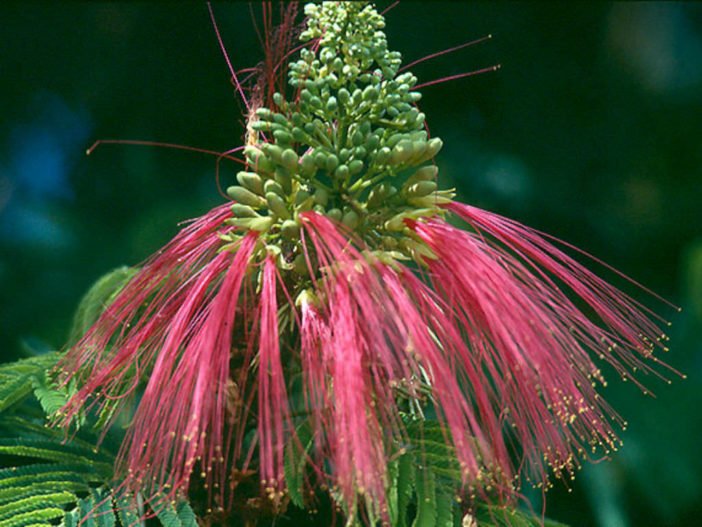
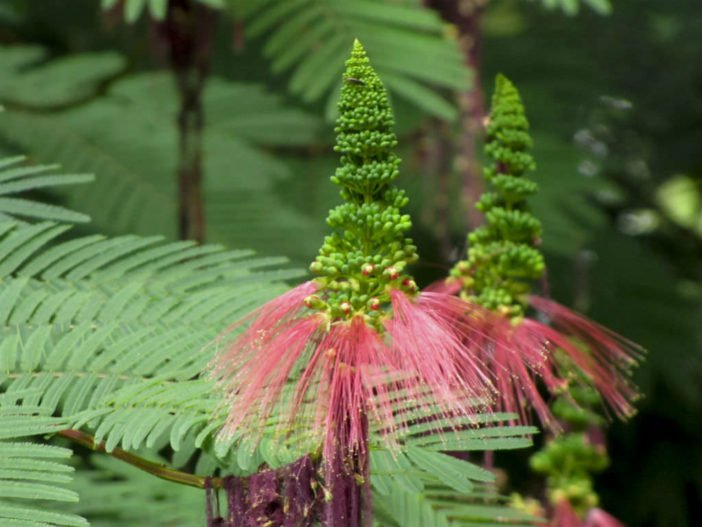
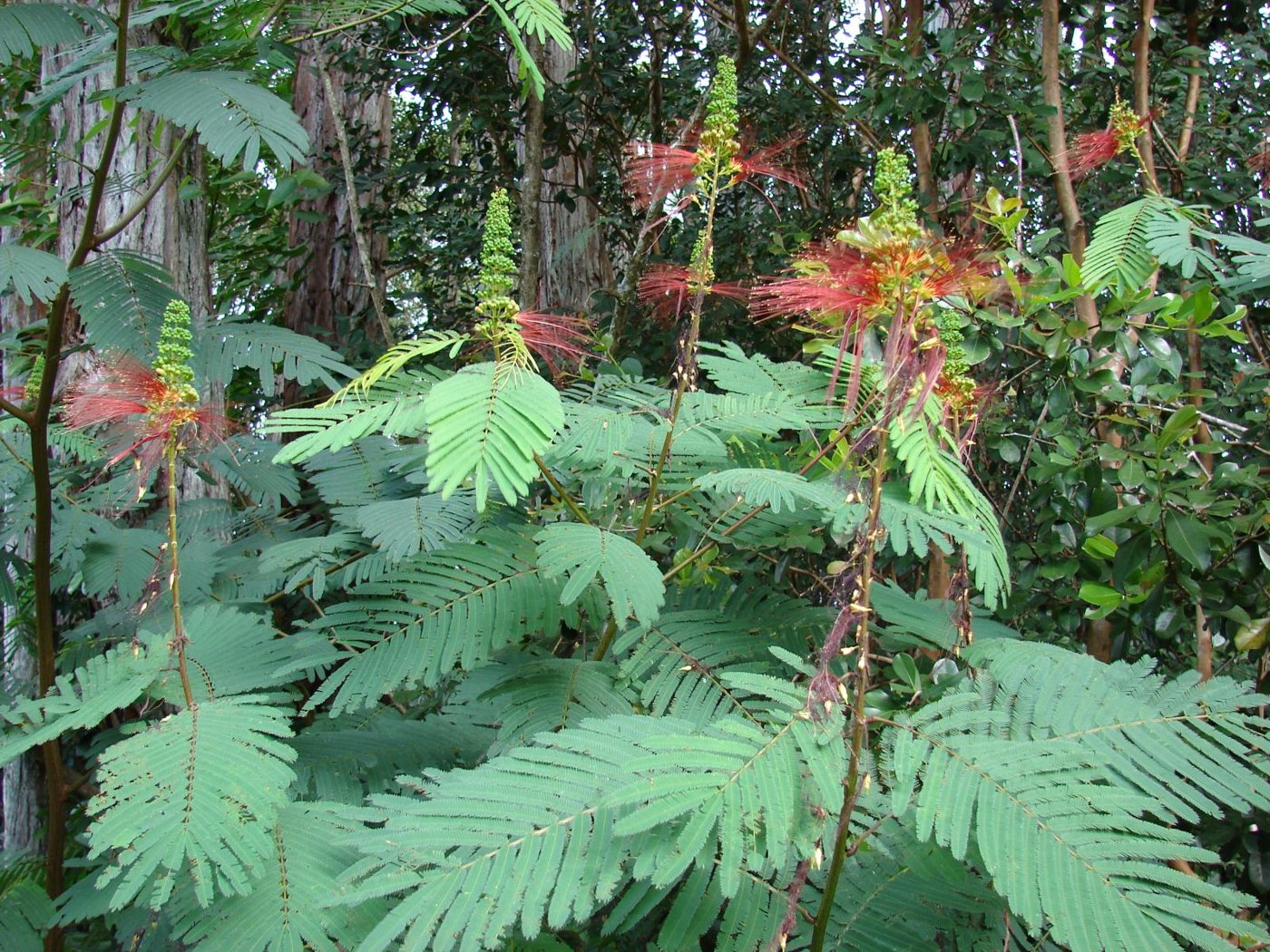
| Name | Country | Maturity | Traits |
|---|---|---|---|
| Highlands calliandra selection | KE | 365 | Adapted to coffee/dairy highland zones, good leaf yield and regrowth under frequent cutting. |
| Mid-altitude calliandra line | TZ | 365 | Performs well in mid-altitude fodder tree systems and alley cropping. |
| Local calliandra type | UG | 365 | Farmer-spread material used on boundaries, contour lines and around homesteads for fodder and fuelwood. |
| Stage | Product | Rate (kg/ha) | Notes |
|---|---|---|---|
| Basal | NPK 10-20-20 | 100 | Apply in planting lines or pits before sowing or transplanting to support early establishment. |
| Mid-season (intensive systems) | PK blend (e.g. 0-20-20) | 80 | Use where calliandra is cut frequently for stall feeding and soils are low in P and K. |
| K replenishment | MOP (KCl) or sulfate of potash | 60 | Apply periodically on sandy or highly leached soils under intensive biomass removal. |
| Name | Type | Symptoms | Management |
|---|---|---|---|
| Calliandra psyllid and other sap-suckers | pest | Yellowing, curling leaves, honeydew and sooty mould on new flushes, reduced regrowth after cutting. | Use tolerant material where available, avoid very dense, shaded stands and maintain plant vigour to recover after attack... |
| Termites | pest | Attack on roots and lower stems, ring-barking, wilting and death of young trees especially in dry periods. | Reduce large termitaries near fields, avoid heavy piles of woody debris at bases and maintain good soil moisture at esta... |
| Defoliating caterpillars | pest | Chewed leaves and partial defoliation of shoots; slower regrowth between cuts. | Scout after rains when flushes appear; encourage birds and natural enemies; prune and remove heavily damaged shoots if n... |
| Damping-off / nursery diseases | disease | Seedlings collapse at the soil line, patches of missing seedlings in beds or containers. | Use well-drained nursery media, avoid overcrowding and overwatering, and rogue out diseased seedlings early. |
| Root and collar rots (waterlogging) | disease | Stunted, yellow plants in wet spots, blackened collar tissues and rotted roots. | Plant on well-drained sites or raised ridges; avoid prolonged waterlogging and compaction. |
| Nutritional/bloat issues in livestock | disorder | When fed in high amounts alone, some animals may show bloat or reduced intake due to high protein and tannin content. | Introduce calliandra gradually, always mix with grasses or other forages and avoid feeding very large amounts to hungry... |
| System | Typical | Min | Max | Notes |
|---|---|---|---|---|
| Low-input hedgerows (DM) | 5 | 3 | 7 | Scattered lines on contours or boundaries with minimal fertilizer; used as supplementary fodder and green manure. |
| Managed fodder strips (DM) | 10 | 6 | 14 | Dense strips or blocks cut regularly for zero-grazing systems, with some PK fertilization and good moisture. |
| Intensive irrigated fodder (DM) | 18 | 12 | 22 | High-density plantings on fertile or manured soils with irrigation and frequent cutting for dairy feed. |
| Country | Region | Planting | Harvest |
|---|---|---|---|
| KE | Coffee/dairy highlands and mid-altitude fodder zones | At onset of long or short rains so seedlings establish before the dry season. | First light cut about 8–12 months after planting; thereafter cuts every 6–10 weeks depending on rainfall and management. |
| TZ | Northern, southern highlands and central corridor dairy areas | Early rainy season on well-drained soils; avoid planting into very dry or waterlogged periods. | Regular cut-and-carry through rainy seasons and early dry seasons once plants are established. |
| UG | Cattle corridor and mid-altitude mixed crop–livestock zones | At onset of main rains on homesteads, contours and field borders. | Green fodder available most of the year after establishment, with peaks in rainy seasons. |
| Country | Region | Suitability |
|---|---|---|
| KE | Highland and mid-altitude dairy/coffee zones, and suitable warm slopes with good drainage | High |
| TZ | Highlands and central corridor areas with 700–2000 mm rainfall and moderate temperatures | High |
| UG | Cattle corridor and highland dairy regions on well-drained soils | High |