
Quick stats
| Family | Fabaceae |
|---|---|
| Typical harvest | 9.0 t/ha |
| Varieties | 48 |
| Pests & diseases | 96 |
| Seasons | 48 |
Crop profile
| Growth habit | perennial |
|---|---|
| Days to harvest | 365 |
| Main uses | High-protein forage: grazed pasture, hay, silage and haylage; also soil-improving ley. |
| Pollination | insect |
| Origin / where it grows | Temperate to subtropical forage crop grown under irrigation or reliable rainfall, often in cooler, drier highlands. |
Weather, soil & spacing
| Best temperature | 15–25 °C |
|---|---|
| Rainfall | 500–800 mm/yr |
| Altitude | 800–2600 m |
| Best pH | 6.5–7.5 |
| Soil type | Deep, well-drained loams or sandy loams with good structure; sensitive to high acidity and waterlogging. |
| Row spacing | 20 cm |
| Plant spacing | 5 cm |
| Planting depth | 1.5 cm |
| Seed rate | 15 kg/ha |
| Nursery days | — |
Simple notes for farmers
About the crop: This crop is perennial, which means once you plant it, the same plant can keep producing for many years. You can normally start harvesting about 365 days after planting, depending on care and variety.
Main use: Farmers mostly grow this crop for high-protein forage: grazed pasture, hay, silage and haylage; also soil-improving ley..
Pollination: This crop is mainly pollinated by insect. Keeping flowers healthy and having insects like bees in the field helps improve fruit set and yields.
Where it grows: Temperate to subtropical forage crop grown under irrigation or reliable rainfall, often in cooler, drier highlands. It is grouped under: Forages & Fodder.
Best climate: This crop does well in warm areas where the temperature is usually between 15 and 25 degrees Celsius. It prefers places that receive around 500 to 800 millimetres of rain in a year. It can grow from near sea level up to about 2600 metres above sea level.
Soil: The crop grows best in slightly acidic to near neutral soils, with a pH of about 6.5 to 7.5. It does well in deep, well-drained loams or sandy loams with good structure; sensitive to high acidity and waterlogging.. Good drainage is important, so avoid waterlogged spots.
Plant spacing: Plant in rows about 20 centimetres apart, and leave about 5 centimetres between plants in the row. This gives each plant enough space for roots and canopy to spread.
Planting depth: Dig planting holes or furrows about 1.5 centimetres deep so the roots sit firmly in the soil but are not buried too deep.
Seed or planting material: Use around 15 kilograms of seed or planting material per hectare. Spread or plant evenly so the field has a good stand without being overcrowded.
Farmer guide (mwongozo wa mkulima)
Nutrient schedule (mbolea kwa hatua)
| # | Stage | DAP | Product | Rate | Targets (kg/ha) | Notes |
|---|---|---|---|---|---|---|
| 1 | Basal at planting | 0 | NPK 10-20-20 (or similar) + lime/compost as needed | 150 kg/ha | N: 15, P₂O₅: 30, K₂O: 30 | Apply and incorporate into top 10–15 cm before sowing; adjust lime separately based on soil test. |
| 1 | Basal at planting | 0 | NPK 10-20-20 (or similar) + lime/compost as needed | 150 kg/ha | N: 15, P₂O₅: 30, K₂O: 30 | Apply and incorporate into top 10–15 cm before sowing; adjust lime separately based on soil test. |
| 1 | Basal at planting | 0 | NPK 10-20-20 (or similar) + lime/compost as needed | 150 kg/ha | N: 15, P₂O₅: 30, K₂O: 30 | Apply and incorporate into top 10–15 cm before sowing; adjust lime separately based on soil test. |
| 1 | Basal at planting | 0 | NPK 10-20-20 (or similar) + lime/compost as needed | 150 kg/ha | N: 15, P₂O₅: 30, K₂O: 30 | Apply and incorporate into top 10–15 cm before sowing; adjust lime separately based on soil test. |
| 1 | Basal at planting | 0 | NPK 10-20-20 (or similar) + lime/compost as needed | 150 kg/ha | N: 15, P₂O₅: 30, K₂O: 30 | Apply and incorporate into top 10–15 cm before sowing; adjust lime separately based on soil test. |
| 1 | Basal at planting | 0 | NPK 10-20-20 (or similar) + lime/compost as needed | 150 kg/ha | N: 15, P₂O₅: 30, K₂O: 30 | Apply and incorporate into top 10–15 cm before sowing; adjust lime separately based on soil test. |
| 1 | Basal at planting | 0 | NPK 10-20-20 (or similar) + lime/compost as needed | 150 kg/ha | N: 15, P₂O₅: 30, K₂O: 30 | Apply and incorporate into top 10–15 cm before sowing; adjust lime separately based on soil test. |
| 1 | Basal at planting | 0 | NPK 10-20-20 (or similar) + lime/compost as needed | 150 kg/ha | N: 15, P₂O₅: 30, K₂O: 30 | Apply and incorporate into top 10–15 cm before sowing; adjust lime separately based on soil test. |
| 1 | Basal at planting | 0 | NPK 10-20-20 (or similar) + lime/compost as needed | 150 kg/ha | N: 15, P₂O₅: 30, K₂O: 30 | Apply and incorporate into top 10–15 cm before sowing; adjust lime separately based on soil test. |
| 1 | Basal at planting | 0 | NPK 10-20-20 (or similar) + lime/compost as needed | 150 kg/ha | N: 15, P₂O₅: 30, K₂O: 30 | Apply and incorporate into top 10–15 cm before sowing; adjust lime separately based on soil test. |
| 1 | Basal at planting | 0 | NPK 10-20-20 (or similar) + lime/compost as needed | 150 kg/ha | N: 15, P₂O₅: 30, K₂O: 30 | Apply and incorporate into top 10–15 cm before sowing; adjust lime separately based on soil test. |
| 1 | Basal at planting | 0 | NPK 10-20-20 (or similar) + lime/compost as needed | 150 kg/ha | N: 15, P₂O₅: 30, K₂O: 30 | Apply and incorporate into top 10–15 cm before sowing; adjust lime separately based on soil test. |
| 1 | Basal at planting | 0 | NPK 10-20-20 (or similar) + lime/compost as needed | 150 kg/ha | N: 15, P₂O₅: 30, K₂O: 30 | Apply and incorporate into top 10–15 cm before sowing; adjust lime separately based on soil test. |
| 1 | Basal at planting | 0 | NPK 10-20-20 (or similar) + lime/compost as needed | 150 kg/ha | N: 15, P₂O₅: 30, K₂O: 30 | Apply and incorporate into top 10–15 cm before sowing; adjust lime separately based on soil test. |
| 1 | Basal at planting | 0 | NPK 10-20-20 (or similar) + lime/compost as needed | 150 kg/ha | N: 15, P₂O₅: 30, K₂O: 30 | Apply and incorporate into top 10–15 cm before sowing; adjust lime separately based on soil test. |
| 1 | Basal at planting | 0 | NPK 10-20-20 (or similar) + lime/compost as needed | 150 kg/ha | N: 15, P₂O₅: 30, K₂O: 30 | Apply and incorporate into top 10–15 cm before sowing; adjust lime separately based on soil test. |
| 2 | First production topdress | 90 | NPK 0-20-20 or equivalent (PK blend) | 100 kg/ha | N: 0, P₂O₅: 20, K₂O: 20 | Apply after first or second cut, ideally just before rainfall or light irrigation. |
| 2 | First production topdress | 90 | NPK 0-20-20 or equivalent (PK blend) | 100 kg/ha | N: 0, P₂O₅: 20, K₂O: 20 | Apply after first or second cut, ideally just before rainfall or light irrigation. |
| 2 | First production topdress | 90 | NPK 0-20-20 or equivalent (PK blend) | 100 kg/ha | N: 0, P₂O₅: 20, K₂O: 20 | Apply after first or second cut, ideally just before rainfall or light irrigation. |
| 2 | First production topdress | 90 | NPK 0-20-20 or equivalent (PK blend) | 100 kg/ha | N: 0, P₂O₅: 20, K₂O: 20 | Apply after first or second cut, ideally just before rainfall or light irrigation. |
| 2 | First production topdress | 90 | NPK 0-20-20 or equivalent (PK blend) | 100 kg/ha | N: 0, P₂O₅: 20, K₂O: 20 | Apply after first or second cut, ideally just before rainfall or light irrigation. |
| 2 | First production topdress | 90 | NPK 0-20-20 or equivalent (PK blend) | 100 kg/ha | N: 0, P₂O₅: 20, K₂O: 20 | Apply after first or second cut, ideally just before rainfall or light irrigation. |
| 2 | First production topdress | 90 | NPK 0-20-20 or equivalent (PK blend) | 100 kg/ha | N: 0, P₂O₅: 20, K₂O: 20 | Apply after first or second cut, ideally just before rainfall or light irrigation. |
| 2 | First production topdress | 90 | NPK 0-20-20 or equivalent (PK blend) | 100 kg/ha | N: 0, P₂O₅: 20, K₂O: 20 | Apply after first or second cut, ideally just before rainfall or light irrigation. |
| 2 | First production topdress | 90 | NPK 0-20-20 or equivalent (PK blend) | 100 kg/ha | N: 0, P₂O₅: 20, K₂O: 20 | Apply after first or second cut, ideally just before rainfall or light irrigation. |
| 2 | First production topdress | 90 | NPK 0-20-20 or equivalent (PK blend) | 100 kg/ha | N: 0, P₂O₅: 20, K₂O: 20 | Apply after first or second cut, ideally just before rainfall or light irrigation. |
| 2 | First production topdress | 90 | NPK 0-20-20 or equivalent (PK blend) | 100 kg/ha | N: 0, P₂O₅: 20, K₂O: 20 | Apply after first or second cut, ideally just before rainfall or light irrigation. |
| 2 | First production topdress | 90 | NPK 0-20-20 or equivalent (PK blend) | 100 kg/ha | N: 0, P₂O₅: 20, K₂O: 20 | Apply after first or second cut, ideally just before rainfall or light irrigation. |
| 2 | First production topdress | 90 | NPK 0-20-20 or equivalent (PK blend) | 100 kg/ha | N: 0, P₂O₅: 20, K₂O: 20 | Apply after first or second cut, ideally just before rainfall or light irrigation. |
| 2 | First production topdress | 90 | NPK 0-20-20 or equivalent (PK blend) | 100 kg/ha | N: 0, P₂O₅: 20, K₂O: 20 | Apply after first or second cut, ideally just before rainfall or light irrigation. |
| 2 | First production topdress | 90 | NPK 0-20-20 or equivalent (PK blend) | 100 kg/ha | N: 0, P₂O₅: 20, K₂O: 20 | Apply after first or second cut, ideally just before rainfall or light irrigation. |
| 2 | First production topdress | 90 | NPK 0-20-20 or equivalent (PK blend) | 100 kg/ha | N: 0, P₂O₅: 20, K₂O: 20 | Apply after first or second cut, ideally just before rainfall or light irrigation. |
| 3 | Mid-season K boost | 150 | MOP (KCl) or sulfate of potash (where Cl-sensitive mixes) | 80 kg/ha | N: 0, P₂O₅: 0, K₂O: 48 | Apply to heavy-cut systems where many hay cuts remove large amounts of K. |
| 3 | Mid-season K boost | 150 | MOP (KCl) or sulfate of potash (where Cl-sensitive mixes) | 80 kg/ha | N: 0, P₂O₅: 0, K₂O: 48 | Apply to heavy-cut systems where many hay cuts remove large amounts of K. |
| 3 | Mid-season K boost | 150 | MOP (KCl) or sulfate of potash (where Cl-sensitive mixes) | 80 kg/ha | N: 0, P₂O₅: 0, K₂O: 48 | Apply to heavy-cut systems where many hay cuts remove large amounts of K. |
| 3 | Mid-season K boost | 150 | MOP (KCl) or sulfate of potash (where Cl-sensitive mixes) | 80 kg/ha | N: 0, P₂O₅: 0, K₂O: 48 | Apply to heavy-cut systems where many hay cuts remove large amounts of K. |
| 3 | Mid-season K boost | 150 | MOP (KCl) or sulfate of potash (where Cl-sensitive mixes) | 80 kg/ha | N: 0, P₂O₅: 0, K₂O: 48 | Apply to heavy-cut systems where many hay cuts remove large amounts of K. |
| 3 | Mid-season K boost | 150 | MOP (KCl) or sulfate of potash (where Cl-sensitive mixes) | 80 kg/ha | N: 0, P₂O₅: 0, K₂O: 48 | Apply to heavy-cut systems where many hay cuts remove large amounts of K. |
| 3 | Mid-season K boost | 150 | MOP (KCl) or sulfate of potash (where Cl-sensitive mixes) | 80 kg/ha | N: 0, P₂O₅: 0, K₂O: 48 | Apply to heavy-cut systems where many hay cuts remove large amounts of K. |
| 3 | Mid-season K boost | 150 | MOP (KCl) or sulfate of potash (where Cl-sensitive mixes) | 80 kg/ha | N: 0, P₂O₅: 0, K₂O: 48 | Apply to heavy-cut systems where many hay cuts remove large amounts of K. |
| 3 | Mid-season K boost | 150 | MOP (KCl) or sulfate of potash (where Cl-sensitive mixes) | 80 kg/ha | N: 0, P₂O₅: 0, K₂O: 48 | Apply to heavy-cut systems where many hay cuts remove large amounts of K. |
| 3 | Mid-season K boost | 150 | MOP (KCl) or sulfate of potash (where Cl-sensitive mixes) | 80 kg/ha | N: 0, P₂O₅: 0, K₂O: 48 | Apply to heavy-cut systems where many hay cuts remove large amounts of K. |
| 3 | Mid-season K boost | 150 | MOP (KCl) or sulfate of potash (where Cl-sensitive mixes) | 80 kg/ha | N: 0, P₂O₅: 0, K₂O: 48 | Apply to heavy-cut systems where many hay cuts remove large amounts of K. |
| 3 | Mid-season K boost | 150 | MOP (KCl) or sulfate of potash (where Cl-sensitive mixes) | 80 kg/ha | N: 0, P₂O₅: 0, K₂O: 48 | Apply to heavy-cut systems where many hay cuts remove large amounts of K. |
| 3 | Mid-season K boost | 150 | MOP (KCl) or sulfate of potash (where Cl-sensitive mixes) | 80 kg/ha | N: 0, P₂O₅: 0, K₂O: 48 | Apply to heavy-cut systems where many hay cuts remove large amounts of K. |
| 3 | Mid-season K boost | 150 | MOP (KCl) or sulfate of potash (where Cl-sensitive mixes) | 80 kg/ha | N: 0, P₂O₅: 0, K₂O: 48 | Apply to heavy-cut systems where many hay cuts remove large amounts of K. |
| 3 | Mid-season K boost | 150 | MOP (KCl) or sulfate of potash (where Cl-sensitive mixes) | 80 kg/ha | N: 0, P₂O₅: 0, K₂O: 48 | Apply to heavy-cut systems where many hay cuts remove large amounts of K. |
| 3 | Mid-season K boost | 150 | MOP (KCl) or sulfate of potash (where Cl-sensitive mixes) | 80 kg/ha | N: 0, P₂O₅: 0, K₂O: 48 | Apply to heavy-cut systems where many hay cuts remove large amounts of K. |
Nutrient requirements
| Nutrient | Stage | Amount | Unit |
|---|---|---|---|
| N | Basal | 10 | kg/ha |
| P₂O₅ | Basal | 40 | kg/ha |
| K₂O | Basal | 60 | kg/ha |
| N | Mid_season | 0 | kg/ha |
| P₂O₅ | Mid_season | 20 | kg/ha |
| K₂O | Mid_season | 60 | kg/ha |
| N | Late_season | 0 | kg/ha |
| P₂O₅ | Late_season | 10 | kg/ha |
| K₂O | Late_season | 30 | kg/ha |
| N | Basal | 10 | kg/ha |
| P₂O₅ | Basal | 40 | kg/ha |
| K₂O | Basal | 60 | kg/ha |
| N | Mid_season | 0 | kg/ha |
| P₂O₅ | Mid_season | 20 | kg/ha |
| K₂O | Mid_season | 60 | kg/ha |
| N | Late_season | 0 | kg/ha |
| P₂O₅ | Late_season | 10 | kg/ha |
| K₂O | Late_season | 30 | kg/ha |
| N | Basal | 10 | kg/ha |
| P₂O₅ | Basal | 40 | kg/ha |
| K₂O | Basal | 60 | kg/ha |
| N | Mid_season | 0 | kg/ha |
| P₂O₅ | Mid_season | 20 | kg/ha |
| K₂O | Mid_season | 60 | kg/ha |
| N | Late_season | 0 | kg/ha |
| P₂O₅ | Late_season | 10 | kg/ha |
| K₂O | Late_season | 30 | kg/ha |
| N | Basal | 10 | kg/ha |
| P₂O₅ | Basal | 40 | kg/ha |
| K₂O | Basal | 60 | kg/ha |
| N | Mid_season | 0 | kg/ha |
| P₂O₅ | Mid_season | 20 | kg/ha |
| K₂O | Mid_season | 60 | kg/ha |
| N | Late_season | 0 | kg/ha |
| P₂O₅ | Late_season | 10 | kg/ha |
| K₂O | Late_season | 30 | kg/ha |
| N | Basal | 10 | kg/ha |
| P₂O₅ | Basal | 40 | kg/ha |
| K₂O | Basal | 60 | kg/ha |
| N | Mid_season | 0 | kg/ha |
| P₂O₅ | Mid_season | 20 | kg/ha |
| K₂O | Mid_season | 60 | kg/ha |
| N | Late_season | 0 | kg/ha |
| P₂O₅ | Late_season | 10 | kg/ha |
| K₂O | Late_season | 30 | kg/ha |
| N | Basal | 10 | kg/ha |
| P₂O₅ | Basal | 40 | kg/ha |
| K₂O | Basal | 60 | kg/ha |
| N | Mid_season | 0 | kg/ha |
| P₂O₅ | Mid_season | 20 | kg/ha |
| K₂O | Mid_season | 60 | kg/ha |
| N | Late_season | 0 | kg/ha |
| P₂O₅ | Late_season | 10 | kg/ha |
| K₂O | Late_season | 30 | kg/ha |
| N | Basal | 10 | kg/ha |
| P₂O₅ | Basal | 40 | kg/ha |
| K₂O | Basal | 60 | kg/ha |
| N | Mid_season | 0 | kg/ha |
| P₂O₅ | Mid_season | 20 | kg/ha |
| K₂O | Mid_season | 60 | kg/ha |
| N | Late_season | 0 | kg/ha |
| P₂O₅ | Late_season | 10 | kg/ha |
| K₂O | Late_season | 30 | kg/ha |
| N | Basal | 10 | kg/ha |
| P₂O₅ | Basal | 40 | kg/ha |
| K₂O | Basal | 60 | kg/ha |
| N | Mid_season | 0 | kg/ha |
| P₂O₅ | Mid_season | 20 | kg/ha |
| K₂O | Mid_season | 60 | kg/ha |
| N | Late_season | 0 | kg/ha |
| P₂O₅ | Late_season | 10 | kg/ha |
| K₂O | Late_season | 30 | kg/ha |
| N | Basal | 10 | kg/ha |
| P₂O₅ | Basal | 40 | kg/ha |
| K₂O | Basal | 60 | kg/ha |
| N | Mid_season | 0 | kg/ha |
| P₂O₅ | Mid_season | 20 | kg/ha |
| K₂O | Mid_season | 60 | kg/ha |
| N | Late_season | 0 | kg/ha |
| P₂O₅ | Late_season | 10 | kg/ha |
| K₂O | Late_season | 30 | kg/ha |
| N | Basal | 10 | kg/ha |
| P₂O₅ | Basal | 40 | kg/ha |
| K₂O | Basal | 60 | kg/ha |
| N | Mid_season | 0 | kg/ha |
| P₂O₅ | Mid_season | 20 | kg/ha |
| K₂O | Mid_season | 60 | kg/ha |
| N | Late_season | 0 | kg/ha |
| P₂O₅ | Late_season | 10 | kg/ha |
| K₂O | Late_season | 30 | kg/ha |
| N | Basal | 10 | kg/ha |
| P₂O₅ | Basal | 40 | kg/ha |
| K₂O | Basal | 60 | kg/ha |
| N | Mid_season | 0 | kg/ha |
| P₂O₅ | Mid_season | 20 | kg/ha |
| K₂O | Mid_season | 60 | kg/ha |
| N | Late_season | 0 | kg/ha |
| P₂O₅ | Late_season | 10 | kg/ha |
| K₂O | Late_season | 30 | kg/ha |
| N | Basal | 10 | kg/ha |
| P₂O₅ | Basal | 40 | kg/ha |
| K₂O | Basal | 60 | kg/ha |
| N | Mid_season | 0 | kg/ha |
| P₂O₅ | Mid_season | 20 | kg/ha |
| K₂O | Mid_season | 60 | kg/ha |
| N | Late_season | 0 | kg/ha |
| P₂O₅ | Late_season | 10 | kg/ha |
| K₂O | Late_season | 30 | kg/ha |
| N | Basal | 10 | kg/ha |
| P₂O₅ | Basal | 40 | kg/ha |
| K₂O | Basal | 60 | kg/ha |
| N | Mid_season | 0 | kg/ha |
| P₂O₅ | Mid_season | 20 | kg/ha |
| K₂O | Mid_season | 60 | kg/ha |
| N | Late_season | 0 | kg/ha |
| P₂O₅ | Late_season | 10 | kg/ha |
| K₂O | Late_season | 30 | kg/ha |
| N | Basal | 10 | kg/ha |
| P₂O₅ | Basal | 40 | kg/ha |
| K₂O | Basal | 60 | kg/ha |
| N | Mid_season | 0 | kg/ha |
| P₂O₅ | Mid_season | 20 | kg/ha |
| K₂O | Mid_season | 60 | kg/ha |
| N | Late_season | 0 | kg/ha |
| P₂O₅ | Late_season | 10 | kg/ha |
| K₂O | Late_season | 30 | kg/ha |
| N | Basal | 10 | kg/ha |
| P₂O₅ | Basal | 40 | kg/ha |
| K₂O | Basal | 60 | kg/ha |
| N | Mid_season | 0 | kg/ha |
| P₂O₅ | Mid_season | 20 | kg/ha |
| K₂O | Mid_season | 60 | kg/ha |
| N | Late_season | 0 | kg/ha |
| P₂O₅ | Late_season | 10 | kg/ha |
| K₂O | Late_season | 30 | kg/ha |
| N | Basal | 10 | kg/ha |
| P₂O₅ | Basal | 40 | kg/ha |
| K₂O | Basal | 60 | kg/ha |
| N | Mid_season | 0 | kg/ha |
| P₂O₅ | Mid_season | 20 | kg/ha |
| K₂O | Mid_season | 60 | kg/ha |
| N | Late_season | 0 | kg/ha |
| P₂O₅ | Late_season | 10 | kg/ha |
| K₂O | Late_season | 30 | kg/ha |
Field images (picha shambani)
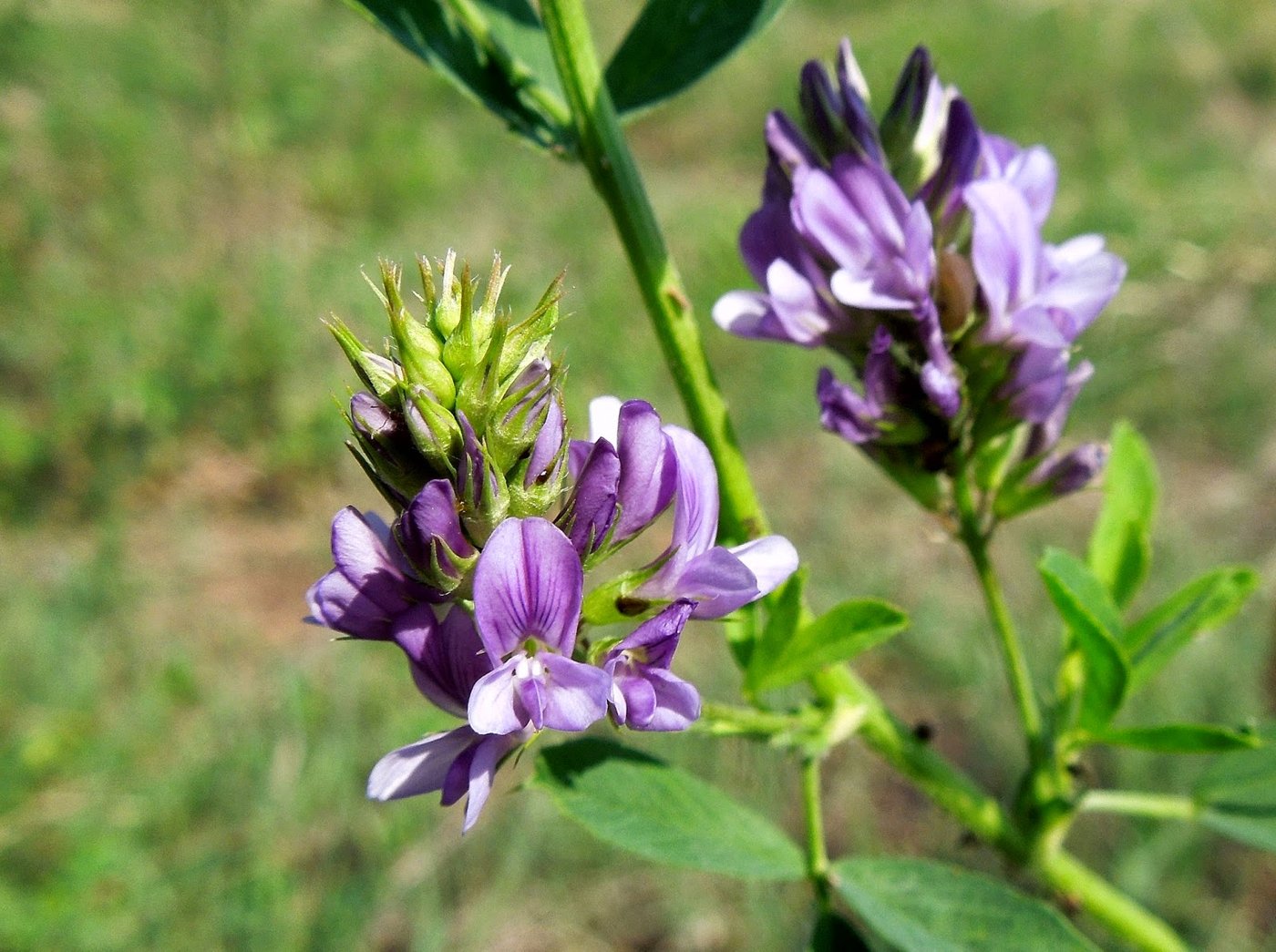
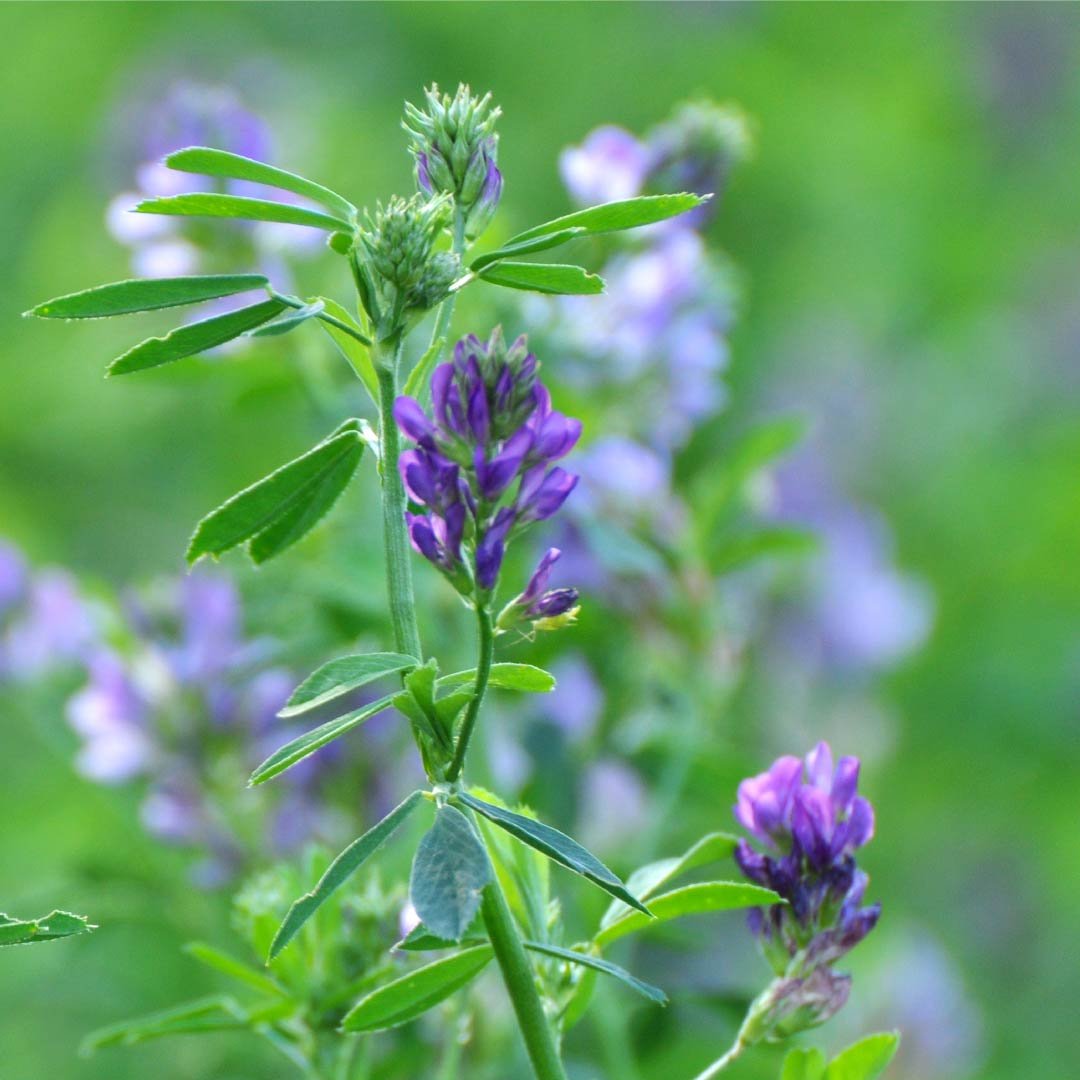
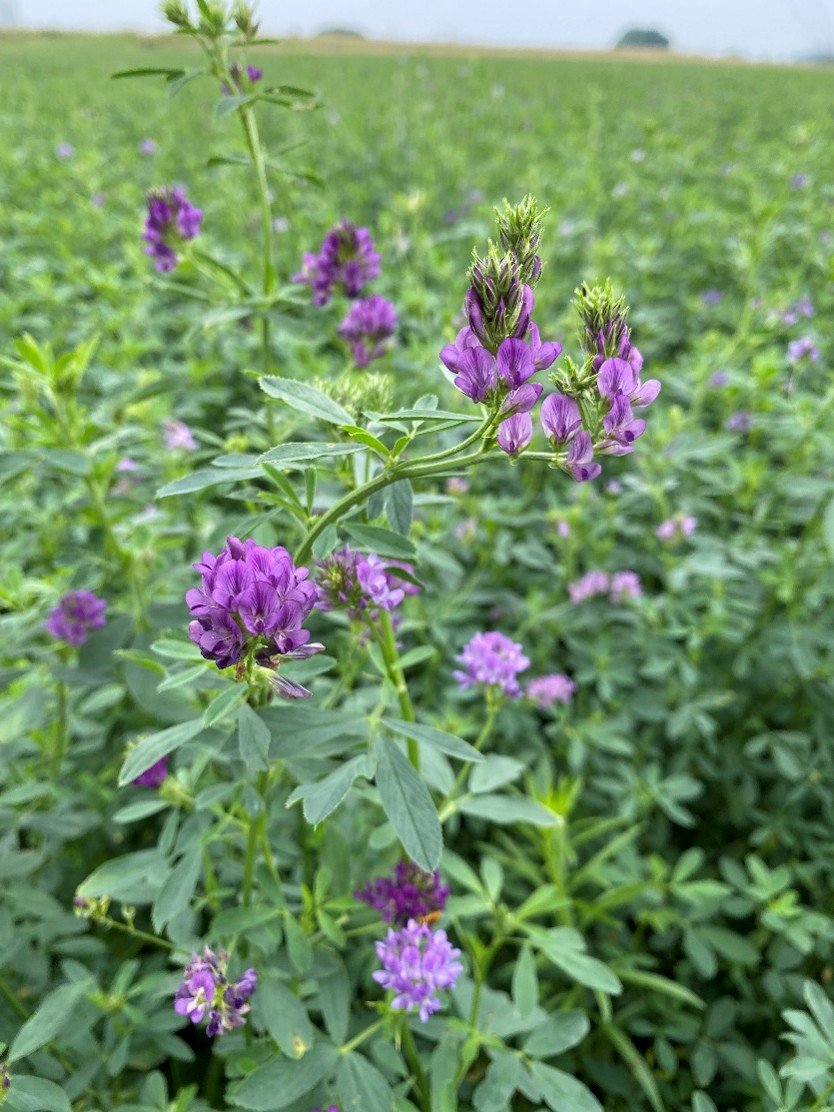
| Name | Country | Maturity | Traits |
|---|---|---|---|
| Multicut lucerne selection | KE | 365 | Good persistence under cutting, suited to irrigated highland dairies. |
| Dryland-tolerant alfalfa type | TZ | 365 | Better persistence and yield in drier mid-altitude sites. |
| Local lucerne/alfalfa landrace | UG | 365 | Adapted to smallholder dairies and mixed cropping systems. |
| Multicut lucerne selection | KE | 365 | Good persistence under cutting, suited to irrigated highland dairies. |
| Dryland-tolerant alfalfa type | TZ | 365 | Better persistence and yield in drier mid-altitude sites. |
| Local lucerne/alfalfa landrace | UG | 365 | Adapted to smallholder dairies and mixed cropping systems. |
| Multicut lucerne selection | KE | 365 | Good persistence under cutting, suited to irrigated highland dairies. |
| Dryland-tolerant alfalfa type | TZ | 365 | Better persistence and yield in drier mid-altitude sites. |
| Local lucerne/alfalfa landrace | UG | 365 | Adapted to smallholder dairies and mixed cropping systems. |
| Multicut lucerne selection | KE | 365 | Good persistence under cutting, suited to irrigated highland dairies. |
| Dryland-tolerant alfalfa type | TZ | 365 | Better persistence and yield in drier mid-altitude sites. |
| Local lucerne/alfalfa landrace | UG | 365 | Adapted to smallholder dairies and mixed cropping systems. |
| Multicut lucerne selection | KE | 365 | Good persistence under cutting, suited to irrigated highland dairies. |
| Dryland-tolerant alfalfa type | TZ | 365 | Better persistence and yield in drier mid-altitude sites. |
| Local lucerne/alfalfa landrace | UG | 365 | Adapted to smallholder dairies and mixed cropping systems. |
| Multicut lucerne selection | KE | 365 | Good persistence under cutting, suited to irrigated highland dairies. |
| Dryland-tolerant alfalfa type | TZ | 365 | Better persistence and yield in drier mid-altitude sites. |
| Local lucerne/alfalfa landrace | UG | 365 | Adapted to smallholder dairies and mixed cropping systems. |
| Multicut lucerne selection | KE | 365 | Good persistence under cutting, suited to irrigated highland dairies. |
| Dryland-tolerant alfalfa type | TZ | 365 | Better persistence and yield in drier mid-altitude sites. |
| Local lucerne/alfalfa landrace | UG | 365 | Adapted to smallholder dairies and mixed cropping systems. |
| Multicut lucerne selection | KE | 365 | Good persistence under cutting, suited to irrigated highland dairies. |
| Dryland-tolerant alfalfa type | TZ | 365 | Better persistence and yield in drier mid-altitude sites. |
| Local lucerne/alfalfa landrace | UG | 365 | Adapted to smallholder dairies and mixed cropping systems. |
| Multicut lucerne selection | KE | 365 | Good persistence under cutting, suited to irrigated highland dairies. |
| Dryland-tolerant alfalfa type | TZ | 365 | Better persistence and yield in drier mid-altitude sites. |
| Local lucerne/alfalfa landrace | UG | 365 | Adapted to smallholder dairies and mixed cropping systems. |
| Multicut lucerne selection | KE | 365 | Good persistence under cutting, suited to irrigated highland dairies. |
| Dryland-tolerant alfalfa type | TZ | 365 | Better persistence and yield in drier mid-altitude sites. |
| Local lucerne/alfalfa landrace | UG | 365 | Adapted to smallholder dairies and mixed cropping systems. |
| Multicut lucerne selection | KE | 365 | Good persistence under cutting, suited to irrigated highland dairies. |
| Dryland-tolerant alfalfa type | TZ | 365 | Better persistence and yield in drier mid-altitude sites. |
| Local lucerne/alfalfa landrace | UG | 365 | Adapted to smallholder dairies and mixed cropping systems. |
| Multicut lucerne selection | KE | 365 | Good persistence under cutting, suited to irrigated highland dairies. |
| Dryland-tolerant alfalfa type | TZ | 365 | Better persistence and yield in drier mid-altitude sites. |
| Local lucerne/alfalfa landrace | UG | 365 | Adapted to smallholder dairies and mixed cropping systems. |
| Multicut lucerne selection | KE | 365 | Good persistence under cutting, suited to irrigated highland dairies. |
| Dryland-tolerant alfalfa type | TZ | 365 | Better persistence and yield in drier mid-altitude sites. |
| Local lucerne/alfalfa landrace | UG | 365 | Adapted to smallholder dairies and mixed cropping systems. |
| Multicut lucerne selection | KE | 365 | Good persistence under cutting, suited to irrigated highland dairies. |
| Dryland-tolerant alfalfa type | TZ | 365 | Better persistence and yield in drier mid-altitude sites. |
| Local lucerne/alfalfa landrace | UG | 365 | Adapted to smallholder dairies and mixed cropping systems. |
| Multicut lucerne selection | KE | 365 | Good persistence under cutting, suited to irrigated highland dairies. |
| Dryland-tolerant alfalfa type | TZ | 365 | Better persistence and yield in drier mid-altitude sites. |
| Local lucerne/alfalfa landrace | UG | 365 | Adapted to smallholder dairies and mixed cropping systems. |
| Multicut lucerne selection | KE | 365 | Good persistence under cutting, suited to irrigated highland dairies. |
| Dryland-tolerant alfalfa type | TZ | 365 | Better persistence and yield in drier mid-altitude sites. |
| Local lucerne/alfalfa landrace | UG | 365 | Adapted to smallholder dairies and mixed cropping systems. |
| Stage | Product | Rate (kg/ha) | Notes |
|---|---|---|---|
| Basal | NPK 10-20-20 (or similar) | 150 | Apply and incorporate before seeding; combine with lime or manure according to soil tests. |
| Production (between cuts) | PK blend (e.g. 0-20-20) | 100 | Apply after one of the early cuts once stand is well established. |
| K replenishment | MOP (KCl) or sulfate of potash | 80 | Use on intensively cut or hay-export fields with high K removal. |
| Basal | NPK 10-20-20 (or similar) | 150 | Apply and incorporate before seeding; combine with lime or manure according to soil tests. |
| Production (between cuts) | PK blend (e.g. 0-20-20) | 100 | Apply after one of the early cuts once stand is well established. |
| K replenishment | MOP (KCl) or sulfate of potash | 80 | Use on intensively cut or hay-export fields with high K removal. |
| Basal | NPK 10-20-20 (or similar) | 150 | Apply and incorporate before seeding; combine with lime or manure according to soil tests. |
| Production (between cuts) | PK blend (e.g. 0-20-20) | 100 | Apply after one of the early cuts once stand is well established. |
| K replenishment | MOP (KCl) or sulfate of potash | 80 | Use on intensively cut or hay-export fields with high K removal. |
| Basal | NPK 10-20-20 (or similar) | 150 | Apply and incorporate before seeding; combine with lime or manure according to soil tests. |
| Production (between cuts) | PK blend (e.g. 0-20-20) | 100 | Apply after one of the early cuts once stand is well established. |
| K replenishment | MOP (KCl) or sulfate of potash | 80 | Use on intensively cut or hay-export fields with high K removal. |
| Basal | NPK 10-20-20 (or similar) | 150 | Apply and incorporate before seeding; combine with lime or manure according to soil tests. |
| Production (between cuts) | PK blend (e.g. 0-20-20) | 100 | Apply after one of the early cuts once stand is well established. |
| K replenishment | MOP (KCl) or sulfate of potash | 80 | Use on intensively cut or hay-export fields with high K removal. |
| Basal | NPK 10-20-20 (or similar) | 150 | Apply and incorporate before seeding; combine with lime or manure according to soil tests. |
| Production (between cuts) | PK blend (e.g. 0-20-20) | 100 | Apply after one of the early cuts once stand is well established. |
| K replenishment | MOP (KCl) or sulfate of potash | 80 | Use on intensively cut or hay-export fields with high K removal. |
| Basal | NPK 10-20-20 (or similar) | 150 | Apply and incorporate before seeding; combine with lime or manure according to soil tests. |
| Production (between cuts) | PK blend (e.g. 0-20-20) | 100 | Apply after one of the early cuts once stand is well established. |
| K replenishment | MOP (KCl) or sulfate of potash | 80 | Use on intensively cut or hay-export fields with high K removal. |
| Basal | NPK 10-20-20 (or similar) | 150 | Apply and incorporate before seeding; combine with lime or manure according to soil tests. |
| Production (between cuts) | PK blend (e.g. 0-20-20) | 100 | Apply after one of the early cuts once stand is well established. |
| K replenishment | MOP (KCl) or sulfate of potash | 80 | Use on intensively cut or hay-export fields with high K removal. |
| Basal | NPK 10-20-20 (or similar) | 150 | Apply and incorporate before seeding; combine with lime or manure according to soil tests. |
| Production (between cuts) | PK blend (e.g. 0-20-20) | 100 | Apply after one of the early cuts once stand is well established. |
| K replenishment | MOP (KCl) or sulfate of potash | 80 | Use on intensively cut or hay-export fields with high K removal. |
| Basal | NPK 10-20-20 (or similar) | 150 | Apply and incorporate before seeding; combine with lime or manure according to soil tests. |
| Production (between cuts) | PK blend (e.g. 0-20-20) | 100 | Apply after one of the early cuts once stand is well established. |
| K replenishment | MOP (KCl) or sulfate of potash | 80 | Use on intensively cut or hay-export fields with high K removal. |
| Basal | NPK 10-20-20 (or similar) | 150 | Apply and incorporate before seeding; combine with lime or manure according to soil tests. |
| Production (between cuts) | PK blend (e.g. 0-20-20) | 100 | Apply after one of the early cuts once stand is well established. |
| K replenishment | MOP (KCl) or sulfate of potash | 80 | Use on intensively cut or hay-export fields with high K removal. |
| Basal | NPK 10-20-20 (or similar) | 150 | Apply and incorporate before seeding; combine with lime or manure according to soil tests. |
| Production (between cuts) | PK blend (e.g. 0-20-20) | 100 | Apply after one of the early cuts once stand is well established. |
| K replenishment | MOP (KCl) or sulfate of potash | 80 | Use on intensively cut or hay-export fields with high K removal. |
| Basal | NPK 10-20-20 (or similar) | 150 | Apply and incorporate before seeding; combine with lime or manure according to soil tests. |
| Production (between cuts) | PK blend (e.g. 0-20-20) | 100 | Apply after one of the early cuts once stand is well established. |
| K replenishment | MOP (KCl) or sulfate of potash | 80 | Use on intensively cut or hay-export fields with high K removal. |
| Basal | NPK 10-20-20 (or similar) | 150 | Apply and incorporate before seeding; combine with lime or manure according to soil tests. |
| Production (between cuts) | PK blend (e.g. 0-20-20) | 100 | Apply after one of the early cuts once stand is well established. |
| K replenishment | MOP (KCl) or sulfate of potash | 80 | Use on intensively cut or hay-export fields with high K removal. |
| Basal | NPK 10-20-20 (or similar) | 150 | Apply and incorporate before seeding; combine with lime or manure according to soil tests. |
| Production (between cuts) | PK blend (e.g. 0-20-20) | 100 | Apply after one of the early cuts once stand is well established. |
| K replenishment | MOP (KCl) or sulfate of potash | 80 | Use on intensively cut or hay-export fields with high K removal. |
| Basal | NPK 10-20-20 (or similar) | 150 | Apply and incorporate before seeding; combine with lime or manure according to soil tests. |
| Production (between cuts) | PK blend (e.g. 0-20-20) | 100 | Apply after one of the early cuts once stand is well established. |
| K replenishment | MOP (KCl) or sulfate of potash | 80 | Use on intensively cut or hay-export fields with high K removal. |
| Name | Type | Symptoms | Management |
|---|---|---|---|
| Aphids | pest | Clusters on stems and undersides of leaves, honeydew and sooty mould, reduced vigour. | Encourage natural enemies; avoid stress from drought or overgrazing; cut heavily infested stands earlier if needed. |
| Alfalfa weevils / leaf-chewing weevils (local complexes) | pest | Chewed leaves, skeletonisation and reduced leaf area; yield decline in severe attacks. | Monitoring near early spring/flush growth, timely cutting, conserve predators and parasitoids. |
| Leafhoppers | pest | “Hopperburn”: yellowing and tip burn, stunted growth, reduced regrowth after cutting. | Avoid mowing only very short stubble that stresses plants; rotate and maintain diverse swards; treat only severe outbrea... |
| Root and crown rots | disease | Thinning stands, stunted plants, rotted crowns and discoloured taproots. | Ensure good drainage, avoid waterlogging, allow recovery periods between cuts/grazing and rotate stands after several ye... |
| Leaf spots / blights | disease | Small brown or black spots on leaves, premature leaf drop, loss of quality in older leaves. | Promote airflow with appropriate cutting/stand density, avoid excessive late irrigation and remove very old, diseased st... |
| Nodule failure / poor rhizobia | disorder | Pale, stunted plants with few nodules on roots; nodules pale instead of pink/red inside. | Use high-quality inoculated seed or peat inoculant, avoid acidic soils (lime where needed) and minimise unnecessary N fe... |
| Aphids | pest | Clusters on stems and undersides of leaves, honeydew and sooty mould, reduced vigour. | Encourage natural enemies; avoid stress from drought or overgrazing; cut heavily infested stands earlier if needed. |
| Alfalfa weevils / leaf-chewing weevils (local complexes) | pest | Chewed leaves, skeletonisation and reduced leaf area; yield decline in severe attacks. | Monitoring near early spring/flush growth, timely cutting, conserve predators and parasitoids. |
| Leafhoppers | pest | “Hopperburn”: yellowing and tip burn, stunted growth, reduced regrowth after cutting. | Avoid mowing only very short stubble that stresses plants; rotate and maintain diverse swards; treat only severe outbrea... |
| Root and crown rots | disease | Thinning stands, stunted plants, rotted crowns and discoloured taproots. | Ensure good drainage, avoid waterlogging, allow recovery periods between cuts/grazing and rotate stands after several ye... |
| Leaf spots / blights | disease | Small brown or black spots on leaves, premature leaf drop, loss of quality in older leaves. | Promote airflow with appropriate cutting/stand density, avoid excessive late irrigation and remove very old, diseased st... |
| Nodule failure / poor rhizobia | disorder | Pale, stunted plants with few nodules on roots; nodules pale instead of pink/red inside. | Use high-quality inoculated seed or peat inoculant, avoid acidic soils (lime where needed) and minimise unnecessary N fe... |
| Aphids | pest | Clusters on stems and undersides of leaves, honeydew and sooty mould, reduced vigour. | Encourage natural enemies; avoid stress from drought or overgrazing; cut heavily infested stands earlier if needed. |
| Alfalfa weevils / leaf-chewing weevils (local complexes) | pest | Chewed leaves, skeletonisation and reduced leaf area; yield decline in severe attacks. | Monitoring near early spring/flush growth, timely cutting, conserve predators and parasitoids. |
| Leafhoppers | pest | “Hopperburn”: yellowing and tip burn, stunted growth, reduced regrowth after cutting. | Avoid mowing only very short stubble that stresses plants; rotate and maintain diverse swards; treat only severe outbrea... |
| Root and crown rots | disease | Thinning stands, stunted plants, rotted crowns and discoloured taproots. | Ensure good drainage, avoid waterlogging, allow recovery periods between cuts/grazing and rotate stands after several ye... |
| Leaf spots / blights | disease | Small brown or black spots on leaves, premature leaf drop, loss of quality in older leaves. | Promote airflow with appropriate cutting/stand density, avoid excessive late irrigation and remove very old, diseased st... |
| Nodule failure / poor rhizobia | disorder | Pale, stunted plants with few nodules on roots; nodules pale instead of pink/red inside. | Use high-quality inoculated seed or peat inoculant, avoid acidic soils (lime where needed) and minimise unnecessary N fe... |
| Aphids | pest | Clusters on stems and undersides of leaves, honeydew and sooty mould, reduced vigour. | Encourage natural enemies; avoid stress from drought or overgrazing; cut heavily infested stands earlier if needed. |
| Alfalfa weevils / leaf-chewing weevils (local complexes) | pest | Chewed leaves, skeletonisation and reduced leaf area; yield decline in severe attacks. | Monitoring near early spring/flush growth, timely cutting, conserve predators and parasitoids. |
| Leafhoppers | pest | “Hopperburn”: yellowing and tip burn, stunted growth, reduced regrowth after cutting. | Avoid mowing only very short stubble that stresses plants; rotate and maintain diverse swards; treat only severe outbrea... |
| Root and crown rots | disease | Thinning stands, stunted plants, rotted crowns and discoloured taproots. | Ensure good drainage, avoid waterlogging, allow recovery periods between cuts/grazing and rotate stands after several ye... |
| Leaf spots / blights | disease | Small brown or black spots on leaves, premature leaf drop, loss of quality in older leaves. | Promote airflow with appropriate cutting/stand density, avoid excessive late irrigation and remove very old, diseased st... |
| Nodule failure / poor rhizobia | disorder | Pale, stunted plants with few nodules on roots; nodules pale instead of pink/red inside. | Use high-quality inoculated seed or peat inoculant, avoid acidic soils (lime where needed) and minimise unnecessary N fe... |
| Aphids | pest | Clusters on stems and undersides of leaves, honeydew and sooty mould, reduced vigour. | Encourage natural enemies; avoid stress from drought or overgrazing; cut heavily infested stands earlier if needed. |
| Alfalfa weevils / leaf-chewing weevils (local complexes) | pest | Chewed leaves, skeletonisation and reduced leaf area; yield decline in severe attacks. | Monitoring near early spring/flush growth, timely cutting, conserve predators and parasitoids. |
| Leafhoppers | pest | “Hopperburn”: yellowing and tip burn, stunted growth, reduced regrowth after cutting. | Avoid mowing only very short stubble that stresses plants; rotate and maintain diverse swards; treat only severe outbrea... |
| Root and crown rots | disease | Thinning stands, stunted plants, rotted crowns and discoloured taproots. | Ensure good drainage, avoid waterlogging, allow recovery periods between cuts/grazing and rotate stands after several ye... |
| Leaf spots / blights | disease | Small brown or black spots on leaves, premature leaf drop, loss of quality in older leaves. | Promote airflow with appropriate cutting/stand density, avoid excessive late irrigation and remove very old, diseased st... |
| Nodule failure / poor rhizobia | disorder | Pale, stunted plants with few nodules on roots; nodules pale instead of pink/red inside. | Use high-quality inoculated seed or peat inoculant, avoid acidic soils (lime where needed) and minimise unnecessary N fe... |
| Aphids | pest | Clusters on stems and undersides of leaves, honeydew and sooty mould, reduced vigour. | Encourage natural enemies; avoid stress from drought or overgrazing; cut heavily infested stands earlier if needed. |
| Alfalfa weevils / leaf-chewing weevils (local complexes) | pest | Chewed leaves, skeletonisation and reduced leaf area; yield decline in severe attacks. | Monitoring near early spring/flush growth, timely cutting, conserve predators and parasitoids. |
| Leafhoppers | pest | “Hopperburn”: yellowing and tip burn, stunted growth, reduced regrowth after cutting. | Avoid mowing only very short stubble that stresses plants; rotate and maintain diverse swards; treat only severe outbrea... |
| Root and crown rots | disease | Thinning stands, stunted plants, rotted crowns and discoloured taproots. | Ensure good drainage, avoid waterlogging, allow recovery periods between cuts/grazing and rotate stands after several ye... |
| Leaf spots / blights | disease | Small brown or black spots on leaves, premature leaf drop, loss of quality in older leaves. | Promote airflow with appropriate cutting/stand density, avoid excessive late irrigation and remove very old, diseased st... |
| Nodule failure / poor rhizobia | disorder | Pale, stunted plants with few nodules on roots; nodules pale instead of pink/red inside. | Use high-quality inoculated seed or peat inoculant, avoid acidic soils (lime where needed) and minimise unnecessary N fe... |
| Aphids | pest | Clusters on stems and undersides of leaves, honeydew and sooty mould, reduced vigour. | Encourage natural enemies; avoid stress from drought or overgrazing; cut heavily infested stands earlier if needed. |
| Alfalfa weevils / leaf-chewing weevils (local complexes) | pest | Chewed leaves, skeletonisation and reduced leaf area; yield decline in severe attacks. | Monitoring near early spring/flush growth, timely cutting, conserve predators and parasitoids. |
| Leafhoppers | pest | “Hopperburn”: yellowing and tip burn, stunted growth, reduced regrowth after cutting. | Avoid mowing only very short stubble that stresses plants; rotate and maintain diverse swards; treat only severe outbrea... |
| Root and crown rots | disease | Thinning stands, stunted plants, rotted crowns and discoloured taproots. | Ensure good drainage, avoid waterlogging, allow recovery periods between cuts/grazing and rotate stands after several ye... |
| Leaf spots / blights | disease | Small brown or black spots on leaves, premature leaf drop, loss of quality in older leaves. | Promote airflow with appropriate cutting/stand density, avoid excessive late irrigation and remove very old, diseased st... |
| Nodule failure / poor rhizobia | disorder | Pale, stunted plants with few nodules on roots; nodules pale instead of pink/red inside. | Use high-quality inoculated seed or peat inoculant, avoid acidic soils (lime where needed) and minimise unnecessary N fe... |
| Aphids | pest | Clusters on stems and undersides of leaves, honeydew and sooty mould, reduced vigour. | Encourage natural enemies; avoid stress from drought or overgrazing; cut heavily infested stands earlier if needed. |
| Alfalfa weevils / leaf-chewing weevils (local complexes) | pest | Chewed leaves, skeletonisation and reduced leaf area; yield decline in severe attacks. | Monitoring near early spring/flush growth, timely cutting, conserve predators and parasitoids. |
| Leafhoppers | pest | “Hopperburn”: yellowing and tip burn, stunted growth, reduced regrowth after cutting. | Avoid mowing only very short stubble that stresses plants; rotate and maintain diverse swards; treat only severe outbrea... |
| Root and crown rots | disease | Thinning stands, stunted plants, rotted crowns and discoloured taproots. | Ensure good drainage, avoid waterlogging, allow recovery periods between cuts/grazing and rotate stands after several ye... |
| Leaf spots / blights | disease | Small brown or black spots on leaves, premature leaf drop, loss of quality in older leaves. | Promote airflow with appropriate cutting/stand density, avoid excessive late irrigation and remove very old, diseased st... |
| Nodule failure / poor rhizobia | disorder | Pale, stunted plants with few nodules on roots; nodules pale instead of pink/red inside. | Use high-quality inoculated seed or peat inoculant, avoid acidic soils (lime where needed) and minimise unnecessary N fe... |
| Aphids | pest | Clusters on stems and undersides of leaves, honeydew and sooty mould, reduced vigour. | Encourage natural enemies; avoid stress from drought or overgrazing; cut heavily infested stands earlier if needed. |
| Alfalfa weevils / leaf-chewing weevils (local complexes) | pest | Chewed leaves, skeletonisation and reduced leaf area; yield decline in severe attacks. | Monitoring near early spring/flush growth, timely cutting, conserve predators and parasitoids. |
| Leafhoppers | pest | “Hopperburn”: yellowing and tip burn, stunted growth, reduced regrowth after cutting. | Avoid mowing only very short stubble that stresses plants; rotate and maintain diverse swards; treat only severe outbrea... |
| Root and crown rots | disease | Thinning stands, stunted plants, rotted crowns and discoloured taproots. | Ensure good drainage, avoid waterlogging, allow recovery periods between cuts/grazing and rotate stands after several ye... |
| Leaf spots / blights | disease | Small brown or black spots on leaves, premature leaf drop, loss of quality in older leaves. | Promote airflow with appropriate cutting/stand density, avoid excessive late irrigation and remove very old, diseased st... |
| Nodule failure / poor rhizobia | disorder | Pale, stunted plants with few nodules on roots; nodules pale instead of pink/red inside. | Use high-quality inoculated seed or peat inoculant, avoid acidic soils (lime where needed) and minimise unnecessary N fe... |
| Aphids | pest | Clusters on stems and undersides of leaves, honeydew and sooty mould, reduced vigour. | Encourage natural enemies; avoid stress from drought or overgrazing; cut heavily infested stands earlier if needed. |
| Alfalfa weevils / leaf-chewing weevils (local complexes) | pest | Chewed leaves, skeletonisation and reduced leaf area; yield decline in severe attacks. | Monitoring near early spring/flush growth, timely cutting, conserve predators and parasitoids. |
| Leafhoppers | pest | “Hopperburn”: yellowing and tip burn, stunted growth, reduced regrowth after cutting. | Avoid mowing only very short stubble that stresses plants; rotate and maintain diverse swards; treat only severe outbrea... |
| Root and crown rots | disease | Thinning stands, stunted plants, rotted crowns and discoloured taproots. | Ensure good drainage, avoid waterlogging, allow recovery periods between cuts/grazing and rotate stands after several ye... |
| Leaf spots / blights | disease | Small brown or black spots on leaves, premature leaf drop, loss of quality in older leaves. | Promote airflow with appropriate cutting/stand density, avoid excessive late irrigation and remove very old, diseased st... |
| Nodule failure / poor rhizobia | disorder | Pale, stunted plants with few nodules on roots; nodules pale instead of pink/red inside. | Use high-quality inoculated seed or peat inoculant, avoid acidic soils (lime where needed) and minimise unnecessary N fe... |
| Aphids | pest | Clusters on stems and undersides of leaves, honeydew and sooty mould, reduced vigour. | Encourage natural enemies; avoid stress from drought or overgrazing; cut heavily infested stands earlier if needed. |
| Alfalfa weevils / leaf-chewing weevils (local complexes) | pest | Chewed leaves, skeletonisation and reduced leaf area; yield decline in severe attacks. | Monitoring near early spring/flush growth, timely cutting, conserve predators and parasitoids. |
| Leafhoppers | pest | “Hopperburn”: yellowing and tip burn, stunted growth, reduced regrowth after cutting. | Avoid mowing only very short stubble that stresses plants; rotate and maintain diverse swards; treat only severe outbrea... |
| Root and crown rots | disease | Thinning stands, stunted plants, rotted crowns and discoloured taproots. | Ensure good drainage, avoid waterlogging, allow recovery periods between cuts/grazing and rotate stands after several ye... |
| Leaf spots / blights | disease | Small brown or black spots on leaves, premature leaf drop, loss of quality in older leaves. | Promote airflow with appropriate cutting/stand density, avoid excessive late irrigation and remove very old, diseased st... |
| Nodule failure / poor rhizobia | disorder | Pale, stunted plants with few nodules on roots; nodules pale instead of pink/red inside. | Use high-quality inoculated seed or peat inoculant, avoid acidic soils (lime where needed) and minimise unnecessary N fe... |
| Aphids | pest | Clusters on stems and undersides of leaves, honeydew and sooty mould, reduced vigour. | Encourage natural enemies; avoid stress from drought or overgrazing; cut heavily infested stands earlier if needed. |
| Alfalfa weevils / leaf-chewing weevils (local complexes) | pest | Chewed leaves, skeletonisation and reduced leaf area; yield decline in severe attacks. | Monitoring near early spring/flush growth, timely cutting, conserve predators and parasitoids. |
| Leafhoppers | pest | “Hopperburn”: yellowing and tip burn, stunted growth, reduced regrowth after cutting. | Avoid mowing only very short stubble that stresses plants; rotate and maintain diverse swards; treat only severe outbrea... |
| Root and crown rots | disease | Thinning stands, stunted plants, rotted crowns and discoloured taproots. | Ensure good drainage, avoid waterlogging, allow recovery periods between cuts/grazing and rotate stands after several ye... |
| Leaf spots / blights | disease | Small brown or black spots on leaves, premature leaf drop, loss of quality in older leaves. | Promote airflow with appropriate cutting/stand density, avoid excessive late irrigation and remove very old, diseased st... |
| Nodule failure / poor rhizobia | disorder | Pale, stunted plants with few nodules on roots; nodules pale instead of pink/red inside. | Use high-quality inoculated seed or peat inoculant, avoid acidic soils (lime where needed) and minimise unnecessary N fe... |
| Aphids | pest | Clusters on stems and undersides of leaves, honeydew and sooty mould, reduced vigour. | Encourage natural enemies; avoid stress from drought or overgrazing; cut heavily infested stands earlier if needed. |
| Alfalfa weevils / leaf-chewing weevils (local complexes) | pest | Chewed leaves, skeletonisation and reduced leaf area; yield decline in severe attacks. | Monitoring near early spring/flush growth, timely cutting, conserve predators and parasitoids. |
| Leafhoppers | pest | “Hopperburn”: yellowing and tip burn, stunted growth, reduced regrowth after cutting. | Avoid mowing only very short stubble that stresses plants; rotate and maintain diverse swards; treat only severe outbrea... |
| Root and crown rots | disease | Thinning stands, stunted plants, rotted crowns and discoloured taproots. | Ensure good drainage, avoid waterlogging, allow recovery periods between cuts/grazing and rotate stands after several ye... |
| Leaf spots / blights | disease | Small brown or black spots on leaves, premature leaf drop, loss of quality in older leaves. | Promote airflow with appropriate cutting/stand density, avoid excessive late irrigation and remove very old, diseased st... |
| Nodule failure / poor rhizobia | disorder | Pale, stunted plants with few nodules on roots; nodules pale instead of pink/red inside. | Use high-quality inoculated seed or peat inoculant, avoid acidic soils (lime where needed) and minimise unnecessary N fe... |
| Aphids | pest | Clusters on stems and undersides of leaves, honeydew and sooty mould, reduced vigour. | Encourage natural enemies; avoid stress from drought or overgrazing; cut heavily infested stands earlier if needed. |
| Alfalfa weevils / leaf-chewing weevils (local complexes) | pest | Chewed leaves, skeletonisation and reduced leaf area; yield decline in severe attacks. | Monitoring near early spring/flush growth, timely cutting, conserve predators and parasitoids. |
| Leafhoppers | pest | “Hopperburn”: yellowing and tip burn, stunted growth, reduced regrowth after cutting. | Avoid mowing only very short stubble that stresses plants; rotate and maintain diverse swards; treat only severe outbrea... |
| Root and crown rots | disease | Thinning stands, stunted plants, rotted crowns and discoloured taproots. | Ensure good drainage, avoid waterlogging, allow recovery periods between cuts/grazing and rotate stands after several ye... |
| Leaf spots / blights | disease | Small brown or black spots on leaves, premature leaf drop, loss of quality in older leaves. | Promote airflow with appropriate cutting/stand density, avoid excessive late irrigation and remove very old, diseased st... |
| Nodule failure / poor rhizobia | disorder | Pale, stunted plants with few nodules on roots; nodules pale instead of pink/red inside. | Use high-quality inoculated seed or peat inoculant, avoid acidic soils (lime where needed) and minimise unnecessary N fe... |
| Aphids | pest | Clusters on stems and undersides of leaves, honeydew and sooty mould, reduced vigour. | Encourage natural enemies; avoid stress from drought or overgrazing; cut heavily infested stands earlier if needed. |
| Alfalfa weevils / leaf-chewing weevils (local complexes) | pest | Chewed leaves, skeletonisation and reduced leaf area; yield decline in severe attacks. | Monitoring near early spring/flush growth, timely cutting, conserve predators and parasitoids. |
| Leafhoppers | pest | “Hopperburn”: yellowing and tip burn, stunted growth, reduced regrowth after cutting. | Avoid mowing only very short stubble that stresses plants; rotate and maintain diverse swards; treat only severe outbrea... |
| Root and crown rots | disease | Thinning stands, stunted plants, rotted crowns and discoloured taproots. | Ensure good drainage, avoid waterlogging, allow recovery periods between cuts/grazing and rotate stands after several ye... |
| Leaf spots / blights | disease | Small brown or black spots on leaves, premature leaf drop, loss of quality in older leaves. | Promote airflow with appropriate cutting/stand density, avoid excessive late irrigation and remove very old, diseased st... |
| Nodule failure / poor rhizobia | disorder | Pale, stunted plants with few nodules on roots; nodules pale instead of pink/red inside. | Use high-quality inoculated seed or peat inoculant, avoid acidic soils (lime where needed) and minimise unnecessary N fe... |
| Aphids | pest | Clusters on stems and undersides of leaves, honeydew and sooty mould, reduced vigour. | Encourage natural enemies; avoid stress from drought or overgrazing; cut heavily infested stands earlier if needed. |
| Alfalfa weevils / leaf-chewing weevils (local complexes) | pest | Chewed leaves, skeletonisation and reduced leaf area; yield decline in severe attacks. | Monitoring near early spring/flush growth, timely cutting, conserve predators and parasitoids. |
| Leafhoppers | pest | “Hopperburn”: yellowing and tip burn, stunted growth, reduced regrowth after cutting. | Avoid mowing only very short stubble that stresses plants; rotate and maintain diverse swards; treat only severe outbrea... |
| Root and crown rots | disease | Thinning stands, stunted plants, rotted crowns and discoloured taproots. | Ensure good drainage, avoid waterlogging, allow recovery periods between cuts/grazing and rotate stands after several ye... |
| Leaf spots / blights | disease | Small brown or black spots on leaves, premature leaf drop, loss of quality in older leaves. | Promote airflow with appropriate cutting/stand density, avoid excessive late irrigation and remove very old, diseased st... |
| Nodule failure / poor rhizobia | disorder | Pale, stunted plants with few nodules on roots; nodules pale instead of pink/red inside. | Use high-quality inoculated seed or peat inoculant, avoid acidic soils (lime where needed) and minimise unnecessary N fe... |
| System | Typical | Min | Max | Notes |
|---|---|---|---|---|
| Low-input rainfed (hay, DM basis) | 5 | 3 | 7 | 2–3 cuts per year, moderate stand density and limited fertilization on upland sites. |
| Managed irrigated or high rainfall (hay, DM) | 8 | 6 | 12 | 3–6 cuts per year with good fertility and weed control. |
| Intensive dairy forage (hay/silage, DM) | 14 | 10 | 18 | High-density stands under irrigation with multiple cuts and strong fertility/stand management. |
| Low-input rainfed (hay, DM basis) | 5 | 3 | 7 | 2–3 cuts per year, moderate stand density and limited fertilization on upland sites. |
| Managed irrigated or high rainfall (hay, DM) | 8 | 6 | 12 | 3–6 cuts per year with good fertility and weed control. |
| Intensive dairy forage (hay/silage, DM) | 14 | 10 | 18 | High-density stands under irrigation with multiple cuts and strong fertility/stand management. |
| Low-input rainfed (hay, DM basis) | 5 | 3 | 7 | 2–3 cuts per year, moderate stand density and limited fertilization on upland sites. |
| Managed irrigated or high rainfall (hay, DM) | 8 | 6 | 12 | 3–6 cuts per year with good fertility and weed control. |
| Intensive dairy forage (hay/silage, DM) | 14 | 10 | 18 | High-density stands under irrigation with multiple cuts and strong fertility/stand management. |
| Low-input rainfed (hay, DM basis) | 5 | 3 | 7 | 2–3 cuts per year, moderate stand density and limited fertilization on upland sites. |
| Managed irrigated or high rainfall (hay, DM) | 8 | 6 | 12 | 3–6 cuts per year with good fertility and weed control. |
| Intensive dairy forage (hay/silage, DM) | 14 | 10 | 18 | High-density stands under irrigation with multiple cuts and strong fertility/stand management. |
| Low-input rainfed (hay, DM basis) | 5 | 3 | 7 | 2–3 cuts per year, moderate stand density and limited fertilization on upland sites. |
| Managed irrigated or high rainfall (hay, DM) | 8 | 6 | 12 | 3–6 cuts per year with good fertility and weed control. |
| Intensive dairy forage (hay/silage, DM) | 14 | 10 | 18 | High-density stands under irrigation with multiple cuts and strong fertility/stand management. |
| Low-input rainfed (hay, DM basis) | 5 | 3 | 7 | 2–3 cuts per year, moderate stand density and limited fertilization on upland sites. |
| Managed irrigated or high rainfall (hay, DM) | 8 | 6 | 12 | 3–6 cuts per year with good fertility and weed control. |
| Intensive dairy forage (hay/silage, DM) | 14 | 10 | 18 | High-density stands under irrigation with multiple cuts and strong fertility/stand management. |
| Low-input rainfed (hay, DM basis) | 5 | 3 | 7 | 2–3 cuts per year, moderate stand density and limited fertilization on upland sites. |
| Managed irrigated or high rainfall (hay, DM) | 8 | 6 | 12 | 3–6 cuts per year with good fertility and weed control. |
| Intensive dairy forage (hay/silage, DM) | 14 | 10 | 18 | High-density stands under irrigation with multiple cuts and strong fertility/stand management. |
| Low-input rainfed (hay, DM basis) | 5 | 3 | 7 | 2–3 cuts per year, moderate stand density and limited fertilization on upland sites. |
| Managed irrigated or high rainfall (hay, DM) | 8 | 6 | 12 | 3–6 cuts per year with good fertility and weed control. |
| Intensive dairy forage (hay/silage, DM) | 14 | 10 | 18 | High-density stands under irrigation with multiple cuts and strong fertility/stand management. |
| Low-input rainfed (hay, DM basis) | 5 | 3 | 7 | 2–3 cuts per year, moderate stand density and limited fertilization on upland sites. |
| Managed irrigated or high rainfall (hay, DM) | 8 | 6 | 12 | 3–6 cuts per year with good fertility and weed control. |
| Intensive dairy forage (hay/silage, DM) | 14 | 10 | 18 | High-density stands under irrigation with multiple cuts and strong fertility/stand management. |
| Low-input rainfed (hay, DM basis) | 5 | 3 | 7 | 2–3 cuts per year, moderate stand density and limited fertilization on upland sites. |
| Managed irrigated or high rainfall (hay, DM) | 8 | 6 | 12 | 3–6 cuts per year with good fertility and weed control. |
| Intensive dairy forage (hay/silage, DM) | 14 | 10 | 18 | High-density stands under irrigation with multiple cuts and strong fertility/stand management. |
| Low-input rainfed (hay, DM basis) | 5 | 3 | 7 | 2–3 cuts per year, moderate stand density and limited fertilization on upland sites. |
| Managed irrigated or high rainfall (hay, DM) | 8 | 6 | 12 | 3–6 cuts per year with good fertility and weed control. |
| Intensive dairy forage (hay/silage, DM) | 14 | 10 | 18 | High-density stands under irrigation with multiple cuts and strong fertility/stand management. |
| Low-input rainfed (hay, DM basis) | 5 | 3 | 7 | 2–3 cuts per year, moderate stand density and limited fertilization on upland sites. |
| Managed irrigated or high rainfall (hay, DM) | 8 | 6 | 12 | 3–6 cuts per year with good fertility and weed control. |
| Intensive dairy forage (hay/silage, DM) | 14 | 10 | 18 | High-density stands under irrigation with multiple cuts and strong fertility/stand management. |
| Low-input rainfed (hay, DM basis) | 5 | 3 | 7 | 2–3 cuts per year, moderate stand density and limited fertilization on upland sites. |
| Managed irrigated or high rainfall (hay, DM) | 8 | 6 | 12 | 3–6 cuts per year with good fertility and weed control. |
| Intensive dairy forage (hay/silage, DM) | 14 | 10 | 18 | High-density stands under irrigation with multiple cuts and strong fertility/stand management. |
| Low-input rainfed (hay, DM basis) | 5 | 3 | 7 | 2–3 cuts per year, moderate stand density and limited fertilization on upland sites. |
| Managed irrigated or high rainfall (hay, DM) | 8 | 6 | 12 | 3–6 cuts per year with good fertility and weed control. |
| Intensive dairy forage (hay/silage, DM) | 14 | 10 | 18 | High-density stands under irrigation with multiple cuts and strong fertility/stand management. |
| Low-input rainfed (hay, DM basis) | 5 | 3 | 7 | 2–3 cuts per year, moderate stand density and limited fertilization on upland sites. |
| Managed irrigated or high rainfall (hay, DM) | 8 | 6 | 12 | 3–6 cuts per year with good fertility and weed control. |
| Intensive dairy forage (hay/silage, DM) | 14 | 10 | 18 | High-density stands under irrigation with multiple cuts and strong fertility/stand management. |
| Low-input rainfed (hay, DM basis) | 5 | 3 | 7 | 2–3 cuts per year, moderate stand density and limited fertilization on upland sites. |
| Managed irrigated or high rainfall (hay, DM) | 8 | 6 | 12 | 3–6 cuts per year with good fertility and weed control. |
| Intensive dairy forage (hay/silage, DM) | 14 | 10 | 18 | High-density stands under irrigation with multiple cuts and strong fertility/stand management. |
| Country | Region | Planting | Harvest |
|---|---|---|---|
| KE | Cool, irrigated or high rainfall highlands | At onset of long or short rains on well-prepared, weed-free seedbeds, or under irrigation in cooler months. | Light first cut 3–4 months after emergence; multiple cuts per year thereafter while stand persists. |
| TZ | Northern and southern highlands with irrigation or reliable rainfall | Start of rainy season on cool upland sites or as irrigated forage where water is available. | Repeated cuts through rainy season and irrigated periods, spacing cuts 4–6 weeks apart depending on growth. |
| UG | Highland and cooler mid-altitude dairy belts | At onset of main rains on deep, well-drained soils with near-neutral pH. | Multiple cuts throughout the year once stands are established, with some slowdown in very dry or cold periods. |
| KE | Cool, irrigated or high rainfall highlands | At onset of long or short rains on well-prepared, weed-free seedbeds, or under irrigation in cooler months. | Light first cut 3–4 months after emergence; multiple cuts per year thereafter while stand persists. |
| TZ | Northern and southern highlands with irrigation or reliable rainfall | Start of rainy season on cool upland sites or as irrigated forage where water is available. | Repeated cuts through rainy season and irrigated periods, spacing cuts 4–6 weeks apart depending on growth. |
| UG | Highland and cooler mid-altitude dairy belts | At onset of main rains on deep, well-drained soils with near-neutral pH. | Multiple cuts throughout the year once stands are established, with some slowdown in very dry or cold periods. |
| KE | Cool, irrigated or high rainfall highlands | At onset of long or short rains on well-prepared, weed-free seedbeds, or under irrigation in cooler months. | Light first cut 3–4 months after emergence; multiple cuts per year thereafter while stand persists. |
| TZ | Northern and southern highlands with irrigation or reliable rainfall | Start of rainy season on cool upland sites or as irrigated forage where water is available. | Repeated cuts through rainy season and irrigated periods, spacing cuts 4–6 weeks apart depending on growth. |
| UG | Highland and cooler mid-altitude dairy belts | At onset of main rains on deep, well-drained soils with near-neutral pH. | Multiple cuts throughout the year once stands are established, with some slowdown in very dry or cold periods. |
| KE | Cool, irrigated or high rainfall highlands | At onset of long or short rains on well-prepared, weed-free seedbeds, or under irrigation in cooler months. | Light first cut 3–4 months after emergence; multiple cuts per year thereafter while stand persists. |
| TZ | Northern and southern highlands with irrigation or reliable rainfall | Start of rainy season on cool upland sites or as irrigated forage where water is available. | Repeated cuts through rainy season and irrigated periods, spacing cuts 4–6 weeks apart depending on growth. |
| UG | Highland and cooler mid-altitude dairy belts | At onset of main rains on deep, well-drained soils with near-neutral pH. | Multiple cuts throughout the year once stands are established, with some slowdown in very dry or cold periods. |
| KE | Cool, irrigated or high rainfall highlands | At onset of long or short rains on well-prepared, weed-free seedbeds, or under irrigation in cooler months. | Light first cut 3–4 months after emergence; multiple cuts per year thereafter while stand persists. |
| TZ | Northern and southern highlands with irrigation or reliable rainfall | Start of rainy season on cool upland sites or as irrigated forage where water is available. | Repeated cuts through rainy season and irrigated periods, spacing cuts 4–6 weeks apart depending on growth. |
| UG | Highland and cooler mid-altitude dairy belts | At onset of main rains on deep, well-drained soils with near-neutral pH. | Multiple cuts throughout the year once stands are established, with some slowdown in very dry or cold periods. |
| KE | Cool, irrigated or high rainfall highlands | At onset of long or short rains on well-prepared, weed-free seedbeds, or under irrigation in cooler months. | Light first cut 3–4 months after emergence; multiple cuts per year thereafter while stand persists. |
| TZ | Northern and southern highlands with irrigation or reliable rainfall | Start of rainy season on cool upland sites or as irrigated forage where water is available. | Repeated cuts through rainy season and irrigated periods, spacing cuts 4–6 weeks apart depending on growth. |
| UG | Highland and cooler mid-altitude dairy belts | At onset of main rains on deep, well-drained soils with near-neutral pH. | Multiple cuts throughout the year once stands are established, with some slowdown in very dry or cold periods. |
| KE | Cool, irrigated or high rainfall highlands | At onset of long or short rains on well-prepared, weed-free seedbeds, or under irrigation in cooler months. | Light first cut 3–4 months after emergence; multiple cuts per year thereafter while stand persists. |
| TZ | Northern and southern highlands with irrigation or reliable rainfall | Start of rainy season on cool upland sites or as irrigated forage where water is available. | Repeated cuts through rainy season and irrigated periods, spacing cuts 4–6 weeks apart depending on growth. |
| UG | Highland and cooler mid-altitude dairy belts | At onset of main rains on deep, well-drained soils with near-neutral pH. | Multiple cuts throughout the year once stands are established, with some slowdown in very dry or cold periods. |
| KE | Cool, irrigated or high rainfall highlands | At onset of long or short rains on well-prepared, weed-free seedbeds, or under irrigation in cooler months. | Light first cut 3–4 months after emergence; multiple cuts per year thereafter while stand persists. |
| TZ | Northern and southern highlands with irrigation or reliable rainfall | Start of rainy season on cool upland sites or as irrigated forage where water is available. | Repeated cuts through rainy season and irrigated periods, spacing cuts 4–6 weeks apart depending on growth. |
| UG | Highland and cooler mid-altitude dairy belts | At onset of main rains on deep, well-drained soils with near-neutral pH. | Multiple cuts throughout the year once stands are established, with some slowdown in very dry or cold periods. |
| KE | Cool, irrigated or high rainfall highlands | At onset of long or short rains on well-prepared, weed-free seedbeds, or under irrigation in cooler months. | Light first cut 3–4 months after emergence; multiple cuts per year thereafter while stand persists. |
| TZ | Northern and southern highlands with irrigation or reliable rainfall | Start of rainy season on cool upland sites or as irrigated forage where water is available. | Repeated cuts through rainy season and irrigated periods, spacing cuts 4–6 weeks apart depending on growth. |
| UG | Highland and cooler mid-altitude dairy belts | At onset of main rains on deep, well-drained soils with near-neutral pH. | Multiple cuts throughout the year once stands are established, with some slowdown in very dry or cold periods. |
| KE | Cool, irrigated or high rainfall highlands | At onset of long or short rains on well-prepared, weed-free seedbeds, or under irrigation in cooler months. | Light first cut 3–4 months after emergence; multiple cuts per year thereafter while stand persists. |
| TZ | Northern and southern highlands with irrigation or reliable rainfall | Start of rainy season on cool upland sites or as irrigated forage where water is available. | Repeated cuts through rainy season and irrigated periods, spacing cuts 4–6 weeks apart depending on growth. |
| UG | Highland and cooler mid-altitude dairy belts | At onset of main rains on deep, well-drained soils with near-neutral pH. | Multiple cuts throughout the year once stands are established, with some slowdown in very dry or cold periods. |
| KE | Cool, irrigated or high rainfall highlands | At onset of long or short rains on well-prepared, weed-free seedbeds, or under irrigation in cooler months. | Light first cut 3–4 months after emergence; multiple cuts per year thereafter while stand persists. |
| TZ | Northern and southern highlands with irrigation or reliable rainfall | Start of rainy season on cool upland sites or as irrigated forage where water is available. | Repeated cuts through rainy season and irrigated periods, spacing cuts 4–6 weeks apart depending on growth. |
| UG | Highland and cooler mid-altitude dairy belts | At onset of main rains on deep, well-drained soils with near-neutral pH. | Multiple cuts throughout the year once stands are established, with some slowdown in very dry or cold periods. |
| KE | Cool, irrigated or high rainfall highlands | At onset of long or short rains on well-prepared, weed-free seedbeds, or under irrigation in cooler months. | Light first cut 3–4 months after emergence; multiple cuts per year thereafter while stand persists. |
| TZ | Northern and southern highlands with irrigation or reliable rainfall | Start of rainy season on cool upland sites or as irrigated forage where water is available. | Repeated cuts through rainy season and irrigated periods, spacing cuts 4–6 weeks apart depending on growth. |
| UG | Highland and cooler mid-altitude dairy belts | At onset of main rains on deep, well-drained soils with near-neutral pH. | Multiple cuts throughout the year once stands are established, with some slowdown in very dry or cold periods. |
| KE | Cool, irrigated or high rainfall highlands | At onset of long or short rains on well-prepared, weed-free seedbeds, or under irrigation in cooler months. | Light first cut 3–4 months after emergence; multiple cuts per year thereafter while stand persists. |
| TZ | Northern and southern highlands with irrigation or reliable rainfall | Start of rainy season on cool upland sites or as irrigated forage where water is available. | Repeated cuts through rainy season and irrigated periods, spacing cuts 4–6 weeks apart depending on growth. |
| UG | Highland and cooler mid-altitude dairy belts | At onset of main rains on deep, well-drained soils with near-neutral pH. | Multiple cuts throughout the year once stands are established, with some slowdown in very dry or cold periods. |
| KE | Cool, irrigated or high rainfall highlands | At onset of long or short rains on well-prepared, weed-free seedbeds, or under irrigation in cooler months. | Light first cut 3–4 months after emergence; multiple cuts per year thereafter while stand persists. |
| TZ | Northern and southern highlands with irrigation or reliable rainfall | Start of rainy season on cool upland sites or as irrigated forage where water is available. | Repeated cuts through rainy season and irrigated periods, spacing cuts 4–6 weeks apart depending on growth. |
| UG | Highland and cooler mid-altitude dairy belts | At onset of main rains on deep, well-drained soils with near-neutral pH. | Multiple cuts throughout the year once stands are established, with some slowdown in very dry or cold periods. |
| KE | Cool, irrigated or high rainfall highlands | At onset of long or short rains on well-prepared, weed-free seedbeds, or under irrigation in cooler months. | Light first cut 3–4 months after emergence; multiple cuts per year thereafter while stand persists. |
| TZ | Northern and southern highlands with irrigation or reliable rainfall | Start of rainy season on cool upland sites or as irrigated forage where water is available. | Repeated cuts through rainy season and irrigated periods, spacing cuts 4–6 weeks apart depending on growth. |
| UG | Highland and cooler mid-altitude dairy belts | At onset of main rains on deep, well-drained soils with near-neutral pH. | Multiple cuts throughout the year once stands are established, with some slowdown in very dry or cold periods. |
| KE | Cool, irrigated or high rainfall highlands | At onset of long or short rains on well-prepared, weed-free seedbeds, or under irrigation in cooler months. | Light first cut 3–4 months after emergence; multiple cuts per year thereafter while stand persists. |
| TZ | Northern and southern highlands with irrigation or reliable rainfall | Start of rainy season on cool upland sites or as irrigated forage where water is available. | Repeated cuts through rainy season and irrigated periods, spacing cuts 4–6 weeks apart depending on growth. |
| UG | Highland and cooler mid-altitude dairy belts | At onset of main rains on deep, well-drained soils with near-neutral pH. | Multiple cuts throughout the year once stands are established, with some slowdown in very dry or cold periods. |
| Country | Region | Suitability |
|---|---|---|
| KE | Highland dairy zones with irrigation or reliable rainfall and good drainage | High |
| TZ | Northern/southern highlands and irrigated dairy belts | High |
| UG | Highland and upper mid-altitude dairy regions with neutral soils | High |